

Most ecommerce teams still treat logistics like a backend function. It kicks in after the customer clicks “buy,” and stays out of sight from marketing.
That approach is starting to break down.
Shipping isn’t invisible anymore. And because of that, logistics is now directly shaping ecommerce marketing performance.
If you’re responsible for growth, this shift matters more than it might seem.
Ecommerce Marketing Strategy Now Extends Beyond the Click
Traditionally, ecommerce marketing has focused on getting customers to convert:
- Driving traffic through paid acquisition
- Improving creative and messaging
- Optimizing the onsite experience
But what happens after the purchase is just as important.
From the customer’s perspective, your brand promise isn’t your ad or your landing page. It’s the full experience:
- The total cost they see at checkout
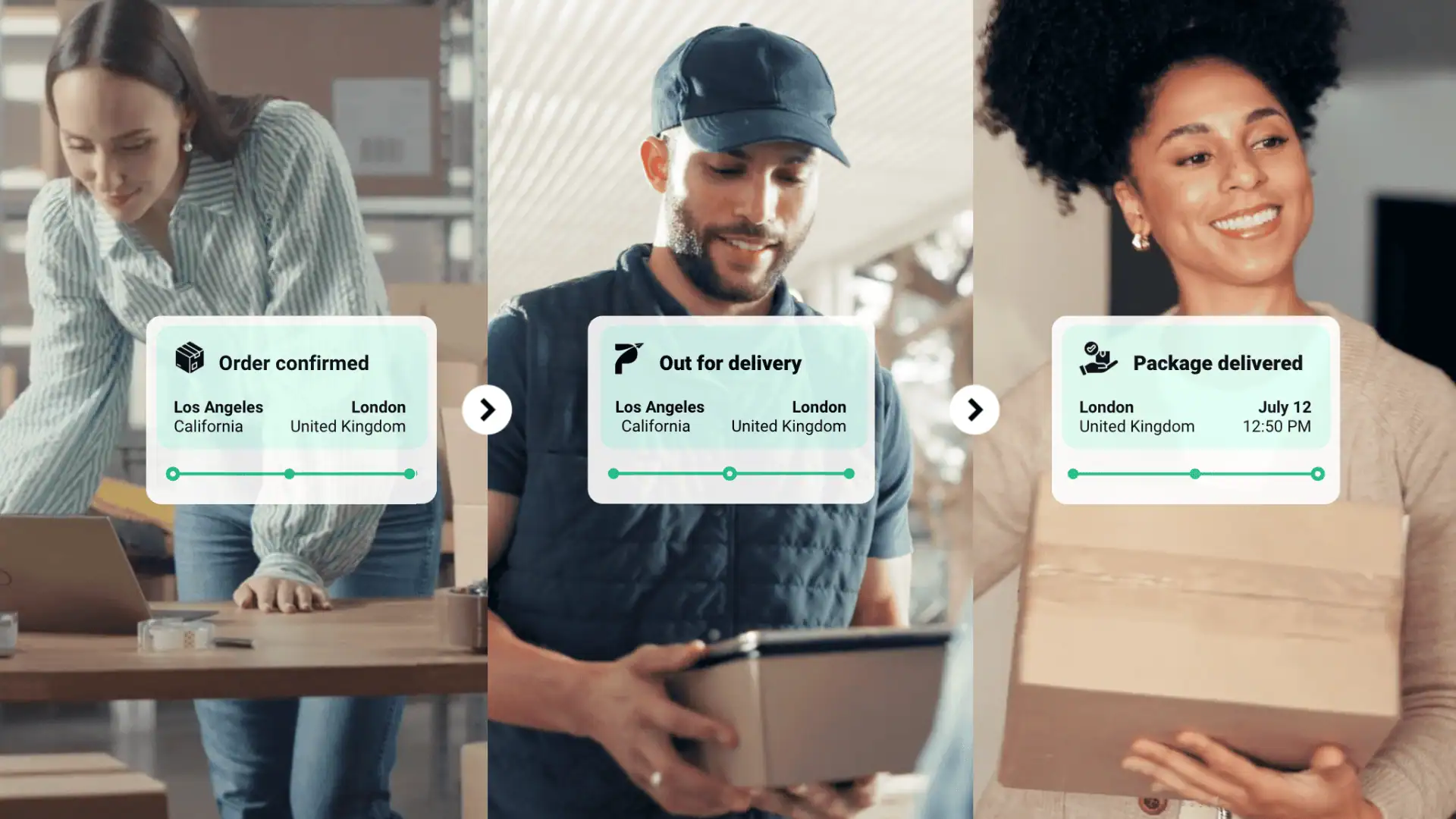
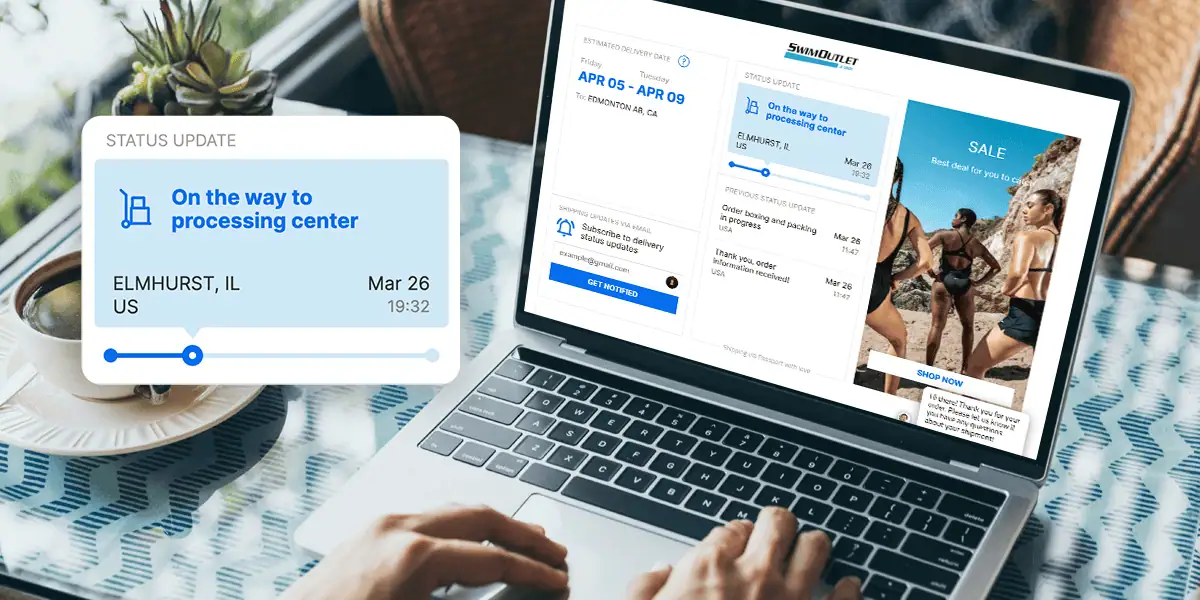
- How fast their order arrives
- Whether delivery feels predictable
- How easy it is to make a return
That experience determines whether they trust you, come back, and recommend you to others.
In other words, it determines whether your marketing actually works.
The Disconnect Between Ecommerce Marketing and Logistics
Here’s where most brands run into trouble.
They invest heavily in acquisition, but the post-purchase experience doesn’t keep up.
You see it in common issues:
- Surprise duties and taxes at checkout
- Delivery timelines that feel vague or inconsistent
- Poor cross-border experiences
- Returns that are harder than they should be
Marketing drives the click. Logistics decides if it was a good decision.
When ecommerce marketing and logistics aren’t aligned, performance suffers. Conversion drops, support tickets increase, and retention becomes harder to sustain.
Why Cross-Border Ecommerce Marketing Depends on Logistics
The challenge becomes even more obvious when brands expand internationally.
Global ecommerce introduces new layers of complexity:
- Duties and taxes that impact total cost
- Cross-border shipping variability
- Different expectations across markets
- Higher uncertainty for the customer
You can generate demand in new regions, but if the experience doesn’t match expectations, that demand won’t convert or scale.
This is where many cross-border ecommerce marketing strategies lose momentum.
Ecommerce Logistics Strategy as a Competitive Advantage
The most effective brands don’t treat logistics as an afterthought. They treat it as part of the product and a core part of their ecommerce marketing strategy.
That shows up in a few key ways:
- Transparent pricing: Showing full landed cost upfront
- Clear expectations: Providing accurate delivery timelines
- Intentional speed: Prioritizing fast shipping where it matters most
- Seamless returns: Making returns easy and predictable
These brands understand that customer experience is the foundation of performance. Marketing and logistics aren’t separate conversations, they’re part of the same system.
How Logistics Impacts Ecommerce Marketing Performance
Once your logistics experience is consistent, something changes.
You can scale your ecommerce marketing with confidence.
You start to see:
- More stable conversion rates across markets
- Fewer customer support issues tied to delivery
- Stronger repeat purchase behavior
- More efficient return rates
- Healthier unit economics
This is especially important for international growth. Instead of cautiously testing new markets, you can start investing in them with conviction.
A Real Example of Ecommerce Marketing and Logistics Alignment
We see this play out often.
Ogee, a clean beauty brand, is a good example. After improving their global logistics experience with Passport Global, they were able to unlock international marketing in a meaningful way:
“Passport allowed us to reach new international markets due to the ease and cost reduction of shipping to customers outside the US. This allowed us to start running ads internationally, which gave us a big boost in key markets. With Passport Global in place, we’ve proven that our next advertising dollar spent internationally is more impactful than in the U.S.”
The result was a 19x increase in ROAS in key markets.
Not because the ads changed, but because the experience behind them did.
What Ecommerce Marketing Leaders Need to Know About Logistics
You don’t need to own logistics. But you do need visibility into it.
Because it directly impacts:
- Conversion rates
- Customer trust
- Retention and repeat purchases
- Lifetime value
- How confidently you can scale acquisition
The brands that win won’t just be the best at getting attention. They’ll be the ones that consistently deliver on what they promise.
How to Align Marketing and Logistics for Better Ecommerce Growth
You don’t need to overhaul your org structure to make progress here. But you do need to close the gap between teams.
A few ways to start:
1. Get closer to operational discussions
Spend time in conversations around shipping performance, delivery issues, and returns. You’ll quickly see where customer experience breaks down.
2. Map the full ecommerce customer journey
Look beyond checkout. Evaluate what happens through delivery and returns, and identify where expectations don’t match reality.
3. Align marketing messaging with logistics capabilities
If you promote “fast” or “easy,” make sure that holds true across regions. Inconsistency is one of the fastest ways to lose trust.
4. Track ecommerce logistics and post-purchase metrics
Delivery times, return rates, support tickets, and repeat purchases all influence marketing outcomes. Treat them as core metrics.
5. Set shared goals across marketing and operations
Marketing and logistics teams should be aligned on conversion, retention, and customer experience. When those goals are shared, decisions get simpler.
The Future of Ecommerce Marketing and Logistics
We see a consistent pattern.
Brands come in with strong demand, but performance varies by market. Or acquisition works, but retention lags.
In many cases, the issue isn’t the marketing strategy. It’s the experience behind it.
The teams that improve fastest are the ones that bring ecommerce marketing and logistics together as part of a single growth engine.
The Bottom Line: Logistics Is Ecommerce Marketing
Your marketing doesn’t end when a customer clicks “buy.”
It ends when the experience delivers on what you promised.
Logistics is no longer just an operational function. It’s a core part of ecommerce marketing.
And when you get it right, it becomes one of the most powerful levers for sustainable, global growth.
Turn Your Logistics Into a Growth Lever
If you’re investing in ecommerce marketing but seeing inconsistent conversion, rising support issues, or stalled international growth, it’s worth taking a closer look at the experience behind the click.
That’s where we can help.
At Passport, we work with ecommerce brands to simplify cross-border logistics, improve the post-purchase experience, and make international growth more predictable.
From transparent landed costs to reliable delivery and streamlined returns, we help ensure your customer experience holds up across every market you serve.
If you’re exploring how to scale globally with more confidence, we’re happy to talk through what that could look like for your brand.

Authored by Casey Bright
VP of Marketing | Passport
Casey Bright, an accomplished marketing leader with 15+ years of experience, specializes in brand and demand building for B2B and B2C global companies. Proficient in go-to-market, inbound, and demand generation strategy, she collaborates with sales, product, and RevOps teams to fuel revenue growth. Previously at Flock Freight, Casey achieved over 3x acquisition growth. Her diverse experience includes roles at Coyote Logistics, USG, and agency work for global brands like John Deere.