

Sell and Deliver Like a Local, Without Adding Headcount

















































Lower Costs. Faster Delivery. Better Margins.
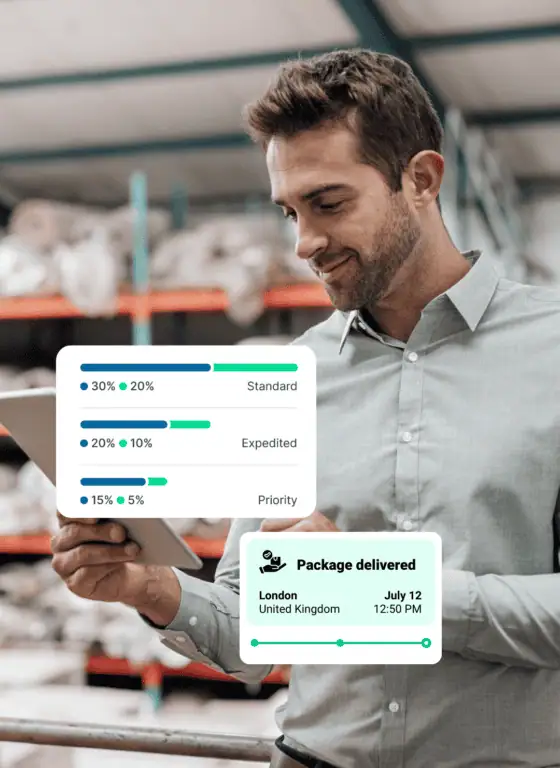
By placing inventory in-market before the sale, you avoid cross-border surcharges, reduce duties, and unlock significantly lower operational costs.
Where You Save
Lower Shipping Costs
Domestic delivery cuts transit times and eliminates many customs and cross-border fees.
Lower Payment Processing Fees
Local payment processing avoids conversion fees, saving 3–4% of order value.
Tariff & De Minimis Protection
Avoid tariff shifts and de minimis risk by moving away from cross-border DDP at scale.
Marketplace Access
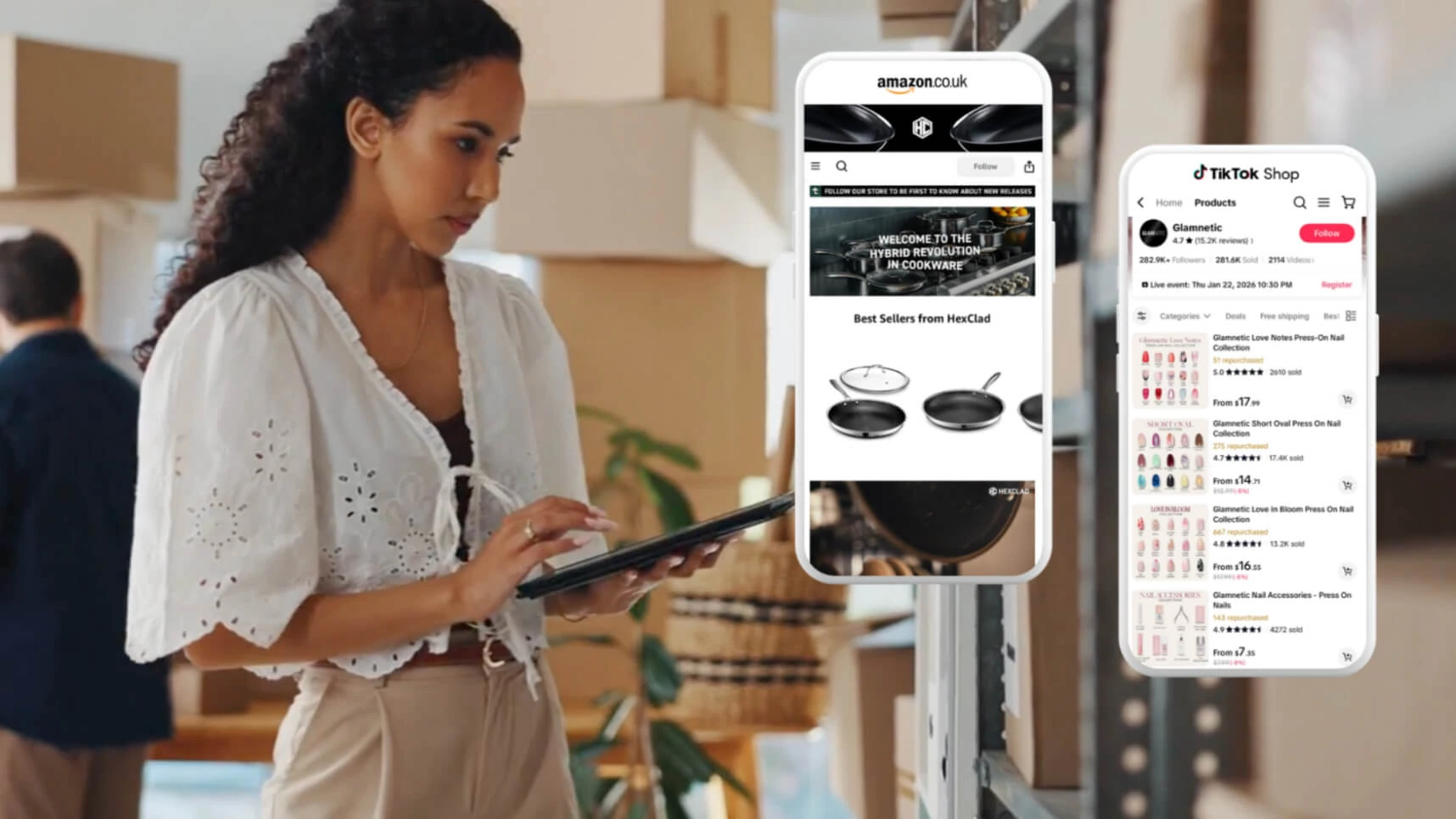
Platforms like Amazon and TikTok Shop require local fulfillment. Passport makes compliance easy. Learn more about Marketplace Management.

Localization That Grows Conversions
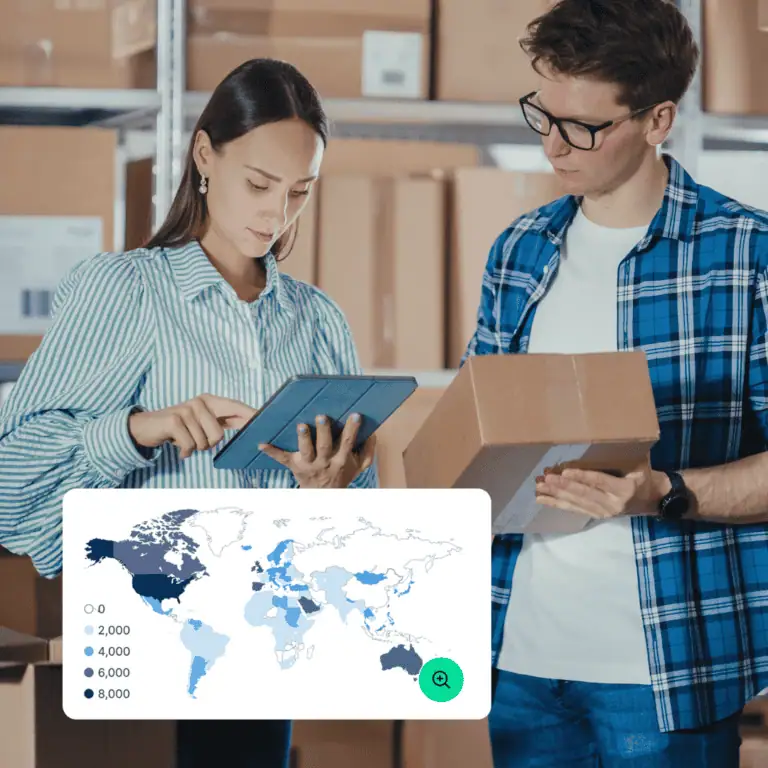
Say goodbye to abandoned carts. Passport personalizes your storefront for each market with the right currencies, duties, taxes and payment methods your global customers expect.
Shoppers get transparent pricing they understand.
You get higher conversion and stronger margins.
Your team gets time back.


Price products the way international shoppers expect using local currencies and all-in pricing that includes duties and taxes from the start.
Calculate landed costs with precision so the final price at checkout matches what customers pay at delivery.
Speed up checkout with familiar payment options and a frictionless buying experience tailored to each market.
Customize pricing and promotions by region to align with local demand, buying habits, and seasonal trends.
The Results


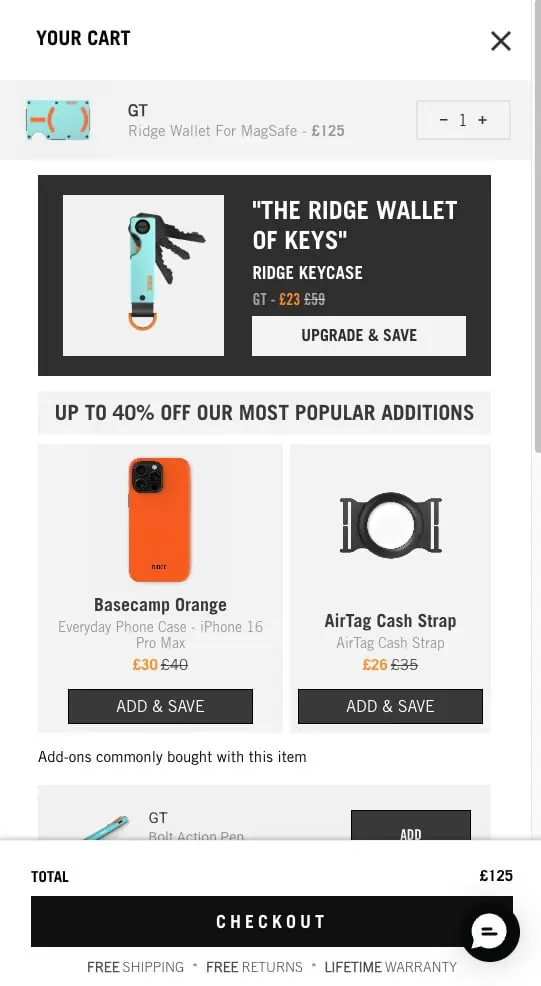
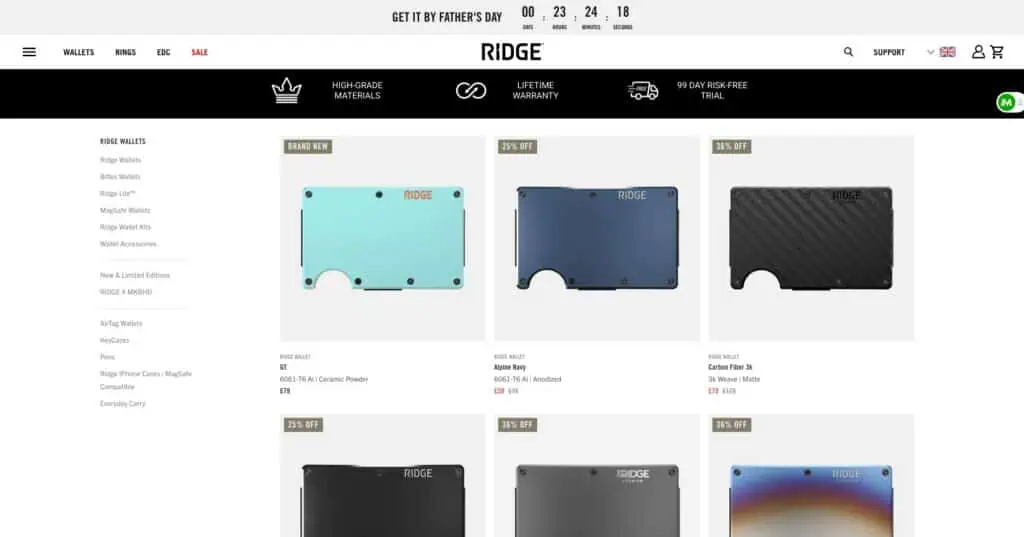
— Sean Frank | CEO | Ridge
Local Delivery, Without Building Local Operations
Passport Global manages freight, inventory, fulfillment, compliance, and returns—so you deliver locally without entities, tax registrations, or fragmented 3PLs from day one. Included with Passport Global In-Country Enablement:
Freight forwarding & inventory imports
Domestic and cross-border delivery
Local returns management
End-to-end 3PL oversight
Inventory optimization guidance
You deliver like a local. Passport handles the rest.


Market-Ready Compliance for Every Region
Passport Global manages the regulatory requirements of selling and fulfilling locally—so you expand without compliance risk or operational drag.
Merchant of Record
VAT deferment (UK & EU)
Importer of Record
Responsible Person, EPR, and EUDR support
Product testing & labeling guidance
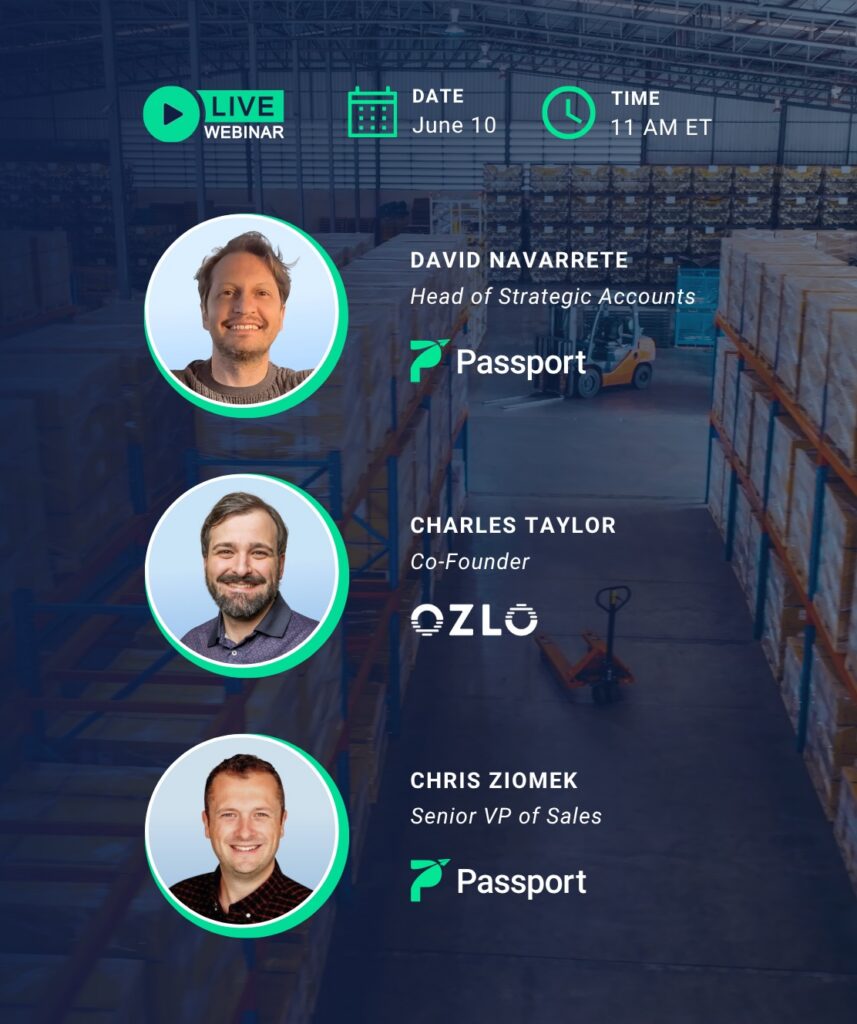
Beyond Cross-Border: The Hybrid Fulfillment Playbook
David Navarette – Head of Strategic Accounts, Passport; Charles Taylor – Co-Founder, Ozlo Sleep; Chris Ziomek – SVP, Sales, Passport
The Results


— Kasper Kubica | CEO, Carpe





Frequently Asked Questions
Passport currently supports In-Country Enablement for Canada, United Kingdom, United States, European Union, Australia and Mexico.
Passport acts as the Importer of Record as part of the In-Country Enablement solution.
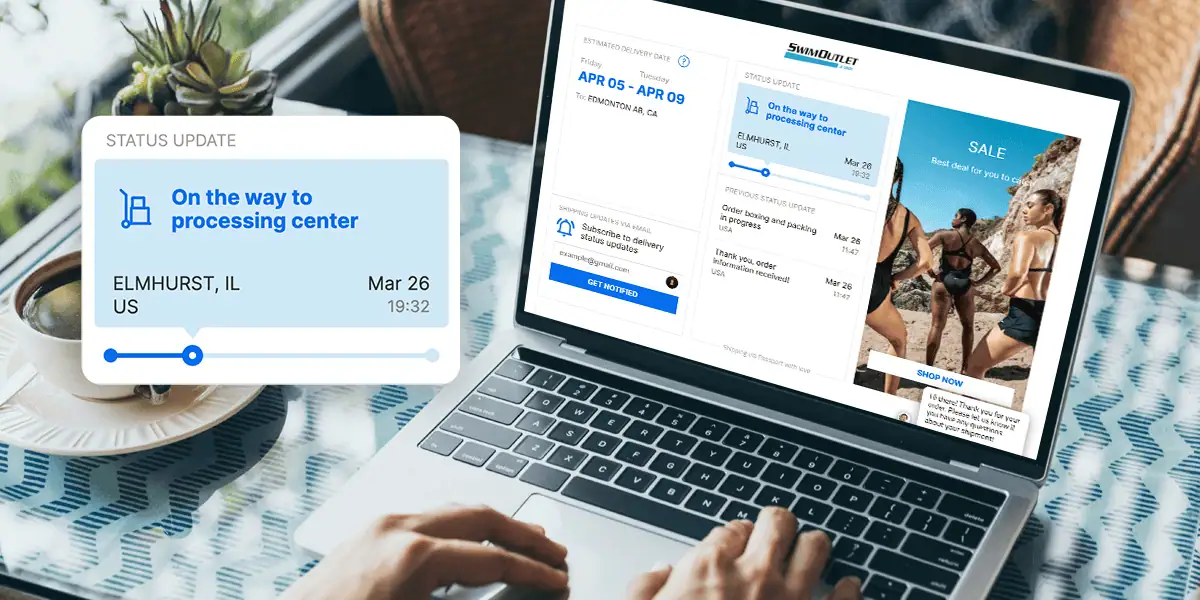
Localized pricing, transparent duties/taxes, market-specific offers and strategies, and trusted delivery timelines reduce friction and increase shopper confidence at checkout.
Yes. Passport handles HS codes, tax setup, documentation, and Responsible Person requirements, making new market launches significantly faster and less risky.
No. Passport integrates with Shopify, custom stacks, and major 3PLs, TMS, and OMS systems.
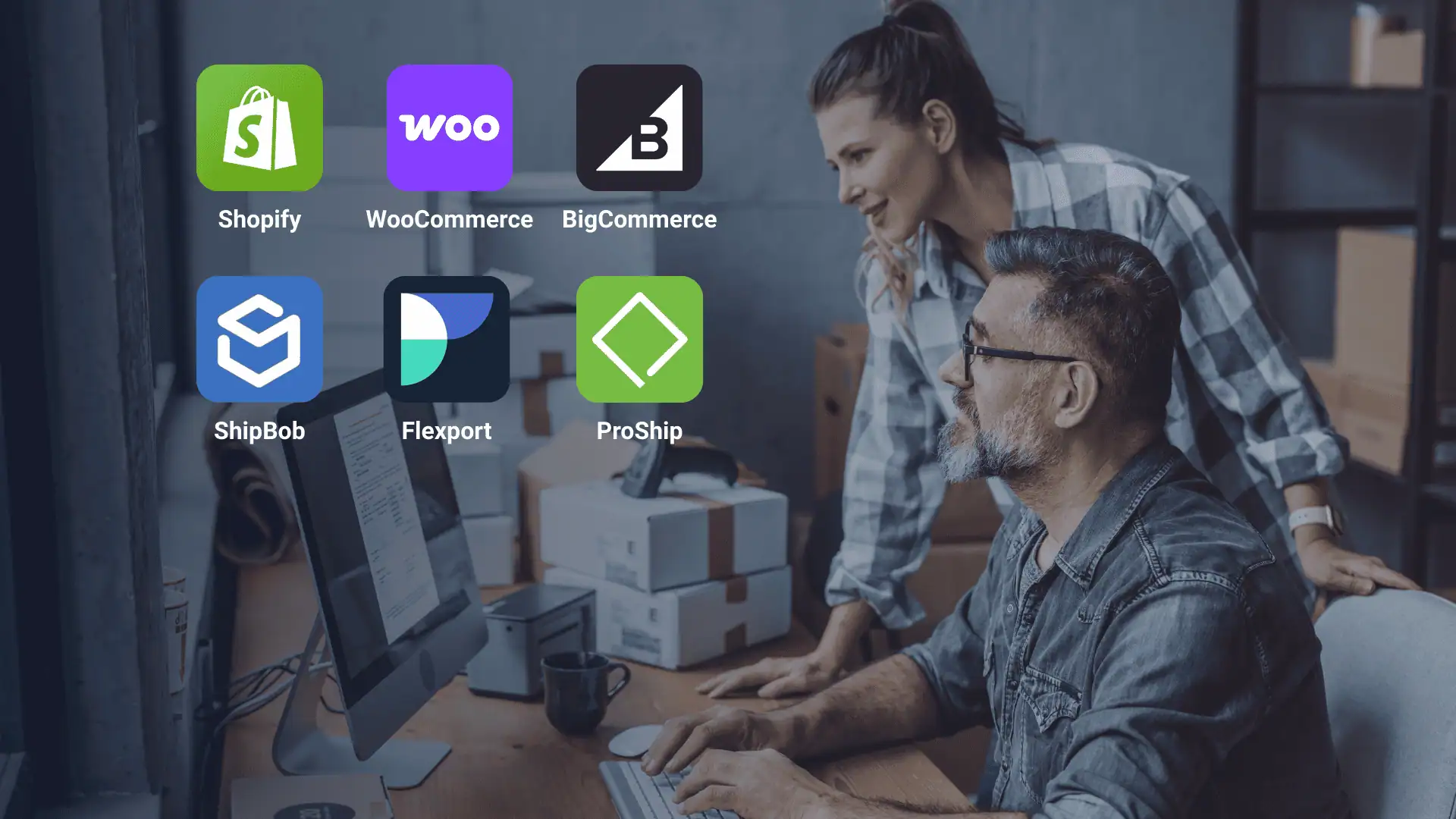
No. Passport supports Shopify, WooCommerce, BigCommerce, headless builds, and custom commerce platforms.
No. Passport’s model is designed for your brand to retain full ownership of its payments, data, and customer experience.
In-country (or local) fulfillment means storing inventory inside the country where your customers are shopping, allowing orders to ship domestically rather than internationally.
Local fulfillment can reduce shipping times, lower delivery costs, simplify returns, and create a more localized customer experience. It’s often the next step for brands that have established consistent demand in a specific international market.
Passport helps brands evaluate when local fulfillment makes financial and operational sense, while continuing to support cross-border shipping where it’s the better option.
For most ecommerce brands, cross-border shipping is the best place to start.
Cross-border shipping allows you to test international demand, enter new markets quickly, and grow global revenue without investing in inventory, warehouses, or local operations. As your order volume increases in a particular market, local fulfillment may become the more cost-effective option. Many brands begin with cross-border shipping and transition to local fulfillment only after demand has been proven.
Passport helps brands determine the right strategy based on their products, customers, and growth goals.
There’s no single threshold that works for every brand, but common signs it’s time to consider local fulfillment include:
- Strong and consistent order volume in a specific country or region
- Rising international shipping costs
- Increasing customer expectations for faster delivery
- High return volumes
- The need to reduce duties, transportation costs, or delivery times
- Plans to expand sales through local marketplaces or retail channels
Rather than making the switch too early, many brands use cross-border shipping to validate demand first, then move inventory closer to customers once the business case is clear.
Passport works with brands to evaluate the economics and determine when local fulfillment will deliver the greatest return on investment.
Yes. In fact, many of Passport’s customers use both.
Passport supports flexible international fulfillment strategies that combine cross-border shipping with local fulfillment where it makes the most sense. For example, a brand may continue shipping cross-border into emerging markets while using local fulfillment in countries where demand has grown large enough to justify local inventory.
This hybrid approach allows brands to expand internationally faster, optimize costs over time, and adapt their fulfillment strategy as their business grows—without rebuilding their global operations.
A hybrid fulfillment strategy combines cross-border shipping and local fulfillment to deliver the best customer experience while optimizing costs.
Rather than using the same fulfillment model everywhere, brands can ship cross-border into newer markets while fulfilling orders locally in countries where demand has reached the right scale. This provides the flexibility to enter markets quickly, improve delivery speeds, reduce shipping costs, and expand globally without overinvesting too early.
Passport helps brands build and manage hybrid fulfillment strategies that evolve alongside their international growth.