


Global ecommerce is entering its most complex — and most opportunity-rich — era yet. Tariff volatility, shifting de minimis rules, tightened VAT enforcement, and rising customer expectations have made international expansion a high-stakes operational challenge. What used to be a shipping decision is now a compliance, finance, and customer experience decision — all at once.
A Merchant of Record (MOR) model can help brands expand internationally by taking on key legal and financial responsibilities tied to cross-border transactions. And now, Passport offers Merchant of Record services for cross-border commerce — giving brands a more modern path to global growth with the infrastructure to support compliance, payments, and customer experience at scale.
In this guide, we’ll define what a Merchant of Record is, outline responsibilities, share examples, and explain how to evaluate the right model for your international expansion strategy.
Understanding Merchant of Record in Ecommerce
Leveraging a Merchant of Record model is commonly used in ecommerce to support global expansion efforts. By managing indirect tax compliance, an MOR enables companies to cross borders without the need for extensive knowledge of local laws or setting up multiple international subsidiaries.
MOR Definition:
A Merchant of Record (MOR) is the legal entity recognized as the seller in a transaction, responsible for handling all legal and financial aspects. This includes compliance with tax laws, managing payment processing, and resolving financial disputes. As an intermediary facilitating sales on behalf of other businesses, the MOR is listed on customer bank and credit card statements.
Merchant of Record Responsibilities
A Merchant of Record is responsible for three pivotal aspects of international ecommerce:
- Payment Processing – Controls the processing of customer payments and directly manages payment gateway operations.
- Tax Collection & Remittance – Oversees the collection, reporting, and remittance of relevant tax obligations and complies with local laws where products are sold.
- Financial Transactions – Handles all financial interactions with customers, including receipts, refunds, and disputes.
Transactional Roles
Even though international customers shop through your website, transactions are technically with the Merchant of Record, who manages legal and financial documentation without holding inventory. From a brand’s administrative perspective, the MOR is considered the buyer of your products. This arrangement typically gives the Merchant of Record control over your ecommerce store and first-party data, affecting transparency and the ability to make changes independently.
How a Merchant of Record Works
Let’s break down the process of a transaction under the Merchant of Record framework:
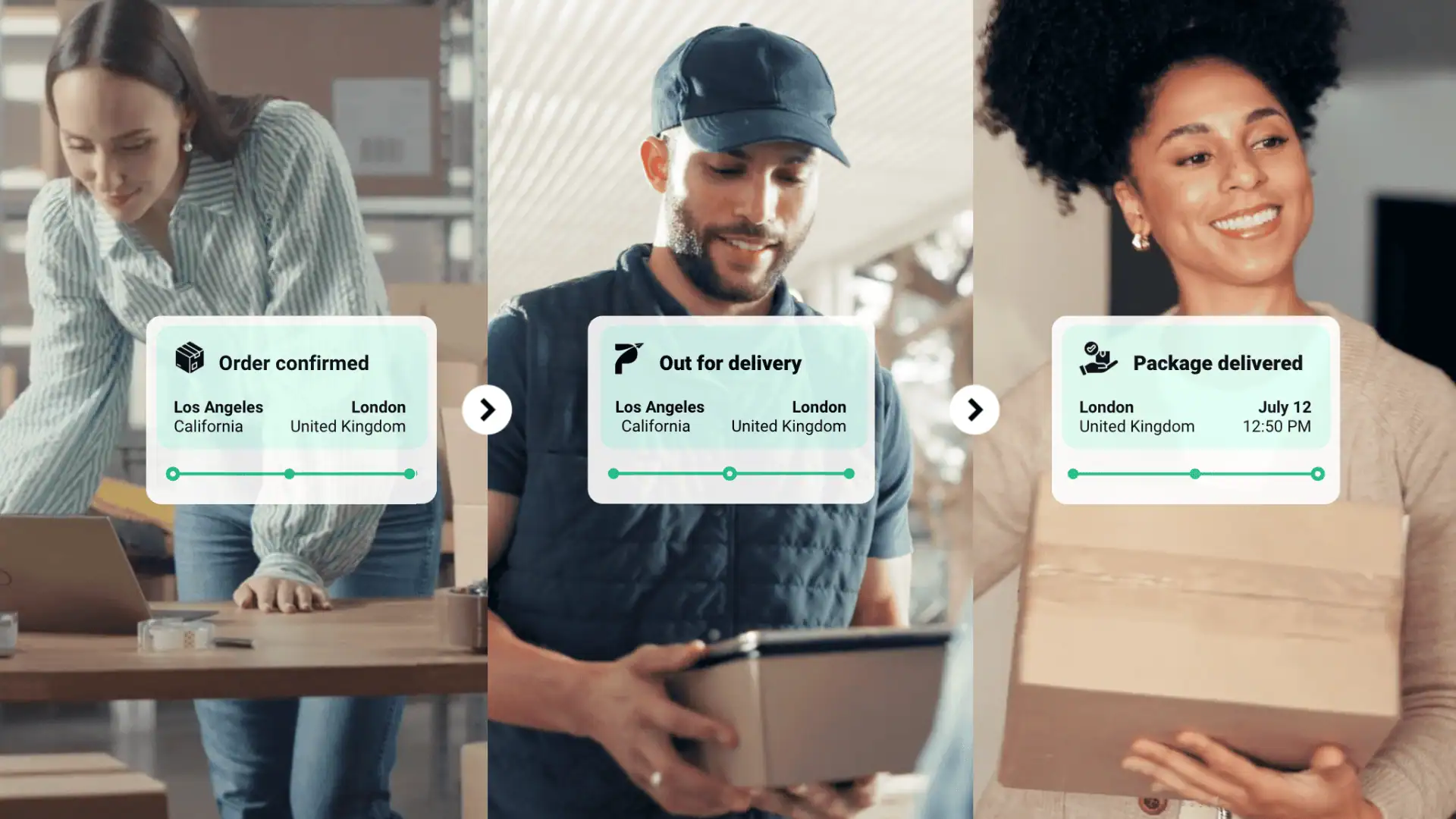
- Customer Purchase – A customer from another country makes a purchase on your website.
- Payment Processing – The MOR processes the payment, including the calculation and addition of all relevant taxes and duties, such as VAT or GST.
- Ownership Transfer – The MOR takes the title of the items, thus legally becoming the seller.
- Tax Management – The MOR handles all obligations related to tax returns and remittances with the appropriate authorities.
- Revenue Transfer – Once all deductions for taxes and fees are made, the MOR transfers the remaining revenue to your brand.
Passport Merchant of Record Services for Cross-Border Commerce
Passport offers Merchant of Record services to help ecommerce brands expand globally without taking on the full operational burden of payments and compliance in every market.
With Passport as your Merchant of Record, you can:
- Reduce operational risk by shifting key regulatory responsibilities to a trusted partner
- Simplify international selling while keeping the customer experience consistent
- Support faster market entry without building market-specific infrastructure from scratch
- Unlock greater savings with local payment processing and local currencies
Passport’s approach is designed for brands that want to grow internationally with more predictability — especially as global regulations and customer expectations evolve.
Tax Application & Distance Selling Thresholds
It’s important to note only about 10 of the 220 global markets have tax registration requirements that make outsourcing these responsibilities beneficial, as taxes are paid upon import in most regions. Additionally, adopting a Merchant of Record structure results in the immediate application of taxes since MORs assume ownership of all their clients’ sales volume. This means brands could potentially miss out on substantial savings in countries with distance selling thresholds.
To illustrate a Merchant of Record example, consider a US-based cosmetics company expanding into New Zealand. Local regulations require non-resident businesses to start collecting GST only after their annual sales exceed $60,000 NZD. Normally, imports valued under $1,000 NZD are exempt from the 15% GST until this sales threshold is reached. However, when using a Merchant of Record, the brand must collect the 15% GST from the start, regardless of whether order values fall below the exemption limit. This partnership relieves the burden of handling taxes directly but at a significant cost. On top of that, the cosmetics company faces delays in accessing funds and loses control over its store and data, as the MOR manages these aspects.
Considerations for a Merchant of Record Model
A Merchant of Record can be a powerful model for global expansion, but it’s not one-size-fits-all. Before choosing an MOR, brands should evaluate:
- Control and flexibility: Some MOR setups require deeper control over checkout, payments, or key store settings.
- Data transparency: Understand what visibility you’ll have into performance, payments, and customer experience.
- Cash flow timing: Depending on the structure, there may be delays between the customer transaction and funds received.
- Cost structure: MOR services are often bundled. The right fit depends on which responsibilities you truly need outsourced.
- Growth strategy: In certain markets, tax thresholds and registration rules may impact how and when taxes apply.
The best approach is to align your model to your expansion goals — whether you’re testing a new market, scaling aggressively, or optimizing for margin and control.
A Flexible Alternative for International Tax Compliance
For brands that want the benefits of compliance coverage without shifting payment control, a Seller of Record (SOR®) model can be a strong alternative.
With Passport Seller of Record®, brands keep their existing payment stack and customer transaction flow while Passport focuses on tax compliance and regulatory requirements. This model is often a fit for brands that want to preserve flexibility, maintain direct access to funds, and scale internationally with fewer operational tradeoffs.
To learn more about the advantages Passport Seller of Record™ offers ecommerce businesses and how it differs from a Merchant of Record, check out our in-depth comparison in this “Merchant of Record vs. Seller of Record” article.
Frequently Asked Questions:
What is a Merchant of Record (MOR)?
A Merchant of Record is the legal entity recognized as the seller for a transaction. The MOR is responsible for payment processing, tax compliance, and handling financial disputes such as refunds and chargebacks.
What does a Merchant of Record do in ecommerce?
In ecommerce, a MOR helps brands sell internationally by managing key legal and financial responsibilities tied to transactions, including taxes and payments, so brands can expand without setting up local entities in every market.
What are Merchant of Record responsibilities?
Typical MOR responsibilities include payment processing, collecting and remitting applicable taxes (like VAT/GST), issuing receipts, processing refunds, and managing disputes or chargebacks.
Is Merchant of Record the same as payment processing?
Not exactly. Payment processing is one component. A Merchant of Record is legally responsible for the transaction and typically oversees payments and tax compliance and financial disputes.
What is an example of a Merchant of Record?
A common example is a U.S.-based ecommerce brand selling into the UK or EU using an MOR to manage VAT, payments, and compliance requirements, reducing the need to build local legal and financial infrastructure.
What is the difference between Merchant of Record and Seller of Record?
A Merchant of Record is responsible for both the financial transaction (payments, refunds, disputes) and compliance obligations. A Seller of Record (SOR®) model focuses on compliance responsibilities while allowing brands to keep their own payment stack and customer transaction flow.
Does Passport offer Merchant of Record services?
Yes. Passport now offers Merchant of Record services for cross-border commerce, helping brands manage key compliance and financial responsibilities required for international selling.
How do I choose between MOR and SOR?
It depends on how much control you want over payments and checkout, your internal compliance resources, which markets you’re expanding into, and whether you prefer an all-in-one model or a more flexible approach.
Do all brands need a Merchant of Record to sell internationally?
No. Many brands can sell internationally without an MOR depending on the markets they serve, their operating model, and whether they need help with tax registration, payments, or compliance responsibilities.