




A practical guide for fast-growing ecommerce brands
You’ve started seeing it: new website traffic from other countries, the occasional “Do you ship to ____?” message, maybe even a few one-off international orders you’ve fulfilled through DHL or FedEx.
That’s your signal — your brand is ready to start thinking beyond borders.
But when’s the right time to actually scale internationally? And what’s the best way to do it without overcomplicating your operations?
Let’s break it down.
1. Signs your brand is ready to scale globally
Here are the most common indicators that it’s time to take international seriously:
☑ Consistent international website traffic: You’re seeing recurring sessions, not one-offs, from outside your home country.
☑ Manual fulfillment pain: Shipping cross-border yourself is slow, costly, and full of customs paperwork.
☑ Domestic growth is flattening: You’re hitting market saturation or rising customer acquisition costs at home.
☑ Strong operational foundation: Your fulfillment, inventory, and marketing teams are stable and ready to take on more.
☑ Inbound interest from new regions: You’re getting organic signals of demand — now it’s time to meet it efficiently.
These aren’t just coincidences. They’re data-backed signs your next growth phase is global.
2. Why going global is a growth multiplier
International expansion isn’t just about more customers — it’s about better customers.
• Larger total addressable market: Global ecommerce sales are projected to surpass $6.3 trillion in 2025.
• Higher average order values: Cross-border shoppers typically spend 10–20% more per order than domestic ones.
• Greater profitability: International customers often purchase multiple items per transaction to offset shipping costs.
• Diversified revenue streams: Expanding into new regions helps protect your brand from domestic slowdowns or seasonal dips.
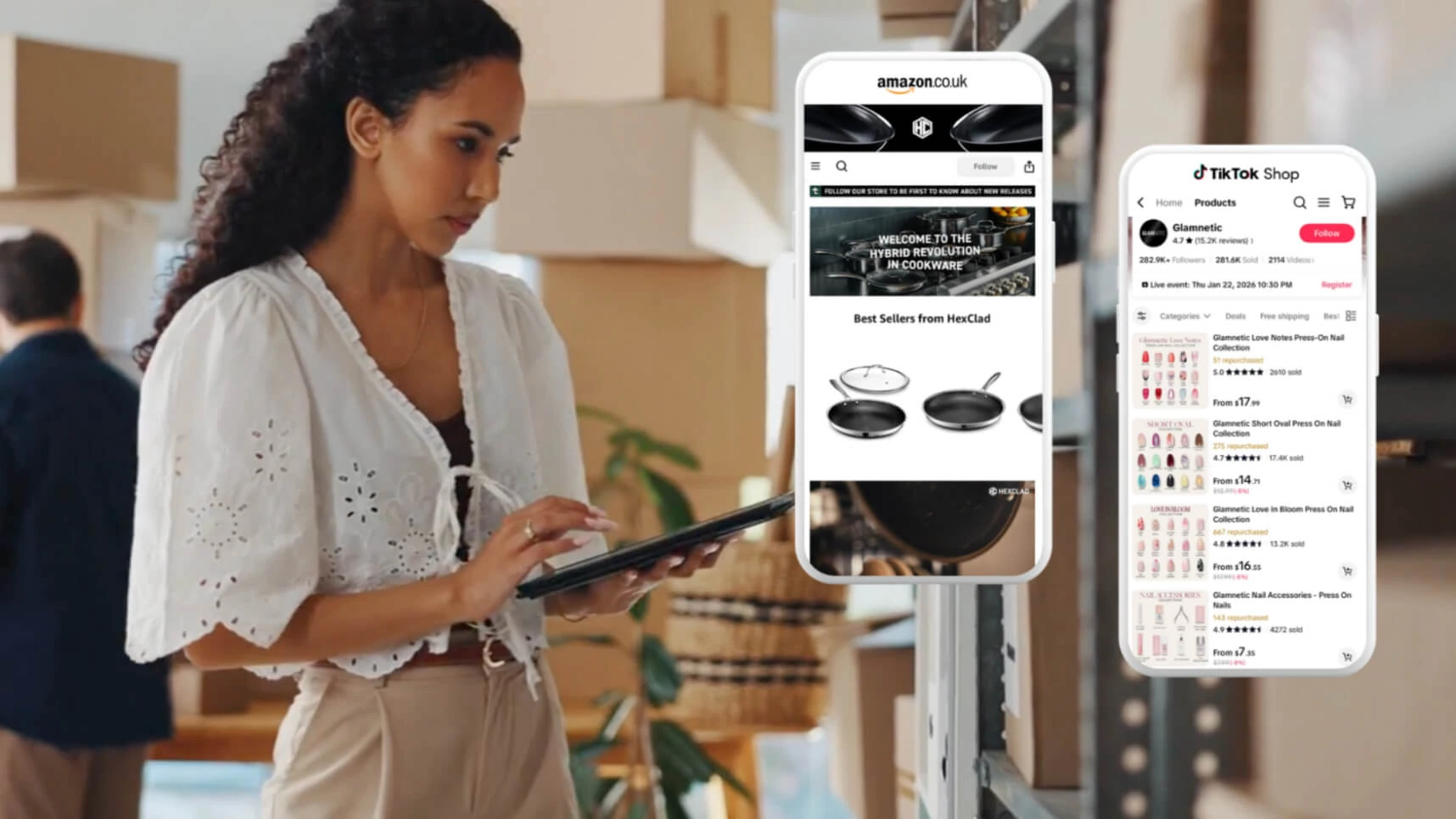
We’ve seen this firsthand with brands like Ogee, OneSkin, Carpe, and The Wander Club, all of whom scaled profitably by moving from one-off international shipments to a full, localized cross-border strategy with Passport.

3. The best markets to start with
You don’t need to launch in 20 countries. Start where the barriers are lowest:
Same-language markets:
• U.S. → Canada, U.K., Australia
• U.K. → U.S., Canada, Australia
Easier customer communication and less localization work.
Neighboring or trade-friendly markets:
• U.S. → Canada, Mexico
• U.K. → EU countries
Leveraging existing trade agreements simplifies logistics and taxes.
High-potential test markets:
• Pick one region to pilot — measure conversion, delivery times, and ROI — then scale gradually through targeted digital marketing.
4. How to make international scaling simple
It’s normal to feel overwhelmed by customs, duties, or localized pricing. But with the right partner, it becomes manageable.
Partner with experts
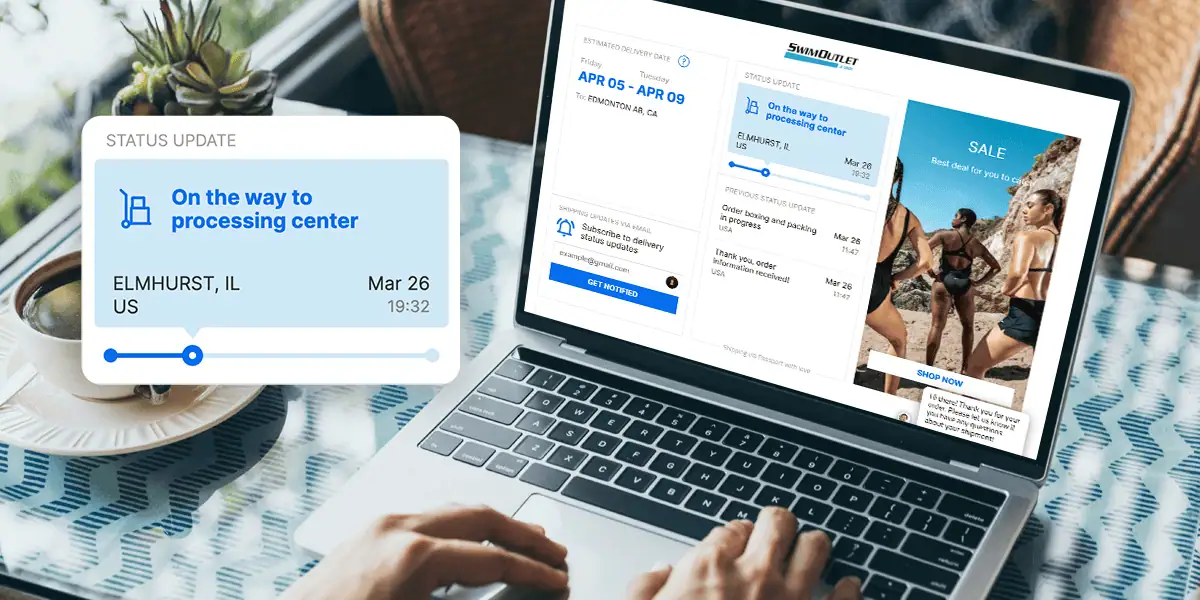
Work with a trusted cross-border provider (like Passport) that manages store localization, shipping, customs, duties, and compliance end-to-end — freeing you to focus on marketing and product.
Localize your storefront experience
• Display the right language, currency, payment methods and tax-inclusive prices
• Offer reliable international shipping methods
• Show local payment options (and translate content if needed)
Tip: If you don’t know where to start, Passport can help you optimize your store experience based on what we’ve seen work best for the thousands of brands we work with.
Start small with marketing
• Retarget existing international visitors
• Test global lookalike audiences
• Run low-budget paid ads in your test markets
• Optimize SEO for new country keywords
With the right infrastructure, you can move fast — and profitably.

5. How to measure success
You’ll know your global strategy is working when:
• International sales grow from 0 → 10%+ of total revenue within 6–12 months
• You achieve comparable or better CAC-to-LTV ratios in new markets
• Operations (shipping, returns, compliance) run smoothly
• You see repeat international customers returning for more
Once those metrics hold steady, it’s time to double down.
6. Final thoughts
There’s never a “perfect” time to go global — but there are right times.
If you’re seeing international demand, feeling the operational friction of DIY shipping, and wanting to diversify growth, that time is now.
With the right partner, you can make going global not only seamless — but scalable.
At Passport, we’ve helped brands like Ogee, OneSkin, and Carpe unlock global growth with ease. Ready to explore what that could look like for you?
Talk to our team to start your international growth journey.