

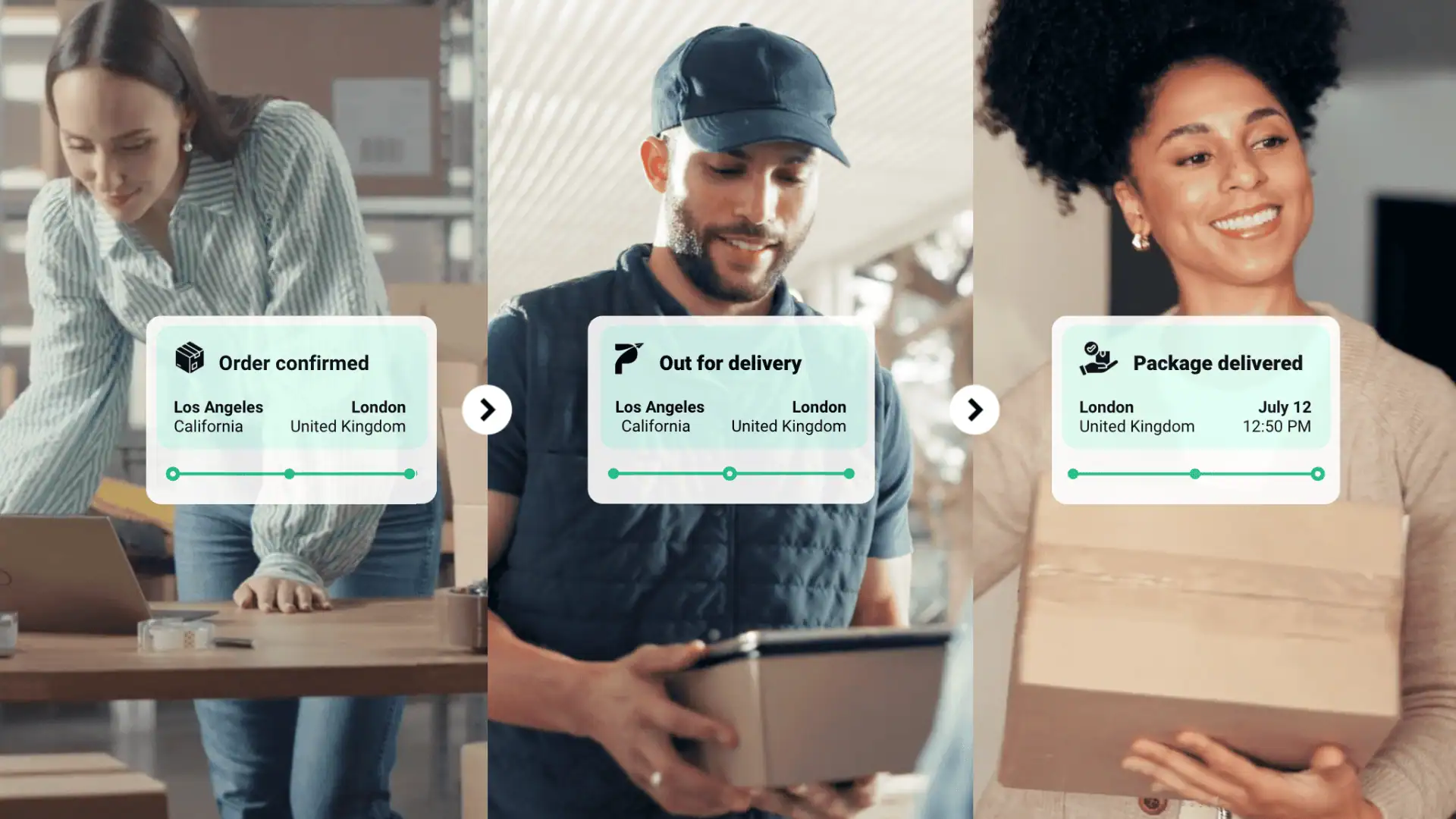



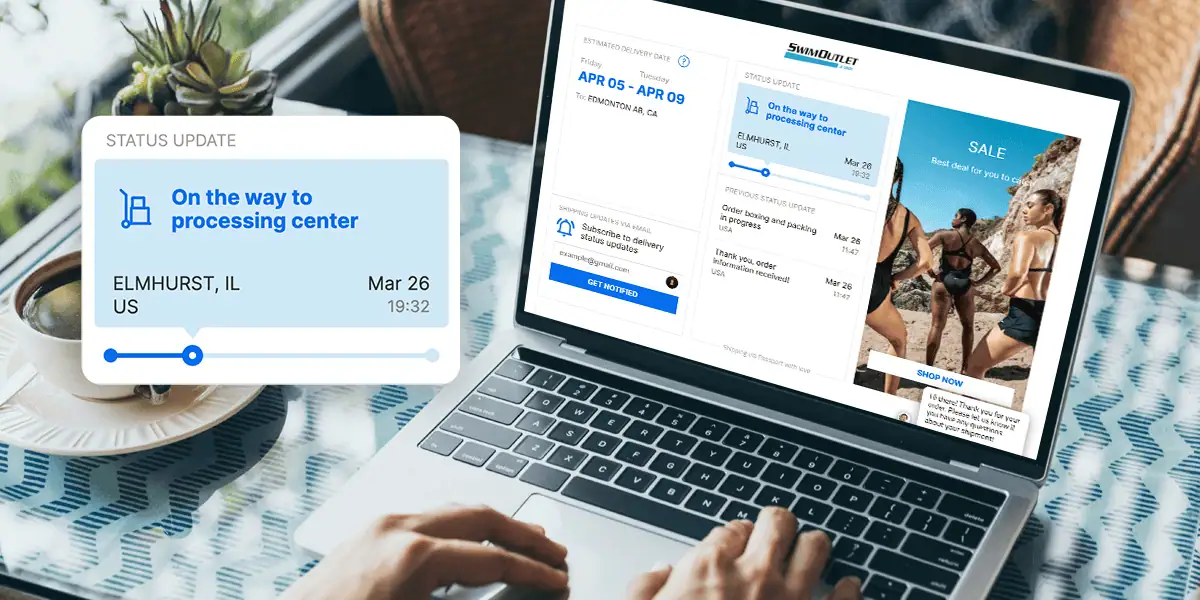

If shoppers don’t see the full cost upfront, they’re often surprised with additional fees at delivery, leading to failed deliveries, refunds, and lost revenue.
This is where landed cost becomes critical.
For e-commerce brands selling internationally, landed cost determines the true price of delivering a product to a customer, including shipping, duties, and taxes. Getting this right is essential for pricing, conversion rates, and customer experience.
Landed Cost in Ecommerce: Key Takeaways
- Landed cost is the total cost of delivering a product internationally, including duties and taxes
- Unexpected fees at delivery are a leading cause of cart abandonment
- Showing landed cost at checkout improves conversion rates and customer trust
- Accurate calculations are essential for pricing strategy and compliance
Many brands use landed cost solutions to automate duties and tax calculations
What Is Landed Cost in Ecommerce?
Landed cost refers to the total expenses of delivering a product from your brand to the end consumer, including the initial purchase price, shipping fees, and any charges imposed by the destination country, such as customs duties and taxes.
In cross-border ecommerce, landed cost represents the total price a customer pays—not just the product price listed on your site.
This comprehensive figure is essential for setting appropriate prices and ensuring transparency with consumers.
How to Calculate Landed Cost:
To calculate landed cost in ecommerce, you need to account for all costs associated with delivering a product internationally
Calculating the landed cost for international shipping involves summing up the product’s price, shipping costs, customs duties and taxes, and any other fees that may apply until the shipment is delivered.
Landed Cost Formula
Landed Cost = Product Price + Shipping + Duties + Taxes + Additional Fees
Landed Cost Example
- Product Price – $50
- Shipping Cost – $10
- Duties & Taxes – $5
- Total Landed Cost = $65 (product + shipping + duties/taxes)
In this example, the total landed cost is determined by adding together the product price ($50), shipping cost ($10), and duties and taxes ($5), resulting in a total of $65.
What Impacts Landed Cost?
Landed cost is not fixed—it varies based on several factors:
- Destination country (tax rates and regulations)
- Product classification (HS code)
- Country of origin (affects duty rates and trade agreements)
- Order value (impacts de minimis thresholds)
Even small changes in these variables can significantly impact the final cost.
Why Landed Cost Matters in Global Ecommerce
In the competitive landscape of global ecommerce, transparency and accuracy in calculating landed costs are key to overcoming market challenges and boosting international revenue. When costs are calculated incorrectly, customers may encounter unexpected fees at delivery, which can lead to frustration, refused shipments, and a negative brand experience. In addition, errors in duties and taxes can cause shipments to be delayed at customs, slowing down delivery times and increasing operational complexity.
Unexpected costs can lead to abandoned carts, while underestimating duties and taxes can erode profit margins. For these reasons, many ecommerce brands rely on automated solutions that calculate duties and taxes in real time at checkout, ensuring pricing transparency and a smoother customer experience.Here, we’ll explore the top benefits of effectively managing these costs in cross-border transactions.
Benefits of Landed Cost for Global Transactions:
- Improved Customer Experience: Transparency throughout the checkout process is crucial for creating a smooth customer experience. Displaying the landed cost ensures buyers understand all expenses upfront and builds trust by eliminating hidden fees and extra charges upon delivery. This approach not only enhances consumer satisfaction but also fosters loyalty and encourages repeat business, which contributes to a brand’s overall growth and positive reputation.
- Increased Conversion Rates: High shipping costs, along with unexpected duties, taxes, or additional fees, rank as leading factors for cart abandonment in global ecommerce. Integrating landed cost into the total price presented at checkout allows businesses to avoid any surprise costs. This significantly reduces the likelihood of customers leaving your site without completing their purchase, leading to higher conversion rates.
- Compliance & Customs Efficiency: Proper calculation of landed cost ensures that all duties and taxes are accurately accounted for, supporting compliance with international trade regulations. This efficiency in handling customs requirements not only reduces delays and potential penalties but also enhances the customer experience by enabling quicker delivery.
- Enhanced Pricing Strategy: Precise calculation of landed costs allows ecommerce brands to set prices that truly reflect the total cost of delivering products to international customers. This accuracy not only ensures businesses maintain healthy profit margins but also guards against surprise fees, keeping pricing competitive and predictable in the global market.
- Strategic Market Selection: Understanding landed costs across various markets empowers brands to make informed decisions on market entry and product offerings. This strategic insight helps identify markets with higher profitability and lower barriers to entry.
Overlooking the importance of landed costs can lead to significant challenges in international shipping, where inaccurate calculations might result in underpricing products, reducing profit margins, or overpricing, which could deter potential buyers. Additionally, a lack of transparency in costs can negatively impact the customer experience, leading to decreased sales and hindered growth.
Best Landed Cost Solutions for DTC Brands
Not all landed cost solutions offer the same level of accuracy or control. While some tools provide basic estimates, more advanced solutions ensure that duties and taxes are calculated precisely and collected upfront, so customers aren’t surprised with additional charges at delivery.Choosing the best solution for global shipping involves more than just accuracy. Other important factors to consider are the ability to apply reduced rates for qualifying products, like nutritional supplements, and the capability to account for compliance documentation that can lower or eliminate duties and taxes, such as those provided by preferential tariff agreements. Additionally, it’s crucial to monitor selling thresholds in specific markets to ensure taxes are only paid when necessary.
Key capabilities to look for include:
- Real-time duty and tax calculation based on product type, origin, and destination
- Support for preferential tariff agreements to reduce or eliminate duties where applicable
- Accurate product classification (HS codes) to avoid overpaying or delays at customs
- Threshold monitoring to ensure taxes are only applied when required
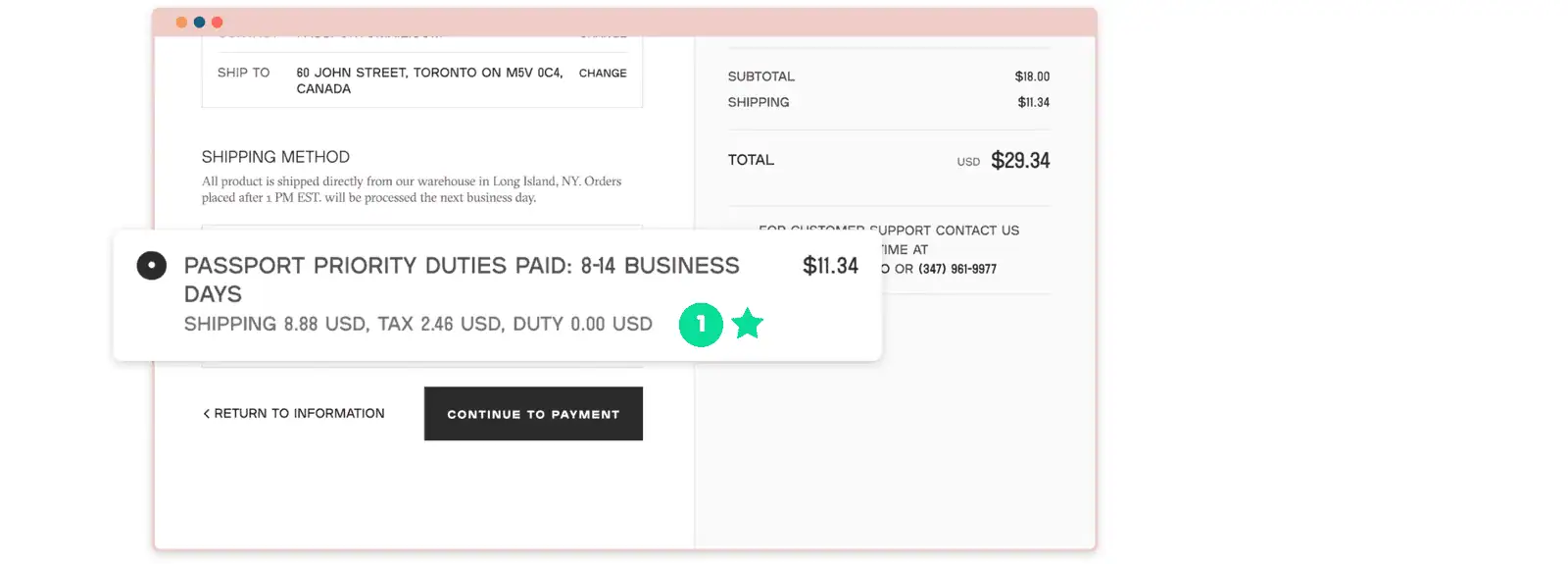
- Checkout integration to display full landed cost and improve transparency
How Passport Simplifies Landed Cost for Global Ecommerce
As an international solutions provider, Passport® delivers these services and more, combining innovative technology with an extensive shipping network and in-house expertise. Our easy-to-integrate software makes it simple for DTC brands to implement accurate landed-cost pricing, providing buyers with a transparent cost breakdown at checkout.
With Passport, brands can:
- Display fully landed cost at checkout, including duties and taxes
- Ensure accurate calculations in real time
- Reduce the risk of customs delays and unexpected fees
- Maintain control over their customer experience and pricing strategy
For an all-in-one internationalization tool, Passport Global™ even includes localization, growth advisory, and compliance services, enabling businesses to adjust their strategies for various markets and effortlessly navigate import regulations. Ready to streamline your global operations with Passport’s landed-cost solutions?
Reach out to our team here to get started.

Authored by Thomas Taggart
Head of Global Trade | Passport
Thomas Taggart is a cross-border commerce leader with more than 20 years of experience in international shipping and regulatory affairs. As the Head of Global Trade, Thomas helps ecommerce brands go global by simplifying international trade, tax, and product compliance issues. Prior to Passport, he brought international shipping solutions to market through multiple roles in UPS’s product development organization.
Frequently Asked Questions
What is landed cost in ecommerce?
Landed cost in ecommerce refers to the total cost of delivering a product to the end customer, including the product price, shipping fees, duties, taxes, and any additional import-related charges.
How do you calculate landed cost?
Landed cost is calculated using this formula:
Landed Cost = Product Price + Shipping + Duties + Taxes + Additional Fees
This represents the full amount a customer pays to receive an order internationally.
What is included in landed cost?
Landed cost typically includes:
- Product price
- Shipping and handling fees
- Customs duties
- VAT or GST
- Any additional import or clearance fees
How are duties calculated for landed cost?
Duties are calculated based on the product’s declared value, country of origin, and HS (Harmonized System) code, which determines the applicable duty rate. Accurate classification is essential to avoid overpaying duties or causing customs delays.
Why is landed cost important in ecommerce?
Landed cost is important because it impacts pricing, customer experience, and conversion rates. Showing the full cost upfront helps avoid unexpected fees at delivery, reducing cart abandonment and improving trust.
What happens if landed cost is not calculated correctly?
If landed cost is inaccurate, customers may face unexpected charges at delivery, shipments can be delayed at customs, and businesses risk losing sales or reducing profit margins.
Should ecommerce brands show landed cost at checkout?
Yes. Displaying landed cost at checkout improves transparency, reduces surprises at delivery, and can significantly increase conversion rates for international orders.