




In today’s global marketplace, Canadian shoppers are increasingly turning to cross-border online shopping for a wider range of products. However, concerns about shipping options and transparency often deter them from making purchases. As an e-commerce retailer, it is crucial to address these concerns head-on and create trust with your Canadian customers. In this blog post, we will explore key strategies for fostering transparency and meeting the expectations of Canadian shoppers.
1. Be upfront about cost: Uncertainty regarding additional costs such as duties, taxes, and brokerage fees is a significant deterrent for Canadian shoppers. By providing clear information about the total landed cost of a purchase, you empower shoppers to make informed decisions confidently. While some brands may worry that displaying the full cost at checkout could dissuade potential buyers, anecdotal evidence suggests that it mainly deters casual shoppers. Furthermore, this upfront transparency can reduce the volume of returns and customer complaints.
Furthermore, utilizing an upfront Delivered Duty Paid (DDP) Shipping Strategy can drastically reduce the volume of returns and customer complaints.
2. Avoid customs delays: The Canada Border Services Agency (CBSA) is highly vigilant about ensuring compliance with tariff and safety regulations. This is particularly critical under Canada’s digitized CBSA Assessment and Revenue Management (CARM) system. To ensure smooth customs clearance and prevent border holds, keep these three elements accurate:
- HS Codes: Including a valid 10-digit Harmonized System (HS) code on your shipments’ labels helps customs authorities immediately understand the nature of your products, applicable import regulations, and precise duty rates. Setting up proper HS Code Product Classification prevents unnecessary package inspections.
- Commodity Descriptions: Providing a detailed, plain-language description further clarifies the contents of your shipment. Consistency between the HS code and the commodity description acts as a positive indicator for customs officials. Avoid relying solely on internal store marketing or generic names. For a deeper look at this, review how Inaccurate Product Descriptions Cause Customs Delays.
- Accurate Valuations: You must declare the actual price paid for the products on the shipping label. Undervaluing orders to artificially reduce duty and tax payments raises immediate red flags and is illegal. Maintaining consistent accuracy demonstrates your commitment to compliance and builds trust with border authorities. For unique scenarios like discounts or promotions, consult the master guide on Accurate Customs Valuation Methodologies.
3. Proactively resolve common shipping issues: Despite your best efforts, shipping issues can arise during the fulfillment process. To provide exceptional customer service and mitigate potential problems, consider the following measures:
- Package insurance: Many carriers offer affordable insurance options, enabling you to protect your customers’ orders. Investing in package insurance, even at a nominal cost, demonstrates your commitment to ensuring that lost or damaged packages are promptly addressed.
- Customer contact info: To facilitate smooth delivery and resolve any issues that may arise, provide the carrier with your customers’ contact information, such as email or phone numbers. This enables direct communication and helps address delivery concerns efficiently.
Creating trust and transparency is vital when catering to Canadian shoppers’ expectations for shipping options. By being upfront about costs, avoiding customs delays, and proactively resolving shipping issues, you can foster a positive customer experience and build long-term relationships with your Canadian customers. Embracing these strategies will not only enhance customer satisfaction but also contribute to your brand’s reputation and success in the Canadian market.
Canada shipping transparency checklist
Before selling to Canadian customers, review your shipping experience from the shopper’s perspective.
Ask:
- Can customers see the full landed cost before purchase?
- Is it clear whether duties and taxes are included?
- Are delivery estimates realistic?
- Does tracking continue after the package enters Canada?
- Are HS codes assigned at the SKU level?
- Are commodity descriptions specific and customs-friendly?
- Are declared values accurate?
- Are restricted products blocked from checkout?
- Does the carrier have enough customer contact information to resolve delivery issues?
- Is your support team prepared to answer Canada-specific shipping questions?
- Does your shipping policy explain duties, taxes, customs, delivery, and returns?
If the answer to any of these questions is no, customers may experience uncertainty. And uncertainty is one of the biggest barriers to cross-border conversion.
How Passport can help
Canadian shoppers want the same things all ecommerce customers want: clear pricing, reliable delivery, accurate tracking, and responsive support. The difference is that cross-border shipping adds extra layers of complexity, including duties, taxes, customs clearance, product classification, and import requirements.
Passport helps ecommerce brands simplify that experience.
If you are expanding into Canada or trying to improve your current cross-border shipping experience, Passport can help you build a more transparent, reliable, and customer-friendly program.
Our team of compliance experts are available to guide you through the Canadian market and answer any additional questions you have about their tax system. Simply reach out to us here to get started.
Check out our deep-dive articles below to keep your cross-border strategy scaling smoothly:
US Merchants Shipping to Canada: How CARM Impacts You
Canadian Tariffs on U.S. Goods: Understanding Import Costs for Ecommerce Brands
Are Your Products Allowed in Canada? How to Check Before Checkout
Canada NRI Shipping: What DTC Merchants Should Consider
How to Ship Supplements to Canada: Regulations, NPNs & Import Rules
Canada HST/GST Explained: A Guide for US E-Commerce Brands
Frequently asked questions
Do Canadian shoppers have to pay duties and taxes on international orders?
Often, yes. Canadian shoppers may be responsible for duties, taxes, brokerage fees, or other import-related charges when buying from international brands. The exact amount depends on the product, value, country of origin, shipping method, and how the merchant handles duties and taxes at checkout.
Brands can improve the customer experience by showing duties and taxes upfront whenever possible, instead of leaving customers to pay surprise charges at delivery.
What is the difference between DDP and DDU shipping?
DDP stands for Delivered Duty Paid. With DDP, duties and taxes are collected at checkout, so the customer should not receive a separate bill when the package arrives.
DDU stands for Delivered Duty Unpaid. With DDU, duties, taxes, brokerage fees, or other import charges may be collected from the customer after the package reaches Canada.
For Canadian shoppers, DDP is usually the clearer experience because the full cost is shown before purchase.
Why do Canadian customers abandon checkout when shipping internationally?
Canadian shoppers may abandon checkout if they are unsure about the final cost, delivery timeline, customs charges, or return process. Cross-border shopping can feel risky when duties, taxes, brokerage fees, and tracking details are unclear.
Brands can reduce hesitation by showing total landed cost, setting realistic delivery expectations, explaining duties and taxes, and making the Canada shipping policy easy to find.
How can ecommerce brands avoid customs delays when shipping to Canada?
Brands can reduce avoidable customs delays by using accurate HS codes, clear commodity descriptions, correct country-of-origin details, and accurate declared values. Shipment data should match the order record and commercial invoice.
Vague product descriptions, missing HS codes, undervalued shipments, or inconsistent customs information can increase the chance of delays or inspections.
What is a good commodity description for Canadian customs?
A good commodity description is specific, plain-language, and easy for customs officials to understand. It should describe what the item is, not just use the brand’s product name.
For example, “facial skincare set with cleanser and moisturizer” is clearer than “Glow Kit.” “Ground roasted coffee” is clearer than “Signature Blend.”
Should brands show duties and taxes at checkout?
Yes, when possible. Showing duties and taxes at checkout helps Canadian shoppers understand the full cost before they buy. This reduces surprise fees, refused deliveries, customer complaints, and support tickets.
Some shoppers may be discouraged by the total cost, but those shoppers are less likely to become frustrated later because of unexpected import charges.
What should a Canada shipping policy include?
A Canada shipping policy should explain whether duties and taxes are included, available shipping methods, estimated delivery windows, tracking details, customs delays, product restrictions, return rules, and who pays any duties, taxes, or shipping costs on returns.
The policy should be easy to access from the product page, cart, checkout, order confirmation email, and tracking page.
Why is tracking important for Canadian orders?
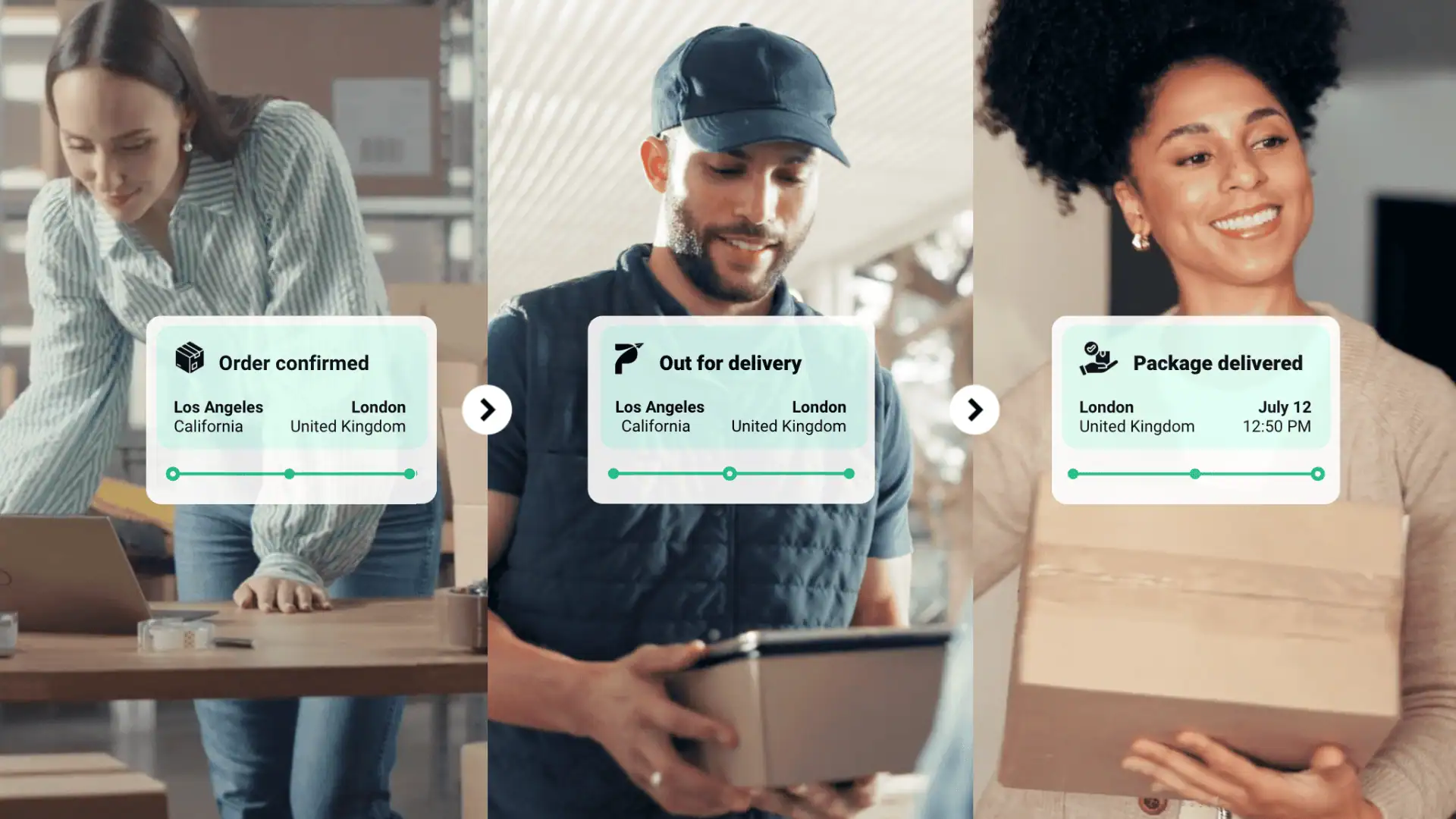
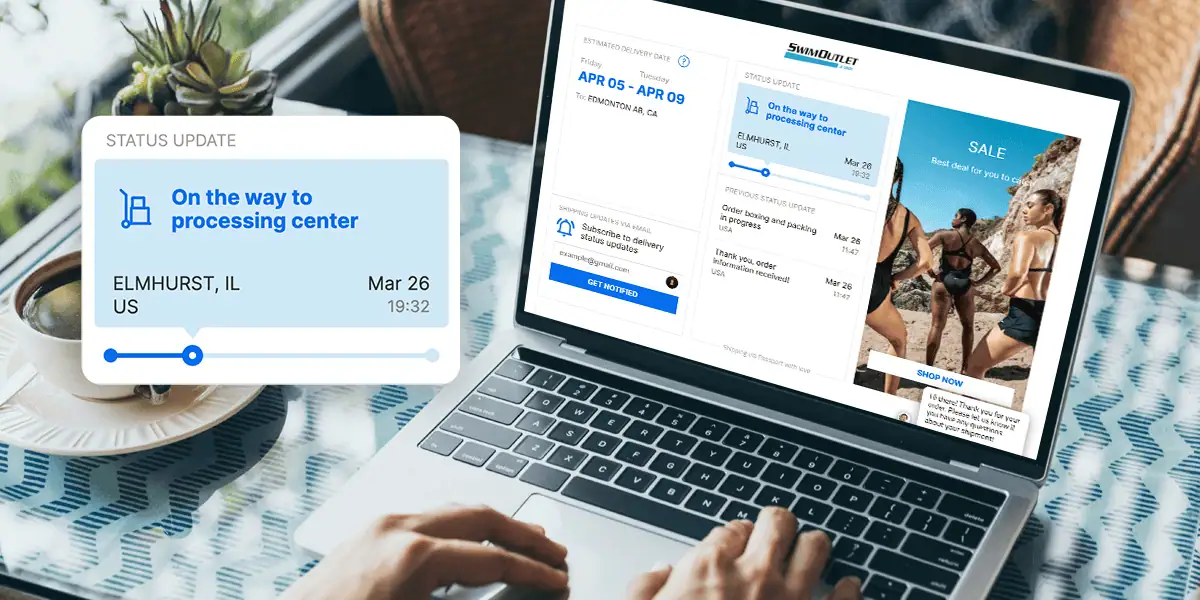
Tracking helps Canadian shoppers feel confident that their order is moving, especially when it crosses the border. If tracking stops after the package leaves the origin country, customers may assume the package is lost or delayed.
Brands should use shipping options that provide end-to-end tracking whenever possible and should explain when tracking updates may pause during customs clearance.
What happens if a Canadian customer refuses a package because of duties or taxes?
If a customer refuses a package because of unexpected duties or taxes, the order may be returned, delayed, abandoned, or subject to additional fees. This can create extra costs for the brand and a poor customer experience.
The best way to reduce refused packages is to clearly explain duties and taxes before purchase or collect them upfront through a DDP shipping model.