




Expanding internationally offers ecommerce brands incredible opportunities to grow revenue, reach new customers, and strengthen their global presence. While cross-border shipping is an excellent choice for international sales, in-country fulfillment can be another great option for brands seeking to scale efficiently, serve specific product needs, or optimize their operations in key markets.
Rather than replacing cross-border strategies, in-country fulfillment complements them, allowing brands to tailor their approach based on growth stage and product-specific requirements.
What Is In-Country Enablement?
In-country enablement involves establishing a local fulfillment presence in your target market by storing inventory within the country. This allows brands to process orders and ship products domestically, reducing costs, improving delivery times, and offer a localized shopping experience that resonates with customers.
The Benefits of In-Country Enablement
1. Better Serve High-Priority Markets
For brands that have successfully entered global markets with cross-border shipping, in-country enablement offers an opportunity to scale further. As order volumes grow and specific countries become high-priority markets, the economics of operating locally – such as lower shipping rates and quicker delivery times — become increasingly compelling.
2. Sell Goods That Don’t Easily Ship Cross-Border
Certain product types benefit greatly from in-country fulfillment:
- Large and bulky items – Avoid high international freight costs by shipping locally. Some examples include strollers, cookware, and furniture.
- Very lightweight and inexpensive items – Shipping in-country is typically much cheaper than shipping cross-border. Goods with a sale price under $30 are typically a good fit for in-country fulfillment to minimize shipping costs increasing the total price.
- Products with high average over value (AOV) – When products are fulfilled and shipped in-country, duties are assessed on the cost of goods sold, not the sales price. Goods with a sales price above the country’s de minimis (~$100 USD for Canada and ~$150 for the UK and EU), can be a great fit for in-country fulfillment to capitalize on lower duties, especially when those goods are manufactured outside the US.
- Specialty goods (e.g., hazardous materials) – Simplify complex shipping requirements and align with local compliance standards for goods that cannot travel by plane such as items with batteries, electronics, fragrances, etc.
- Goods with sensitive delivery times – Fulfilling and shipping in-country yields faster delivery times, so goods that need to be delivered by a certain date are typically a good fit for in-country fulfillment.
- Products with high return rates – This is most common with clothing, footwear, and apparel, where customers expect to order multiple items or sizes and return the ones they don’t want or that don’t fit. When fulfilling in-country, goods are sent back to the in-country warehouse, enabling brands to more quickly restock and get products back into circulation.
For these products, in-country fulfillment facilitates smoother operations and a better customer experience.
3. Cost Savings with Local Operations
Operating locally can deliver significant savings that drive profitability:
- Lower shipping costs — Domestic rates are substantially cheaper than international freight.
- Reduced duties impact — Keeping inventory within the market minimizes the duties passed to customers or absorbed by the brand. When you fulfill in-country, you pay duties on the Cost of Goods Sold, not the sales price.
- Payment efficiencies — Processing payments locally lowers currency conversion and payment processing fees, saving 3-4% on TOV.
4. Faster Delivery Times
Speed matters. In-country fulfillment reduces transit times by placing inventory close to customers. This enhanced delivery speed improves satisfaction, drives repeat purchases, and builds brand loyalty.
5. Easier Returns
Higher shipping costs can make cross-border returns a major hassle for brands. When you fulfill in-country, returns are shipped back to your local warehouse, not across the world back to your brand’s home country. In-country returns are shipped locally, cutting down on costs and enabling brands to add inventory back into circulation much faster.
6. Access to Marketplace and B2B Channels
Operating within the country can unlock additional growth opportunities:
- Marketplace expansion — Many platforms, like Amazon, require local fulfillment to offer services like Prime.
- B2B opportunities — Local hubs simplify supplying wholesale clients who demand fast and reliable deliveries.
Why Now? Choosing In-Country Fulfillment to Grow
While cross-border shipping remains an essential tool for international expansion, in-country fulfillment offers brands the flexibility to scale and meet rising customer expectations. By combining these approaches, you can:
- Build trust with faster, more reliable delivery
- Stay competitive with localized pricing and shipping strategies
- Unlock new channels for growth
How Passport Global Simplifies In-Country Enablement
At Passport, we recognize that international growth isn’t one-size-fits-all. Whether through cross-border shipping or in-country fulfillment, we help brands scale globally with ease.
With Passport Global’s in-country enablement services, brands can:
- Store inventory locally for faster, cost-effective shipping
- Process payments in-market to save on fees
- Meet local compliance standards without added complexity
- Expand into marketplaces and B2B channels seamlessly
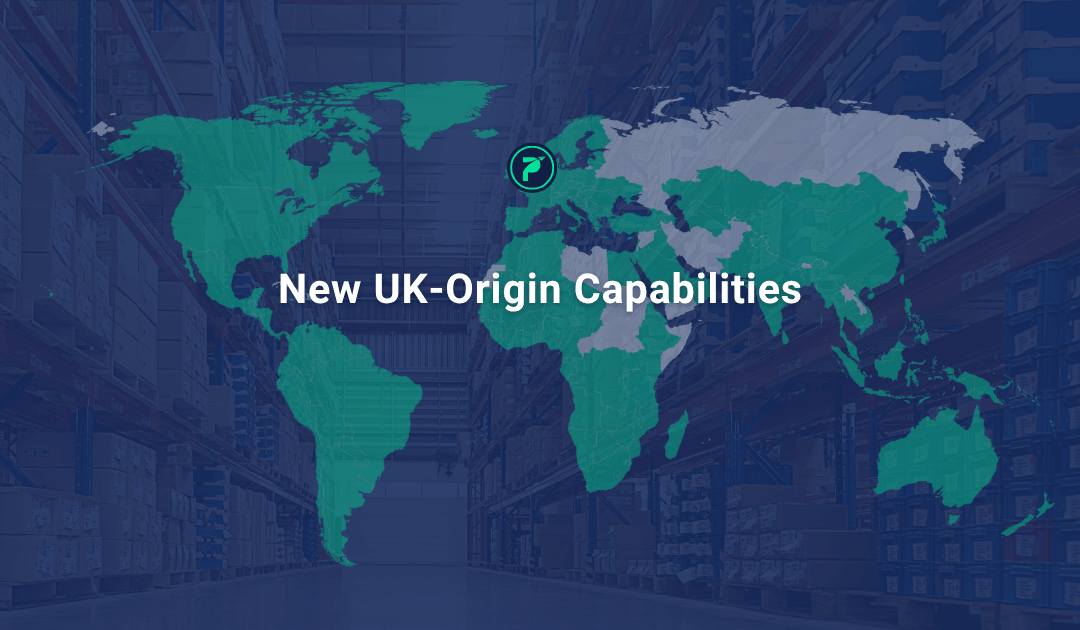
And thanks to our partnerships with top-tier 3PLs – including Bergen Logistics, Capacity LLC, DCL Logistics, ShipBob, Shipfusion, ShipMonk, and Outerspace – we can activate in-country logistics quickly in key markets like Canada, the UK, the EU, and Australia.
A Balanced Strategy for International Growth
Cross-border shipping provides an efficient, low-barrier way to enter international markets, while in-country fulfillment offers a scalable solution for brands ready to grow further. Together, these approaches empower you to adapt, optimize, and succeed in a competitive global landscape.
With Passport Global, you have the expertise and tools to tailor your strategy and unlock your full potential in every market. Let’s take the next step toward sustainable, profitable growth together. Reach out to our team today to request a demo.