


If your beauty brand is expanding internationally, Europe represents one of the world’s biggest opportunities for growth. With millions of highly engaged beauty consumers and a strong demand for global brands, the European market can be a powerful next step for cosmetics, skincare, fragrance, haircare, and personal care companies.
To sell successfully in the European Union (EU), brands do need to meet certain regulatory requirements around product safety, labeling, claims, packaging, and local representation. The good news is that with the right preparation and partners, navigating these requirements can be straightforward and scalable. In many cases, brands may need to consider compliance even before an official EU launch, especially if they already ship to European consumers or market directly to EU shoppers online.
Understanding these rules early helps brands avoid unnecessary delays, streamline customs clearance, and create a smoother customer experience from day one.
Here are the 10 most important things beauty brands should know before shipping cosmetics to Europe
1. The EU Defines “Cosmetics” Very Broadly
In 2009, the EU enacted rules that standardized cosmetics regulations across all member countries. According to this regulation, known as EU Regulation 1223/2009, a cosmetic is “any substance or mixture intended to be placed in contact with the external parts of the human body (epidermis, hair system, nails, lips, and external genital organs) or with the teeth and the mucous membranes of the oral cavity with a view exclusively or mainly to cleaning them, perfuming them, changing their appearance, protecting them, keeping them in good condition or correcting body odors.” In practical terms, this means the EU considers a very wide range of products to be cosmetics, including:
- Skincare products
- Makeup
- Haircare
- Fragrances
- Toothpaste and oral care
- Sunscreen
- Bath and body products
- Beard oils and grooming products
If a product touches the body and makes cosmetic claims, there’s a good chance it falls under EU cosmetics regulations.
2. EU Cosmetic Compliance Requirements Begin Before You Sell
Cosmetics regulations are stricter than in other parts of the world and require up-front work before you sell to European consumers.
Some of these requirements include:
3.You May Already Be Considered “Selling in Europe.”
According to Cosmetics Europe and EU guidance, you may already be considered active in the EU market if your business:
- Ships products to EU countries
- Displays prices in Euros
- Offers localized EU checkout experiences
- Translates content into EU languages
- Allows customers to select EU countries during checkout
- Runs marketing campaigns aimed at European shoppers
In other words, brands don’t necessarily need a warehouse or legal entity in Europe to trigger compliance obligations.
4. Customs Officials Often Start With Your Product Label
Customs agents will look at the labeling on the packaging and on the products to quickly determine whether these pre-market activities were completed. For example, if there is no EU address on the label, they know to take a closer look.
Goods made in the EU will have the manufacturer’s address and a way to contact them. Goods manufactured outside the EU need to list a “Responsible Person” who serves as the local point of contact.
5. EU Cosmetic Labels Must Include Specific Information
There are other telltales on the label like having the weight or volume in metric units, listing the country of origin (Made in) on the outer packaging, noting the “date of durability” of how long the product should last, the batch number, and the product function (e.g. beauty balm)
Depending on the product, labels typically need to include:
- Name and address of the Responsible Person
- Country of origin (“Made in USA,” for example)
- Net weight or volume in metric units
- Product function (such as moisturizer, shampoo, or beauty balm)
- Batch or lot number
- Expiration date or Period After Opening (PAO)
- Ingredient list
- Precautions and warnings
Beginning July 31, 2026, new EU fragrance allergen disclosure requirements will expand the number of allergens that may need to appear o cosmetic ingredient labels.
6. Label Translations Are Required Across EU Markets
All EU countries require you to translate the product function, composition, precautions, and warnings into the local spoken languages. For countries like Belgium that have three official languages, this information should be presented in Dutch, French, and German.
This commonly includes:
- Product function
- Warnings and precautions
- Usage instructions
7. Cosmetic Ingredients Must Use Standardized INCI Names
Cosmetic ingredients sold in the EU must be listed using standardized INCI (International Nomenclature of Cosmetic Ingredients) terminology. This system creates consistency across international markets and helps simplify compliance by eliminating the need to translate ingredient names into multiple local languages.
For example: Water is listed as “Aqua” and Fragrance is commonly listed as “Parfum”
Under EU cosmetic regulations, brands must use official INCI terminology rather than internal ingredient names, marketing language, or unofficial translations.
8. “Natural” and “Organic” Claims Still Require Caution
Many beauty brands assume that terms like “natural,” “clean,” “non-toxic,” or “organic” are lightly regulated marketing terms. In Europe, however, cosmetic claims are subject to strict scrutiny and must be supported by evidence.
Under EU cosmetics regulations, brands cannot make misleading claims about product performance, ingredients, safety, or environmental benefits. Claims must be truthful, substantiated, and supported by appropriate documentation if challenged by regulators.
This is especially important for:
- “Natural” or “organic” positioning
- “Hypoallergenic” or “dermatologist-tested” claims
- Sustainability or environmental claims
- “Free-from” marketing (such as “chemical-free”)
- Anti-aging or therapeutic-style claims
9. Selling in the UK Requires Separate Compliance
While UK cosmetic regulations remain broadly similar to EU requirements, products sold in Great Britain (England, Scotland, and Wales) generally require:
- A UK Responsible Person (UK RP)
- A Product Information File (PIF) and cosmetic safety assessment
- Product notification through the UK’s Submit Cosmetic Product Notifications (SCPN) portal
- UK-compliant labeling and contact information
For beauty brands expanding internationally, it’s important to treat the EU and UK as distinct regulatory environments rather than assuming one approval process covers both markets.
10.Working With the Right Shipping and Compliance Partners Matters
Successfully expanding into Europe requires more than enabling international shipping. Beauty brands must also manage customs, VAT, regulatory compliance, labeling requirements, and customer experience expectations.
Passport helps beauty brands simplify cross-border expansion through:
- Delivered Duties Paid (DDP) shipping
- Accurate duties and tax calculation
- Customs documentation support
- International checkout optimization
- Access to trusted regulatory partners
- Guidance on EU and UK cosmetic compliance
How Passport helps beauty brands grow in Europe
Expanding into the EU it’s about creating a seamless customer experience that builds trust from checkout to delivery. That’s where Passport helps.
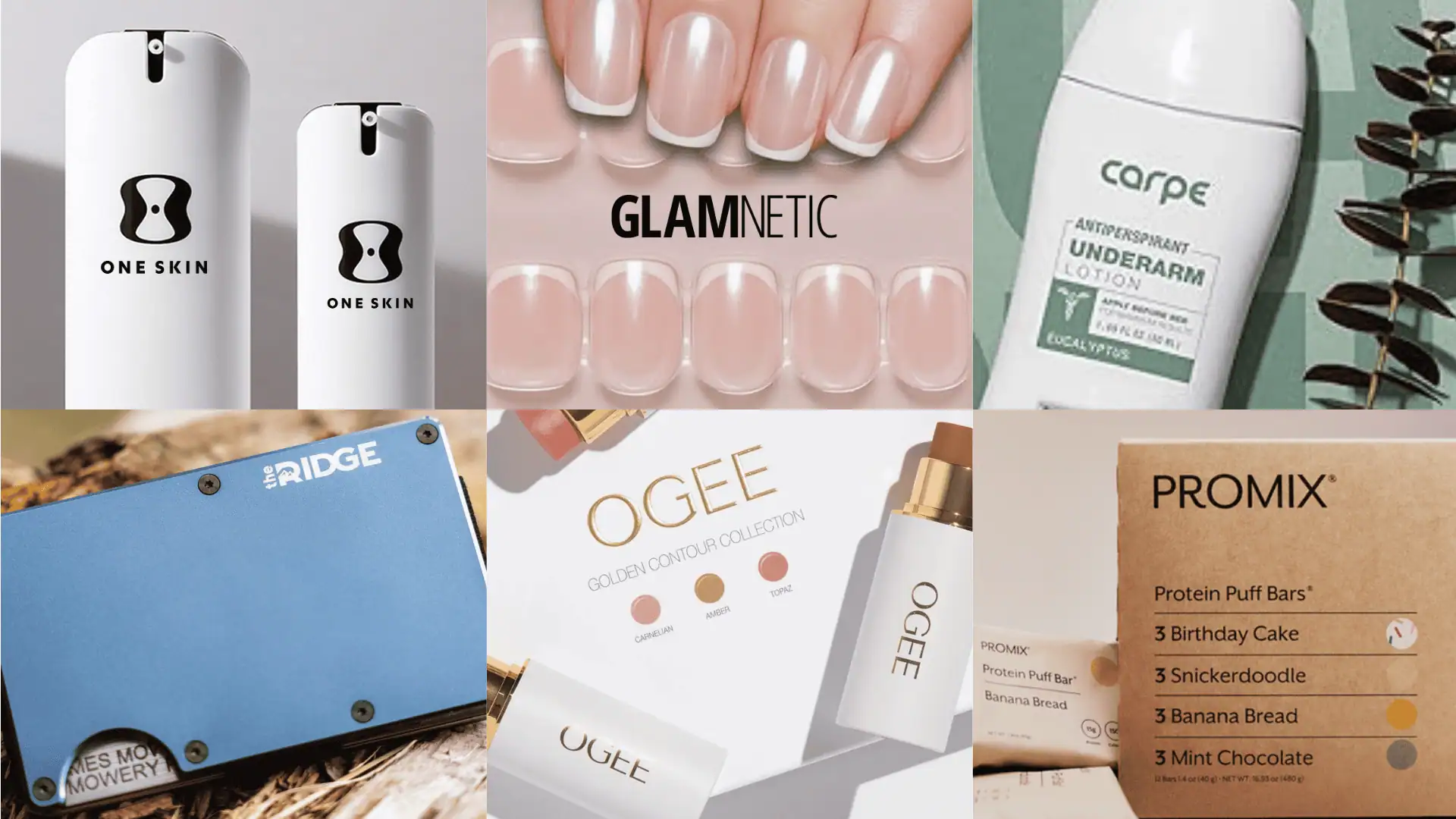
Luxury skincare brand Ogee partnered with Passport to support its international growth and deliver a more premium cross-border experience for customers in key global markets. By implementing localized checkout experiences, transparent duties and taxes, and optimized international shipping, Ogee was able to reduce friction across the customer journey while scaling more confidently overseas.
With Passport, Ogee was able to:
- Improve international conversion rates
- Increase visibility into duties, taxes, and landed costs
- Deliver a more localized premium customer experience
- Scale international shipping operations more efficiently
For beauty brands expanding into the EU and UK, the right partner can simplify international logistics, support compliance, and help accelerate global growth.
Are you ready to reach your global potential? Set up a discovery call with our team today to see how Passport can fuel your growth.
Frequently Asked Questions
Can I ship cosmetics to Europe from the US?
Yes, US-based beauty brands can ship cosmetics to Europe, but products must comply with EU cosmetics regulations, including labeling, safety assessments, and Responsible Person (RP) requirements.
What is the EU Responsible Person (RP)?
The Responsible Person (RP) is the designated individual or entity within the EU responsible for ensuring cosmetic products comply with EU regulations. Non-EU brands must appoint an RP before placing cosmetic products on the EU market.
Do I need to register cosmetic products before selling in Europe?
Yes. Cosmetic products sold in the EU generally require notification through the Cosmetic Products Notification Portal (CPNP) before entering the market.
What is a Product Information File (PIF)?
A Product Information File (PIF) contains documentation demonstrating a cosmetic product’s safety and compliance. It typically includes ingredient details, safety assessments, manufacturing information, and supporting documentation required under EU regulations.
Do cosmetic labels need to be translated?
Yes. EU member states generally require certain product information—such as warnings, precautions, and product function—to appear in local languages relevant to the destination market.
Are ingredient names translated across EU countries?
No. Cosmetic ingredients are listed using standardized INCI (International Nomenclature of Cosmetic Ingredients) terminology, which helps create consistency across international markets.
Can I use “natural” or “organic” claims on cosmetic products in Europe?
Potentially, but claims must be truthful, substantiated, and compliant with EU cosmetic claims regulations. Unsupported or misleading marketing claims may trigger regulatory scrutiny.
Does the UK follow the same cosmetic regulations as the EU?
The UK maintains a similar cosmetics framework post-Brexit, but brands selling into Great Britain must comply with separate UK requirements, including appointing a UK Responsible Person and submitting notifications through the UK cosmetic notification system.
What happens if my cosmetics don’t comply with EU regulations?
Non-compliant products may be delayed, rejected, relabeled, recalled, or seized by customs or market surveillance authorities. Brands may also face fines or enforcement actions.
How can I reduce customs delays when shipping cosmetics internationally?
Brands can help reduce delays by ensuring accurate product classification, compliant labeling, complete customs documentation, and alignment with EU and UK cosmetic regulations before shipping products internationally.