

How to Decide When (and Where) to Go Local
When you first expand internationally, it makes sense to ship everything cross-border. But as orders grow, duties increase, and customers expect two-day delivery, you reach a turning point:
Is it time to move some of your inventory in-country?
Here’s how to know when local fulfillment is worth it — and what it can unlock for your brand.
1. You’ve identified high-demand markets
Your analytics will tell you when a market is ready for local fulfillment. Look for:
- Steady order volume from a single country (e.g., 10%+ of total international sales)
- High website traffic or paid campaign performance in that region
- Lower return rates or higher AOVs from customers in that country
When that demand becomes consistent, moving inventory closer to the customer can unlock faster shipping, lower costs, and stronger brand loyalty.
2. You’re eyeing marketplace expansion
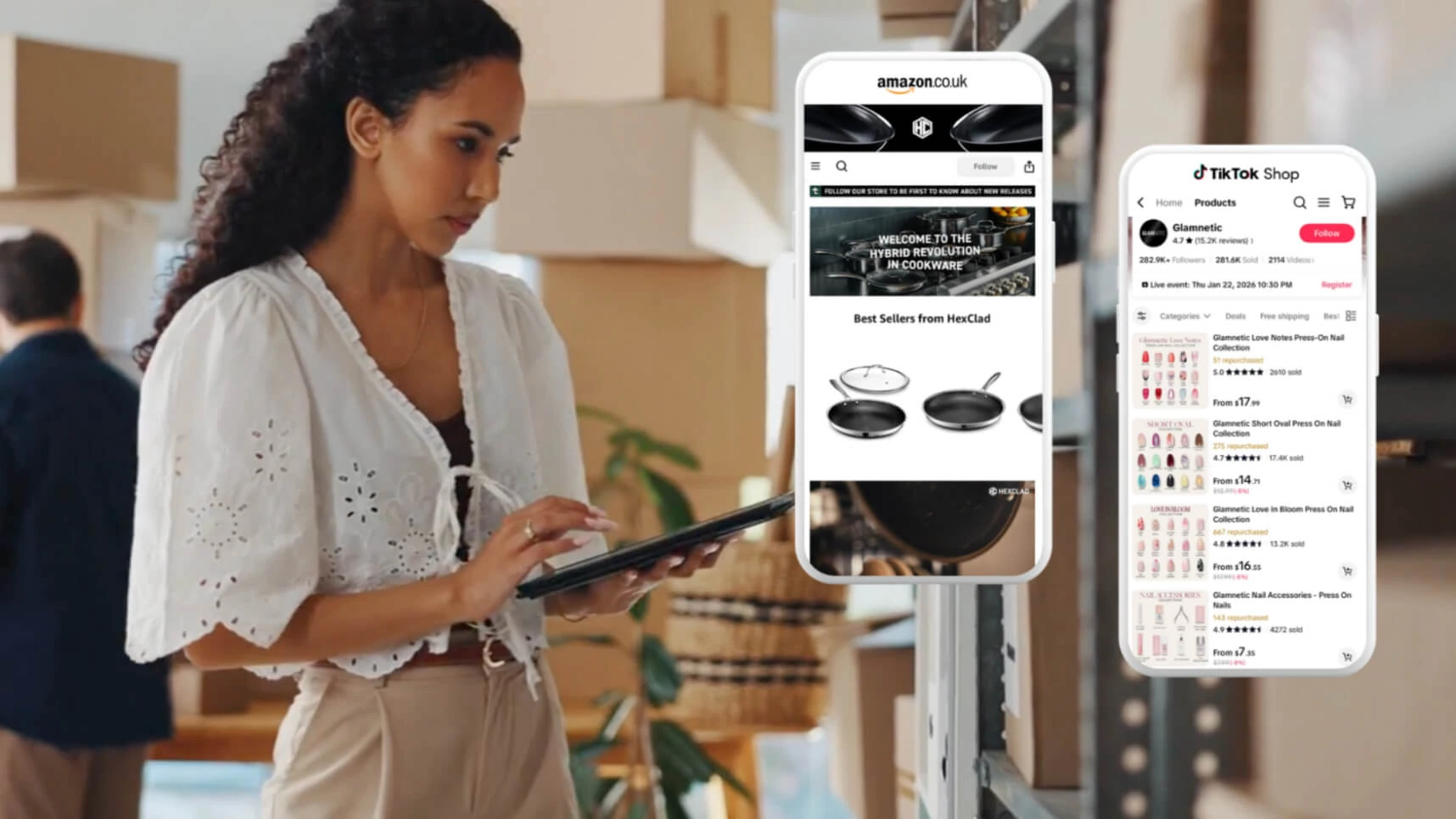
Marketplaces like Amazon, TikTok Shop, and Zalando often require local inventory to sell — and they’re a powerful growth channel once you’re ready.
If marketplace sales are part of your roadmap, in-country inventory is the key to unlocking them. It also improves your visibility, boosts conversion rates, and enables local promotions without international constraints.
3. Transit times are slowing your sales
If international delivery is taking 7–10 days or longer, it’s likely hurting your conversion rate and customer satisfaction.
Customers in regions like the UK, EU, or Canada increasingly expect domestic-like delivery times. Local fulfillment can reduce shipping times from a week to a day — and drastically lower costs per parcel.
“Once Ridge moved inventory into the UK, their delivery times dropped by 80%, and sales in the region took off. The combination of local fulfillment and duty-inclusive checkout made them feel truly local.”
— Passport Logistics Team

4. Tariffs and duties are cutting into profits
Cross-border duties and taxes can add up quickly — sometimes 20–30% of landed cost.
If a market’s duties are high or your products are frequently flagged for customs holds, moving inventory into a bonded warehouse or local facility can reduce costs and improve predictability.
For many brands, those savings alone justify the shift.
5. You’re ready to scale sustainably
Going local doesn’t just save money — it builds momentum.
HexClad, for example, expanded from U.S.-only shipping to stocking inventory in the UK to support local marketplaces and faster customer delivery. The result? Explosive regional growth and a stronger brand presence with British consumers.

If two or more of these apply, it’s time to start planning your move.
Final Thoughts
Moving inventory in-country is one of the biggest unlocks for brands entering their next phase of international growth. It drives faster delivery, lower costs, and a localized experience that wins customers’ trust.
With Passport, you can easily identify where the opportunity is largest — and get the infrastructure you need to make it happen.
Want to explore in-country fulfillment options for your top markets? Talk to our team today!