

The global ecommerce market continues to grow, creating meaningful opportunities for brands ready to reach customers beyond their home market. Shopify reports that global retail ecommerce sales are forecast to reach $6.56 trillion in 2025, up from $6.09 trillion in 2024.
That scale creates enormous opportunity, but it also makes careful execution more important. International expansion is not just about opening new markets. Brands need to understand where demand exists, how products will be fulfilled, what compliance requirements apply, and how to create a smooth customer experience from checkout through delivery.
With the right strategy, global selling can help ecommerce brands reach new audiences, diversify revenue, and build long-term growth across markets.
Here are five steps to help you get started with a strategic expansion into new global markets.
1. Understand the Impact on Current Operations
Before embarking on any efforts at international expansion, examine your existing ecommerce platform, logistics network, fulfillment processes, vendor partners, and shipping agreements for readiness.
Expanding internationally may require operational expansions, process improvements, and the introduction of new technologies and partners. By assessing your current operations and considering the necessary changes for international growth, you can begin to map out a successful expansion strategy.
This doesn’t have to be an overwhelming task. And many brands may not have to do much more than test their new markets at lower-risk price points, and with the right partners, before going all-in.
You can start by testing new markets one at a time, gradually scaling up as you gain confidence and experience. This approach, often adopted by successful direct-to-consumer (DTC) brands, allows for manageable risk and learning at each step.
Partnering with experienced vendors like Passport, who have deep knowledge and robust networks when it comes to global shipping, can further mitigate risks and streamline the expansion process.
As a general tip, popular starting points for testing new markets include Canada, the United Kingdom, the European Union, and Australia.
2. Define Demand and the Regulatory Environment
Understanding the demand for your product in new global markets is essential to successful expansion. This may involve conducting comprehensive market research to identify popular trends, consumer behavior, and cultural preferences in different countries – particular of course to your industry and niche.
It’s not just about discovering whether or which of your products are in demand. You’ll also want to know how local consumers shop and their preferred payment methods. You’ll definitely want to get familiar with their expectations in the areas of customer service and delivery.
Market research can help you identify:
- Product demand by country
- Local consumer behavior
- Cultural preferences
- Preferred payment methods
- Delivery expectations
- Customer service expectations
- Competitive positioning
Additionally, it’s important to understand the regulatory environment in each target market, including:
- Import laws and customs regulations
- Tax requirements
- Industry-specific laws and rules, depending on your unique product catalog
While you can do all the required vetting in these areas by yourself, consider consulting with industry experts and logistics professionals who can provide accurate guidance, more quickly. You might also seek out local expertise to help avoid common but hard-to-anticipate pitfalls, to ensure a smoother entry into any one market.
And, again, outsourcing can be your friend, with experienced partners helping to reduce the risk of making any understandable but potentially costly and avoidable mistakes during your expansion efforts.
3. Consider the Customer’s Expectations & Experience
Customer expectations and experiences can vary greatly across different markets. It’s important to understand any potential differences in these areas and to tailor your approach accordingly.
This might involve updating your product offerings, improving your ecommerce shopping experience for broader segments of customers, and working to balance delivery speed and cost (especially for faraway delivery locations). It can often be prohibitively expensive to match international shipping times to your domestic delivery times. This does not at all have to exclude you from global growth. It just might mean that you need to put some extra thought into policies and communications surrounding international sales.
A strong international customer experience should answer questions such as:
- How much will shipping cost?
- Will duties and taxes be included at checkout?
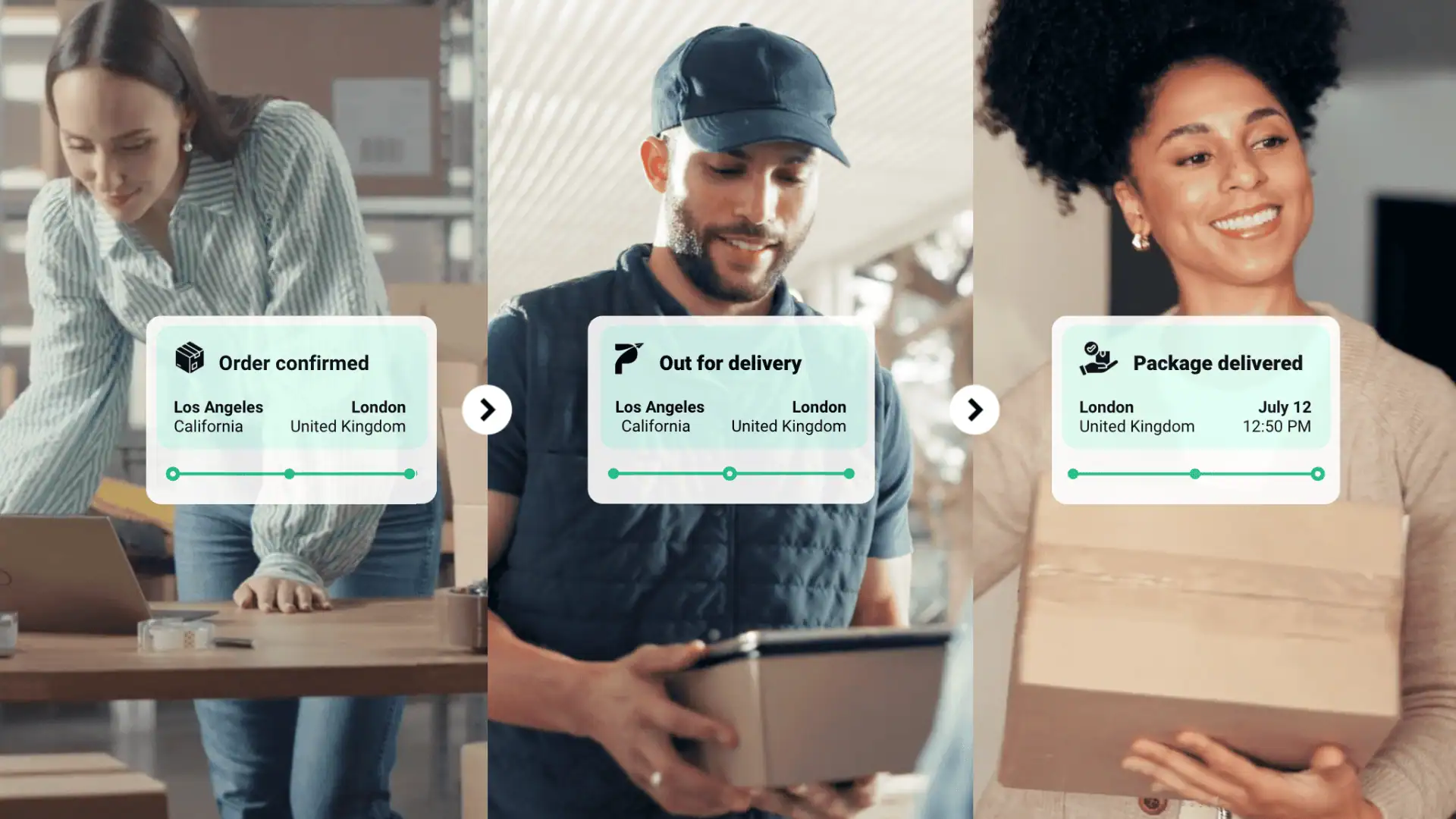
- When will the order arrive?
- Who will deliver the package locally?
- How can the customer contact support?
- What happens if the customer wants to return the item?
Finally, ensure your technological infrastructure is up to the task of serving your new target markets. From shopping to delivery, you’ll want an experience that’s as seamless and enjoyable for your new international customers as it is for your domestic customers.
4. Determine the Timing for Your Expansion
Timing can have a major impact on international expansion. Before launching into a new market, consider how seasonality, carrier capacity, local holidays, and customer support needs may affect your rollout.
Each market has its own sales cycles and peak periods. A busy season in one country may not align with your domestic calendar. For example, seasonal demand, weather patterns, major holidays, and promotional periods can differ significantly by region.
Brands should consider:
- Peak shopping seasons in each target market
- Local holidays and delivery disruption
- Carrier capacity and service levels
- Seasonality for the product category
- Internal team readiness
- Customer support coverage
- Lessons learned from past launches
Planning around these factors can help brands select the right launch window, communicate delivery expectations clearly, and avoid unnecessary strain on operations.
Time zones are another important consideration. If your customer support team is based in one region, you may need to adjust response expectations or coverage hours for international customers.
5. Assess Carriers and Select Partners
When it comes to the fulfillment side of your expansion efforts, choosing the right logistics and/or carrier partners can make or break your execution.
Seek out partners who offer transparency, boast proven industry expertise, and employ a customer-centric approach matchable to your own. You might also consider contracting with a mix of partners, depending on your specific needs and the particular services offered by your preferred vendors. Once you’ve selected your partners, ensure that their technology can be easily integrated with yours, to maintain that transparency and for ease of execution.
Before selecting partners, consider whether they can support:
- Reliable cross-border delivery
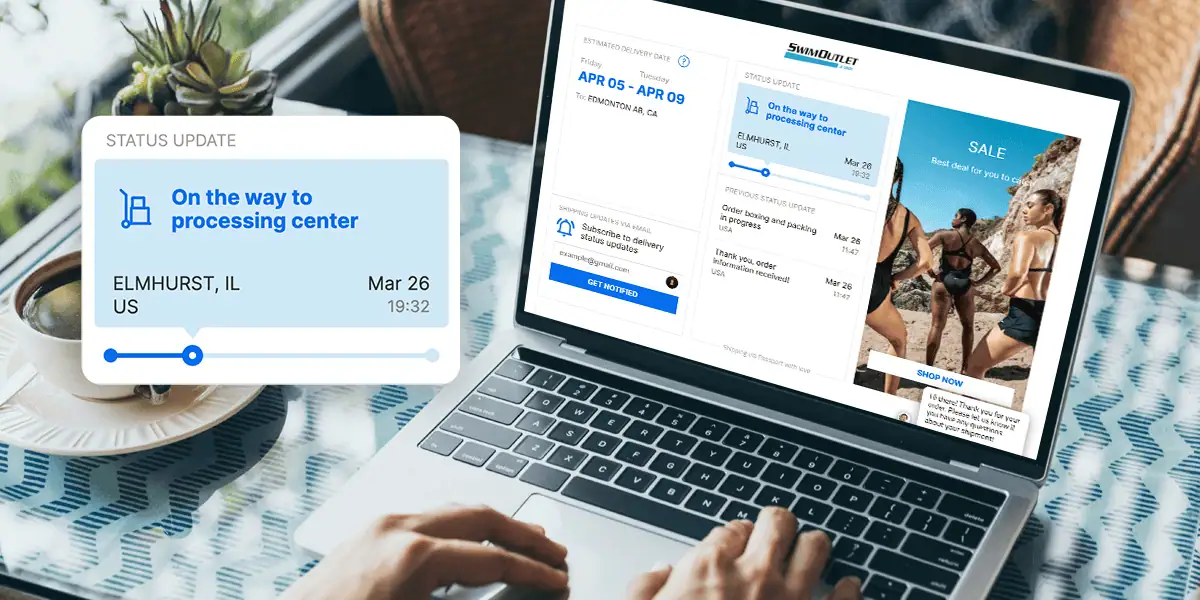
- Clear tracking visibility
- Duties and taxes calculation
- Customs documentation
- Carrier performance by market
- Technology integration with your ecommerce stack
- Customer support and issue resolution
- Scalable operations as order volume grows
Once your partners are selected, make sure their systems integrate smoothly with your current workflows. The goal is to make international expansion easier for your team and more reliable for your customers.
How Passport Can Help
Passport does all these things. With our deep understanding of international shipping complexities, we can help you navigate any challenges you might encounter as you go about expanding your e-commerce brand globally.
We offer end-to-end transparency, a customer-first approach, and boast a robust network of carrier partnerships. Our technology integrates seamlessly with your existing systems, ensuring a smooth transition and ongoing operations. And we’ve helped other clients achieve measurable, bottom-line success.
Expanding your ecommerce brand internationally is a big step, but it doesn’t have to be a daunting one. With careful planning, a deep understanding of your target markets, and the right partners, you can successfully extend your reach and tap into new, lucrative markets.
Ready to explore your next international market? Connect with the Passport team to learn how we can help you build a smarter, smoother global shipping strategy.To get started, connect with the Passport team here.
Frequently Asked Questions
What is international ecommerce expansion?
International ecommerce expansion is the process of selling and shipping products to customers in markets outside your home country. This can include updating your checkout, logistics, fulfillment, customs documentation, tax strategy, customer support, and delivery experience to support cross-border sales.
How do I know if my brand is ready to expand internationally?
Start by reviewing your current operations. Look at your ecommerce platform, fulfillment process, logistics network, shipping agreements, technology stack, customer support workflows, and product catalog. If your team can support international checkout, shipping, documentation, tracking, and customer communication, you may be ready to test a new market.
What are good first markets for international ecommerce expansion?
Many direct-to-consumer brands begin by testing markets such as Canada, the United Kingdom, the European Union, and Australia. The right market depends on product demand, customer behavior, shipping costs, compliance requirements, and your brand’s ability to deliver a strong customer experience.
What should brands research before entering a new market?
Brands should evaluate local demand, consumer preferences, payment methods, delivery expectations, duties and taxes, import rules, product restrictions, and customer support needs. It is also important to understand whether your product category has market-specific requirements, such as labeling, permits, or compliance documentation.
How important is the customer experience in international ecommerce?
Customer experience is critical. International shoppers want clear expectations around shipping costs, duties and taxes, delivery timelines, tracking, returns, and support. Brands do not always need to match domestic delivery speeds, but they should be transparent and consistent throughout the customer journey.
Should duties and taxes be shown at checkout?
In many cases, yes. Showing duties, taxes, and total landed cost at checkout can create a clearer customer experience and reduce surprises at delivery. This can help improve trust, reduce support tickets, and lower the risk of refused shipments.
How should brands choose the right time to expand internationally?
Brands should consider seasonality, local holidays, carrier capacity, product demand, customer support coverage, and internal readiness. The best timing may vary by market, especially when local peak shopping seasons or weather patterns differ from your domestic calendar.
What logistics partners do ecommerce brands need for international expansion?
Brands may need partners for cross-border shipping, customs documentation, carrier coordination, duties and taxes calculation, returns, compliance guidance, and customer experience tools. The right mix depends on your target markets, product catalog, order volume, and internal resources.
Can brands test international markets before fully expanding?
Yes. Many brands start with one or two priority markets before scaling globally. Testing helps teams understand demand, checkout conversion, shipping performance, customer support needs, and operational requirements with more manageable risk.