

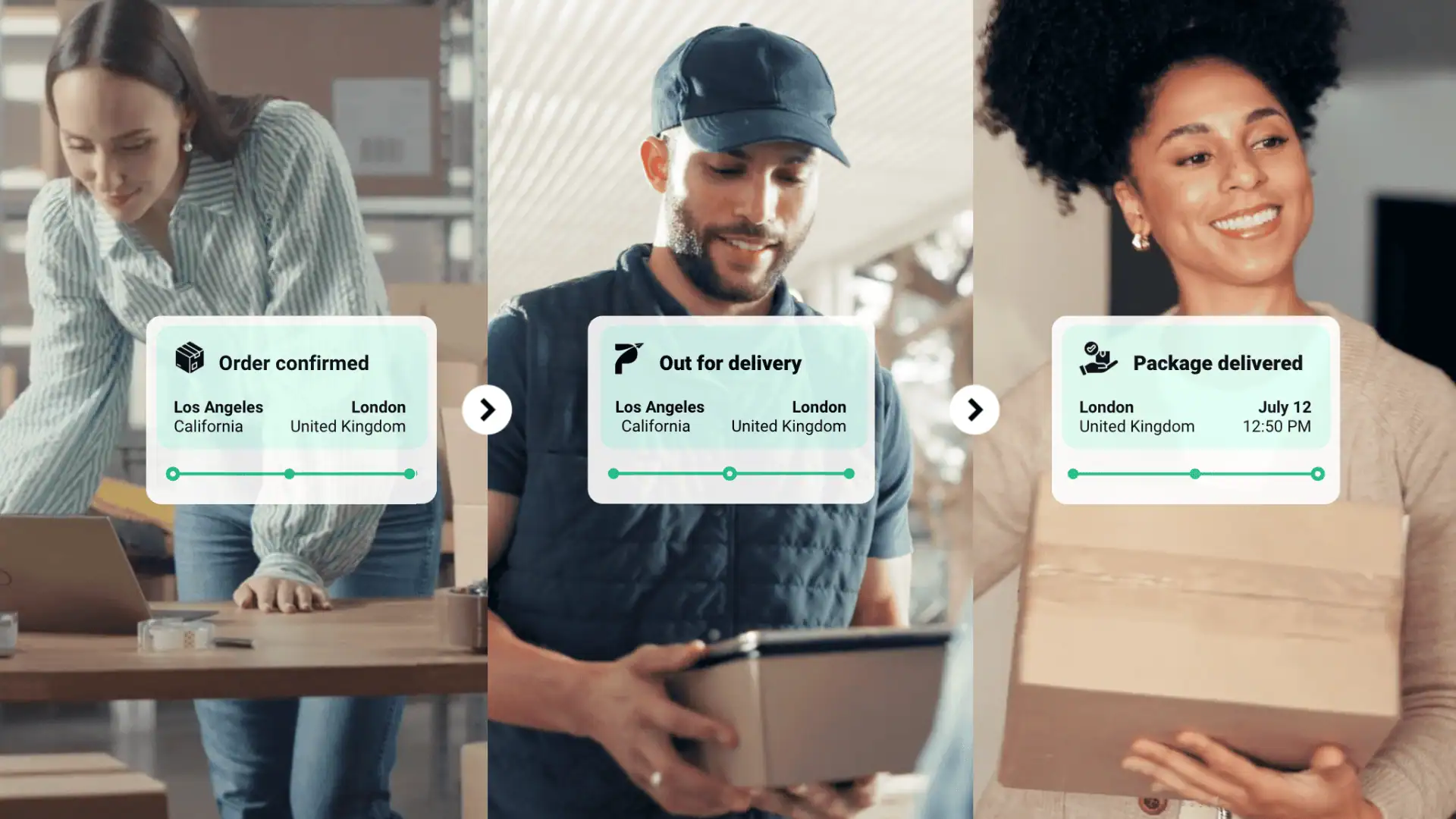



International ecommerce has a reputation for complexity, but modern technology has made global expansion more accessible than ever.
Succeeding on the world stage, however, requires more than just shipping orders. Beyond the added operational complexity and regulatory requirements, today’s shoppers expect transparent pricing, lightning-fast delivery, and a seamless checkout.
Meeting those expectations while navigating the intricacies of global trade can be challenging. Each new market brings new customers, along with cultural nuances and regulatory requirements.
Here’s where Shopify comes in.
As a global commerce platform, Shopify provides a user-friendly foundation for merchants expanding internationally. With tools for market-specific storefronts, multi-currency selling, and thousands of integrations, brands can effectively engage customers around the world.
As Shopify continues to capture a larger share of the market, it’s worth taking a closer look at what the platform can offer international merchants.
Whether you’re launching in your first foreign market or refining your global strategy, understanding Shopify’s capabilities can help you make the most of the platform as you expand.
What is Global Commerce?
Let’s clarify what we mean by “global” (the distinction is important beyond semantics).
There’s no universal definition for when a business becomes global. A strictly legal interpretation might include any enterprise spanning multiple countries.
For the purpose of this discussion, we’ll use the definition offered by Harvard Business School: “…when your product or service has a shared brand identity system … established in most or all parts of the world.”
This doesn’t mean you need to be ready to go global for this guide to apply to you, but it’s worth recognizing your potential to do so.
While many ecommerce platforms can support international operations in a select number of regions, few facilitate truly global reach. This is one of the distinguishing features that makes Shopify worth understanding; you can start small and scale as your business grows.
As the retail industry shifts away from brick-and-mortar stores toward ecommerce, brands are realizing the opportunities beyond their borders. Modern consumers are embracing international retail, making global expansion a viable path to sustainable growth, even for smaller businesses.
Shopify provides the foundational tools you’ll need to operate globally, lowering the barrier to entry.
Getting Started on Shopify
Before accepting international orders, it’s worth familiarizing yourself with Shopify’s essentials and optimizing your storefront. The platform has a lot of features, and thoughtful planning can help ensure a smooth rollout.
1. Identify High-Value Markets
Your first step is to decide which international markets offer the strongest opportunities for your business. Shopify provides several analytics—including web sessions, product page views, and add-to-cart metrics—with regional breakdowns to help you gauge international demand.
Once you’ve identified priority markets, you’ll want to understand their tax rates, customs requirements, product restrictions, and import regulations. These specifics will help you estimate the administrative cost and difficulty associated with each market.
These regional requirements become part of your day-to-day operations once you launch there, so learning them early will save time and reduce headaches later.

2. Configure Your Product Selections & Shipping Structures
Regional customization is essential for ecommerce brands selling across borders.
Not every product is a fit for every market. Certain items may be restricted, in low demand, or too expensive to ship profitably.
Using Shopify Markets, merchants can customize their product catalog by region, tailoring product assortments to local demand and cost considerations.
You’ll also want to establish market-specific shipping rates and order fulfillment options. Consumers increasingly expect multiple shipping tiers that balance cost and speed, so offering multiple service levels can help maximize conversions and customer satisfaction.
Since Shopify can centralize multiple market storefronts in a single hub, you can configure pricing, product availability, and other region-specific settings from a convenient control center.
3. Enable Orders One Market at a Time
Though you have the option to launch globally all at once, it’s far more manageable to expand incrementally.
Activating one or two comparable markets allows you to validate your operational processes, monitor customer feedback, and fine-tune fulfillment before expanding further.
A phased approach also gives your team time to evaluate:
- Shipping performance
- Customs clearance
- Delivery windows
- Post-purchase support
As processes become more predictable, you can confidently add new markets without overwhelming your team.
4. Market Your Storefront
Once your store is ready for international sales, attracting shoppers is the next priority. Though foreign customers may know about your store, paid and organic marketing campaigns will build early traction in your new market.
Rather than reusing domestic marketing assets, consider investing in market-specific advertising. Regionally relevant content and partnerships have better odds of connecting with your audience.
Shopify also lets merchants create regional landing pages and automatic redirects to guide customers to the appropriate version of your storefront. Setting up regional domains helps shoppers land on the most relevant version of your site while supporting localized SEO efforts.
To further personalize the experience, Shopify supports website translation, enabling customers to browse in their preferred language. These features effectively let you tailor every step of the customer experience from discovery to purchase.
Getting More Advanced with Shopify-Native Settings
Once your foreign markets are live and you have some international momentum, Shopify has a growing collection of native capabilities that can help take your store to the next level.
Checkout & Conversion Optimization
A seamless checkout is one of the biggest drivers of ecommerce conversions. Even minor points of friction can lead customers to abandon their purchases, especially for impulse buys.
But what merchants new to global trade might not realize is that checkout preferences vary widely across markets. Everything from payment methods to the number of steps required to complete a transaction can influence conversion rates.
Fortunately, Shopify enables A/B testing for almost every aspect of the customer experience. Merchants can experiment with different storefront elements to understand what resonates in each market. Using real customer behavior to inform your site’s design, you can evaluate everything from messaging and promotions to page layouts and checkout flows.
In short, Shopify’s A/B testing tools help turn customer behavior into actionable insights.
Working Smarter with AI
Managing a globalized ecommerce business means balancing growth initiatives with operational workloads.
Shopify’s native AI assistant, Sidekick, functions like a built-in expert on your business, simplifying your store management through chat-based interactions. Sidekick can answer hyper-specific questions, surface insights, generate sales reports, and help with day-to-day administrative work.
One of Sidekick’s latest capabilities is “Skills“—reusable commands that automate frequent tasks to reduce repetitive work. For example, merchants use Skills to create custom discount codes, produce branded product imagery, and complete other routine workflows with a single prompt.
By saving common instructions and best practices, Sidekick Skills help teams work more productively and spend less time on repetitive tasks.
Managing International Operations
The more markets you expand into, the more complex it becomes to manage their unique requirements. By housing most of the business analytics you need to make informed decisions in a single platform, Shopify makes it possible to oversee your enterprise without jumping between accounts or other apps.
From tracking sales and inventory to configuring shipping and tax calculations, Shopify provides a unified framework for managing global operations. This centralized approach helps merchants scale more efficiently while maintaining brand consistency across markets.
Collecting key performance data within the same platform also provides greater visibility into your business performance. Rather than juggling disconnected datasets or duplicating analyses, merchants can track their global performance in one place and make data-driven decisions more quickly.

Growing Beyond Shopify’s Native Capabilities
While Shopify provides an excellent toolkit for global commerce, most brands will benefit from additional capabilities that go beyond its native features. As you approach true global scale, managing operations across several continents takes more than any one platform can provide.
At the end of the day, Shopify serves as your storefront and point of sale. The platform’s true potential lies in its ability to integrate with specialized solutions like Passport, which helps merchants manage international shipping, compliance, and localization.
By extending Shopify’s capabilities, Passport helps brands scale beyond the platform’s native limitations while preserving the workflows they already know.
Delivering a Truly Localized Customer Experience
Though Shopify’s website translation tool is a big help, creating a truly localized experience takes more than offering content in the local language.
For starters, most customers prefer to check out in their home currency. Localized pricing, familiar payment experiences, and transparent checkout flows build trust and reduce friction throughout the purchasing journey.
Customers also expect to understand the full cost of their order before they buy. Displaying duties, taxes, and other import fees upfront helps eliminate surprises at delivery, creating a more predictable shopping experience. Solutions like Passport can help merchants provide accurate landed costs and localized checkout experiences at scale.
Simplifying International Shipping and Global Compliance
International expansion introduces complexities that extend well beyond fulfillment. Product regulations, tax obligations, shipping restrictions, and documentation requirements vary by country, making compliance one of the biggest challenges of global growth.
As merchants expand into more markets, managing customs requirements, tax obligations, and shipping regulations becomes increasingly complex. Building reliable processes for compliance helps reduce the risk of delays, unexpected costs, and customs holds while creating a more consistent customer experience.
For brands looking to simplify these operational challenges, Passport combines international shipping, compliance expertise, and customs support into a single global commerce solution.
Improve the Post-Purchase Experience
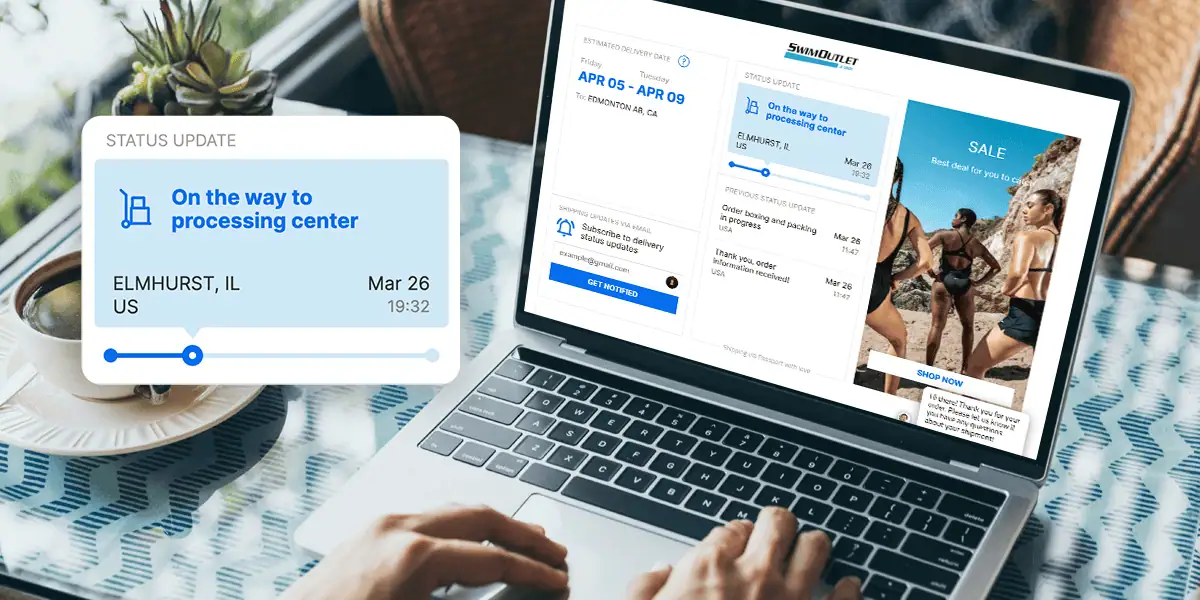
The customer experience doesn’t end at checkout. Delivery tracking, proactive notifications, responsive customer support, and a simple returns process help build trust and encourage repeat purchases.
Providing customers with clear shipping updates and branded communications keeps them informed throughout the delivery journey, while a streamlined returns process helps reduce the complexity of international reverse logistics.
Maintaining a consistent post-purchase experience across global markets isn’t easy, but investing in the right shipping and customer experience tools can help merchants deliver a seamless experience from shipment to return.

Grow with a Partner Built for Global Commerce
International expansion is an ongoing growth strategy that requires ongoing adaptation.
Passport supports merchants throughout every stage of the journey, from enabling cross-border shipping for new markets to powering in-country fulfillment. Because logistics, compliance, technology, and consultative support are combined in a single solution, merchants can scale more efficiently while maintaining the brand experience customers love.
Whether you’re entering your first international market or building a global presence, Passport provides the expertise and infrastructure to help Shopify merchants expand with confidence. Reach out today to get started!
Key Takeaways
- Global commerce opens room for both risks and opportunities – Expanding internationally allows merchants to reach new customers, but success requires thoughtful planning and the right technology and operational support.
- Start with a clear roadmap – Before launching internationally, identify the right markets, understand local regulations, and configure market-specific strategies.
- Leverage Shopify’s native capabilities – Features like Shopify Markets, web translation, multi-currency support, and AI-powered tools help merchants create better experiences for global shoppers while simplifying operations.
- Extend your store with specialized global commerce solutions – As international operations become more complex, Passport takes the guesswork out of localization, compliance, shipping, tax handling, and post-purchase follow-through.

Authored by Casey Bright
VP of Marketing | Passport
Casey Bright, an accomplished marketing leader with 15+ years of experience, specializes in brand and demand building for B2B and B2C global companies. Proficient in go-to-market, inbound, and demand generation strategy, she collaborates with sales, product, and RevOps teams to fuel revenue growth. Previously at Flock Freight, Casey achieved over 3x acquisition growth. Her diverse experience includes roles at Coyote Logistics, USG, and agency work for global brands like John Deere.
FAQs: Using Shopify for International Commerce
Whether you’re just beginning to expand or refining your next steps, it’s natural to face uncertainty. Below are answers to some of the most common questions Shopify merchants have about global commerce.
Is Shopify good for international ecommerce?
Yes. Shopify is a popular choice for ecommerce businesses seeking a user-friendly platform for international sales. With features like Shopify Markets, Sidekick, and a robust ecosystem of third-party integrations, it provides a strong foundation for global commerce.
What is Shopify Markets?
Shopify Markets is a built-in feature for managing and customizing how your store appears in different regions—from pricing and shipping to product selections. It allows merchants to localize international operations from a single control hub.
Can Shopify calculate international duties and taxes?
Yes. Shopify provides tools for estimating duties and taxes in supported markets when products are properly classified and customs information is complete. Businesses operating across multiple international markets, however, may benefit from additional tools or expertise to help manage ongoing compliance and landed cost calculations.
Does Shopify support multiple currencies?
Yes. Shopify enables merchants to display prices and accept payments in multiple currencies, allowing customers to shop in their local currency for a more familiar purchasing experience.
What is the difference between cross-border shipping and localized ecommerce?
Cross-border shipping refers to fulfilling international orders from a domestic location. Localized ecommerce is the practice of tailoring the shopping experience for each market through pricing, currencies, languages, payment methods, and other customer-facing experiences.
When should a Shopify merchant invest in global commerce solutions?
The right timing depends on each business’s goals, growth trajectory, and operational complexity. Businesses often consider investing in specialized global commerce solutions as they expand into new markets, encounter increasing compliance requirements, or look to improve operational efficiency at scale.
Do I need more than Shopify to sell internationally?
Shopify provides a strong foundation for international commerce, with features for market management, localization, and multi-currency selling. As businesses expand into more markets, however, many choose to add specialized global commerce solutions to simplify compliance, international shipping, localization, and post-purchase operations.