




According to a classic industry benchmark popularized by Bain & Company, increasing customer retention rates by just 5% can boost corporate profits by 25% to 95%.
This can seem easier said than done when you consider other international shipping factors like customs duties and taxes. However, the process can be made much simpler with a little bit of background research and the strategic allocation of resources toward your global sales goals.
Let’s explore how to increase customer loyalty through optimized customer success, with a particular focus on international shipping. We’ve identified five key factors to drive greater impact in this area, but first let’s clarify why it matters so much for your brand’s success in expanding globally.
Why Customer Success Matters in International Shipping
When you think about delivering customer satisfaction, your mind might first jump to some of the usual factors cited as leading indicators that it’s being achieved:
- Quality of the product or service
- Level of customer service
- ROI for the customer
- Overall satisfaction with the company
For global ecommerce customers outside your domestic market, however, international shipping needs to be part of the conversation as well. It ties into many of these customer satisfaction factors, but from its own unique angle.
As the most direct touchpoint between your brand and its customers (other than the actual use of a product), shipping profoundly impacts the perception of your brand. Let’s consider why this is more closely, with the aim of reverse-engineering standout international customer service as part of your broader global shipping approach.
- First Impressions Matter: The unboxing moment – the physical manifestation of your brand in the customer’s hands – sets the tone for the entire customer-brand relationship. Reliable delivery, accompanied by thoughtful packaging, can spark joy and create a lasting impression.
- Meeting Expectations: Customers worldwide have learned to anticipate a seamless online shopping experience – one that includes transparent pricing, accurate delivery timelines, and hassle-free returns. By delivering on these expectations, you build trust and nurture loyalty.
- Going the Extra Mile: Offering global shipping in the first place communicates that your brand is willing to go the extra mile to meet customer needs. It signifies that you value your international prospects as much as your domestic ones.
- Keeping Promises: Shipping isn’t just about moving a product from Point A to Point B. It’s about keeping your promise to the customer. When their package arrives on time and in perfect condition (or when the occasional issue becomes quickly and effectively resolved) it signals that you’re a brand that keeps its word.
- Problem Resolution: Problems do occur, but it’s the resolution that counts. Efficient and empathetic resolution of shipping issues can transform a potentially negative experience into a positive one, strengthening the customer-brand relationship. While accidents happen, consumers should know that your brand can be trusted to make things right when they do.
And so, we see that international shipping isn’t a mere add-on to your sales strategy. Rather, consider it an opportunity to meet expectations of your brand, or even exceed them, across the world.
But how, exactly, is this accomplished?
5 Key Factors of International Shipping That Impact Customer Success
Here are some common factors for targeting a productive customer success experience when shipping around the world:
- Pricing Transparency: Unexpected fees at checkout are one of the main reasons for cart abandonment. Offering transparent, landed cost pricing – where all applicable taxes, duties, and shipping fees are disclosed upfront – ensures a smooth checkout experience and avoids unpleasant surprises.
- Efficient Delivery: Customers today value efficiency. Reliable shipping can significantly enhance customer satisfaction and encourage repeat purchases. This doesn’t have to mean two-day shipping, but accurate timelines and frequent and clear communications can go a long way towards satisfaction. Shipping via legacy Delivered Duty Unpaid (DDU/DAP) methods forces the end consumer to pay unannounced import fees, carrier disbursement charges, or local processing costs before they can collect their package. This “sticker shock” experience damages brand trust and frequently spikes delivery refusal rates. Transitioning to a strict DDP Shipping Model allows merchants to collect these funds transparently at checkout, ensuring the package delivers directly to the customer’s doorstep with zero post-purchase friction.
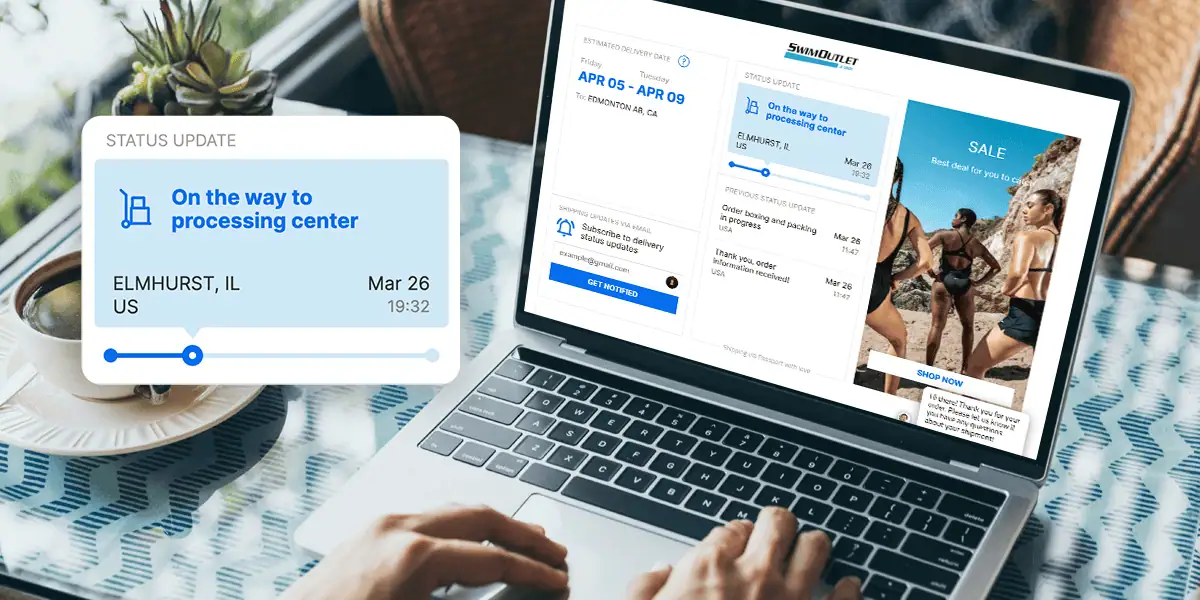
- Customer Support as a Dialogue: Shipping is more than just a physical process; it’s an ongoing conversation with your customer. Offering proactive updates, addressing questions, and resolving issues promptly can create a positive shipping experience.
- Customs and Duties: Dealing with customs can be a hassle for customers.Many brands choose to outsource this burden to a compliance partner. While traditional Merchant of Record (MOR) models take over the entire checkout transaction—often compromising direct cash flow and storefront flexibility—a Seller of Record (SOR) Compliance Strategy provides complete indirect tax handling while allowing your brand to maintain full control over your customer data, checkout stack, and pricing margins.
- Packaging: Your package represents your brand in the customer’s hands. Thoughtful, personalized packaging can create a memorable unboxing experience and enhance brand perception.
You may already know a lot of this from your domestic success in serving your customers. While the remainder may seem intimidating or complex when it comes to international shipping – it doesn’t have to be.
How The Right International Shipping Partner Can Enhance Customer Success
Optimized customer success within your international shipping doesn’t have to feel like a maze. In fact, it’s not one.
But a strategy for addressing its complexities can often benefit from outsourcing your brand’s implementation to a reliable partner who can navigate this unfamiliar terrain more effectively.
A good shipping partner will offer a comprehensive solution that covers all aspects of international shipping, while keeping your customers at the heart of it all.
Case Study: How Promix Nutrition Streamlined Global Operations
The financial and operational impact of optimizing international customer success is clear in the performance milestones of major DTC brands. Wellness and nutritional supplement brand Promix Nutrition faced severe cross-border expansion hurdles as global demand for their products began to scale. Navigating distinct foreign ingredient restrictions, variable personal-use thresholds, and localized pricing structures was heavily burdening their internal teams.
By partnering with Passport Global to implement a fully compliant cross-border program, Promix integrated localized checkout parameters, automated compliance reviews, and transparent duty-paid delivery workflows. By eliminating the friction surrounding international delivery and providing a predictable customer experience, the brand achieved:
- 200% higher international conversion rates.
- 40% growth in international repeat customers.
- 167% growth in international website traffic.
- Seamless expansion into dozens of international markets with total operational confidence.
How Passport Can Help
Exceptional global ecommerce execution is built at the local level. True international customer success means adapting the post-purchase funnel to meet regional buyer expectations seamlessly.
By offloading the complex, shifting regulations of global tax compliance, product classification, and international carrier coordination to an experienced cross-border partner, you shield your business from margin compression and legal risk. More importantly, it empowers your team to remain focused on your core business operations while delivering a premium, reliable shopping experience to your customers—no matter where they are in the world.
Ready to build a predictable, customer-centric global shipping program? Request a Passport Demo to analyze your brand’s international strategy and unlock scalable growth.
Frequently asked Questions
How does international shipping affect customer loyalty?
International shipping affects customer loyalty because it shapes the customer’s first real post-purchase experience with your brand. If the order arrives on time, tracking is clear, and there are no surprise fees, customers are more likely to trust your brand and buy again.
If the experience is confusing, delayed, expensive, or poorly supported, customers may hesitate to place another international order.
Why should customer success teams care about international shipping?
Customer success teams should care about international shipping because delivery issues directly affect satisfaction, retention, and repeat purchase. International customers often have questions about duties, taxes, tracking, customs delays, and returns.
When support teams understand the shipping experience, they can answer questions more confidently and resolve problems faster.
What do international customers expect from ecommerce shipping?
International customers expect clear pricing, realistic delivery timelines, reliable tracking, proactive communication, and helpful support if something goes wrong. They also want to know whether duties and taxes are included before they complete their purchase.
Customers do not always expect international shipping to be as fast as domestic shipping, but they do expect the brand’s promises to match the actual experience.
What is landed cost, and why does it matter?
Landed cost is the total cost of getting an order to the customer. It can include the product price, shipping fees, duties, taxes, brokerage fees, and other import-related charges.
Showing landed cost upfront helps international shoppers make informed decisions. It also reduces surprise fees, refused deliveries, support tickets, and customer frustration.
What is the difference between DDP and DDU shipping?
DDP, or Delivered Duty Paid, means duties and taxes are collected upfront, usually at checkout. The customer should not receive a separate bill when the package arrives.
DDU, or Delivered Duty Unpaid, means duties, taxes, or other import fees may be collected from the customer after the package reaches the destination country.
For customer loyalty, DDP often creates a better experience because the total cost is clearer before purchase.
How can brands reduce international shipping complaints?
Brands can reduce international shipping complaints by setting accurate delivery expectations, showing duties and taxes clearly, providing reliable tracking, sending proactive updates, and making support easy to reach.
Behind the scenes, brands should also use accurate HS codes, product descriptions, country-of-origin data, and declared values to reduce avoidable customs delays.
Why is tracking so important for international orders?
Tracking is important because international orders often pass through multiple carriers, customs checkpoints, and handoff points. Without clear tracking, customers may worry that their package is lost or delayed.
End-to-end tracking gives customers confidence and reduces “where is my order?” support requests.
How can proactive communication improve customer retention?
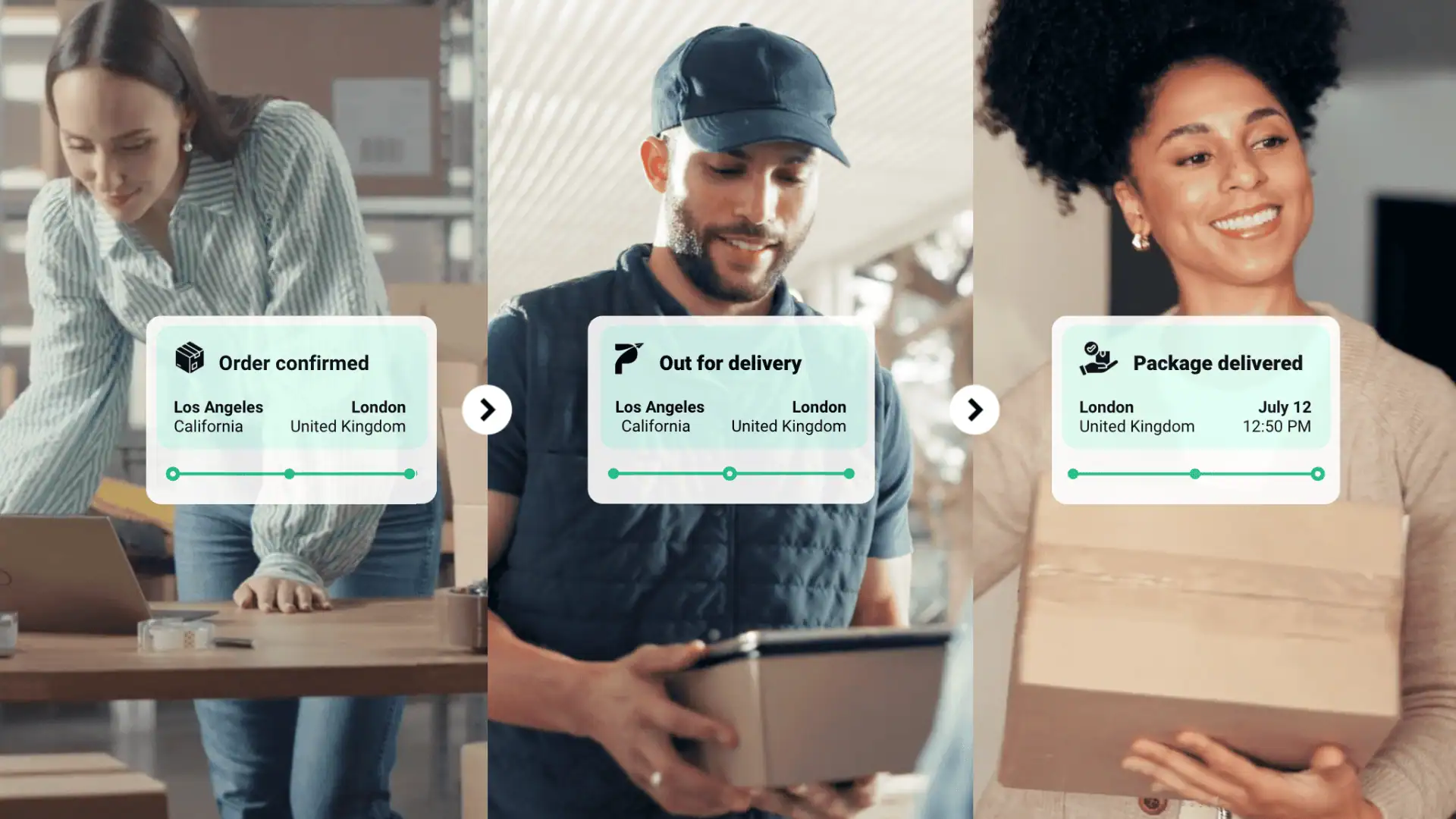
Proactive communication helps customers feel informed before they need to contact support. Updates about order confirmation, shipment, customs movement, delays, and delivery reassure customers that the brand is managing the process.
When a problem occurs, proactive communication can turn a frustrating shipping issue into a trust-building moment.
What role does packaging play in international customer loyalty?
Packaging affects both product protection and brand perception. International orders may travel farther and pass through more handling points, so packaging should protect the product during transit.
A thoughtful unboxing experience can also make the customer feel valued, which can encourage repeat purchases and positive word of mouth.
How should brands handle international shipping delays?
Brands should communicate delays quickly, explain what is happening in plain language, and give customers a realistic next step. If the package is delayed at customs, customers should know whether action is needed or whether the shipment is still moving through the process.
Clear delay communication helps prevent frustration and reduces the chance of negative reviews or chargebacks.
Do international returns affect customer loyalty?
Yes. A confusing or expensive return process can make international customers less likely to buy again. Even if international returns are more limited than domestic returns, brands should explain the policy clearly before purchase.
Customers should know whether returns are accepted, who pays return shipping, whether duties and taxes are refundable, and how to start the process.