




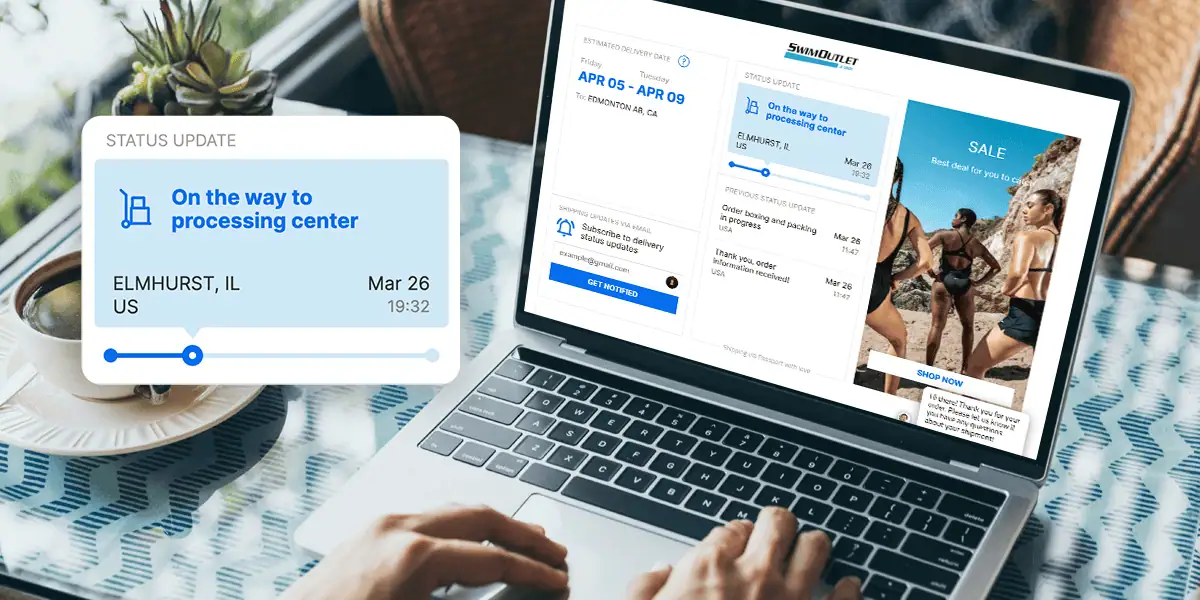

Global ecommerce has crossed the $6 trillion mark and according to Shopify, cross-border commerce is now growing faster than domestic sales in many regions. As more shoppers buy from brands outside their home country, the opportunity for global sales continues to accelerate.
But international demand alone doesn’t guarantee conversion. The final moments before checkout are a critical turning point and as global ecommerce scales toward 2026, even small points of friction in pricing, duties, taxes, or currency can quietly derail purchases. The cost of a confusing or inconsistent checkout experience is becoming harder to ignore.
International Transactions Amplify Cart Abandonment
Cart abandonment remains one of the most persistent challenges in ecommerce. Based on UX research analyzed by the Baymard Institute, roughly 70% of online shopping carts are abandoned on average, highlighting how often shoppers leave before completing a purchase.
That challenge becomes more pronounced in cross-border transactions. International checkouts introduce additional layers of complexity — including pricing considerations tied to duties and taxes, delivery timelines affected by customs requirements, and payment preferences that vary across regions — all of which can increase hesitation during the purchase process.
As international ecommerce continues to grow, these challenges carry greater weight. What may once have been tolerated as a minor inconvenience is increasingly shaping whether global interest converts into revenue or ends in an abandoned cart heading into 2026.
Top Reasons Global Shoppers Abandon Carts
Online shoppers often don’t complete a transaction not because they lose interest, but because something at checkout gives them pause. Data from the Baymard Institute shows that unexpected extra costs, including shipping fees, taxes, and duties, are the most common reason shoppers abandon carts. When those unexpected charges appear late in the purchase process, they undermine confidence at the moment a shopper is deciding whether to proceed.
For international customers, there are even more barriers beyond surprise expenses. Limited or unfamiliar payment options, delivery uncertainty driven by long transit times or vague estimates, currency confusion, lack of localization, and unclear return or refund policies all contribute to a higher perceived risk at the final step. As shoppers compare options across borders more frequently, even small gaps in clarity can derail an otherwise strong intent to buy.
Why These Issues Are Becoming Harder to Ignore
Cart abandonment has long challenged ecommerce brands, but its impact is intensifying as more profit becomes tied to cross-border sales, making international checkout shortcomings harder to overlook.
At the same time, tariffs, taxes, and regulatory requirements are becoming more visible to consumers, heightening sensitivity to total landed cost. Shoppers are also more price- and speed-conscious than ever, expecting the same level of price transparency and delivery reliability internationally as they experience domestically.
Plus, the rise of social commerce and international marketplaces is further raising the bar. As shoppers discover brands through global platforms and compare experiences across regions, they apply the same standards everywhere — regardless of where a brand is based. What once may have passed as acceptable is now more likely to push buyers elsewhere.
International Checkout Standards for 2026
As global demand continues to accelerate, checkout is emerging as a key point of differentiation. Buyers are no longer willing to navigate unnecessary complexity and increasingly expect ecommerce experiences to feel intuitive and seamless.
Heading into 2026, several standards have become clear:
Clear Landed Costs
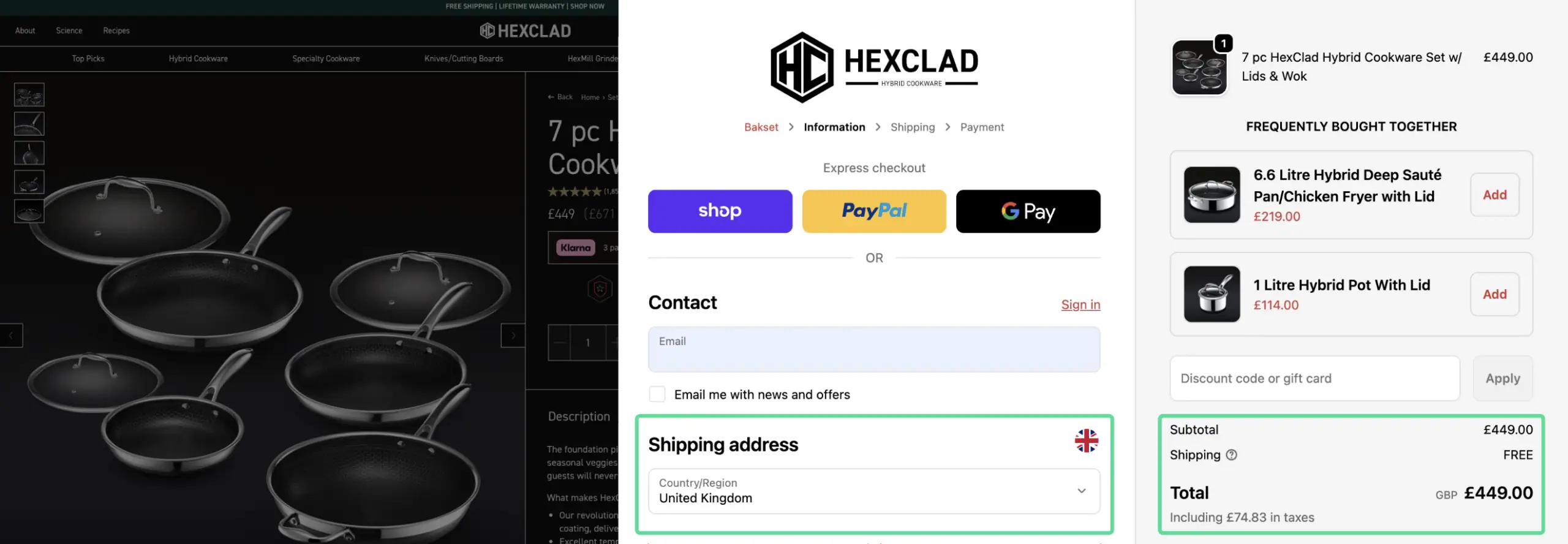
Customers expect duties, taxes, and fees to be visible early in the purchase journey, and charges that appear after payment details are entered are no longer viewed as a normal part of shopping with a global brand. Duty-paid shipping models are also becoming a baseline in many international markets. By handling duties and taxes upfront, delivered-duty-paid (DDP) shipping helps international checkout feel more aligned with domestic buying experiences.
Beyond early cost visibility, pricing expectations can vary by region. In markets where taxes are typically included in listed prices, breaking them out late in checkout can be confusing for buyers. Aligning how product pricing and shipping costs are presented with local norms is becoming just as important as surfacing total cost upfront to maintain trust and reduce drop-off.
By introducing duty- and VAT-inclusive pricing in key markets, Ogee better aligned checkout pricing with buyer expectations while growing margin, scaling international sales 10X during peak season.

Payment Methods Matter
Payment preferences differ significantly across markets, making a single, standardized checkout experience increasingly ineffective for global audiences. According to Worldpay’s Global Payments Report, digital wallets, bank transfers, and other local payment methods account for a substantial share of online transactions.
Expanding payment options to reflect those local behaviors can deliver measurable results. Stripe reports that businesses offering additional relevant payment methods saw an average 7.4% increase in conversion and a 12% lift in revenue. In certain markets, the impact is even more pronounced. For example, Stripe found that offering Alipay to customers in China led to conversion increases of up to 91%, underscoring how closely checkout performance is tied to local payment habits.
Reliable & Faster Delivery
While same-day delivery may not be realistic everywhere, shoppers increasingly expect timelines they can understand and rely on. Ambiguity around shipping speed or customs processing introduces uncertainty that many buyers are no longer willing to accept.
As a result, more brands are exploring in-country fulfillment and local inventory strategies to improve delivery speed and consistency in high-demand markets.
Real-World Example: Ridge
Ridge transformed international demand into a consistent eight-figure business by localizing inventory and delivery — eliminating customs delays and creating a buying experience that matched local expectations.

Localized Experiences
Currency, address formats, language, and region-specific requirements are no longer nice-to-have features. Shoppers expect checkout to feel familiar and intuitive, even when purchasing from an international brand.
Easy Returns
Clear return instructions, predictable timelines, and local return options are becoming an important trust signal. Shoppers want reassurance that returns won’t be complicated or costly.
What Winning Brands Are Getting Right
International checkout is emerging as a competitive differentiator that many brands still underestimate. Shoppers increasingly expect clarity around what they’ll pay, when they’ll receive their order, and a seamless experience from start to finish, regardless of where a seller is based.
In a global marketplace where buyers can compare experiences across borders in seconds, checkout is no longer a background detail. Brands that fail to meet these rising standards risk losing international demand at the point of purchase, while those that adapt are positioned to turn checkout into a lasting advantage.

Authored by Casey Bright
VP of Marketing | Passport
Casey Bright, an accomplished marketing leader with 15+ years of experience, specializes in brand and demand building for B2B and B2C global companies. Proficient in go-to-market, inbound, and demand generation strategy, she collaborates with sales, product, and RevOps teams to fuel revenue growth. Previously at Flock Freight, Casey achieved over 3x acquisition growth. Her diverse experience includes roles at Coyote Logistics, USG, and agency work for global brands like John Deere.
Frequently Asked Questions
Why do shoppers abandon carts when buying internationally?
Shoppers often abandon carts during international purchases due to unexpected duties and taxes, unclear total cost, limited payment options, long or uncertain delivery timelines, and lack of localization. These factors increase perceived risk, even when interest in the product is strong.
Is cart abandonment higher for international ecommerce than domestic?
Yes. Cross-border transactions introduce additional complexity around pricing, payments, delivery, and returns, which can contribute to higher cart abandonment rates compared to domestic ecommerce.
What is the biggest cause of cart abandonment globally?
Unexpected extra charges — such as shipping fees, taxes, and duties — are the most common reason shoppers abandon carts worldwide.
How does international checkout impact ecommerce conversion rates?
International checkout plays a significant role in conversion. When pricing, payments, or delivery details feel unclear, shoppers are more likely to exit before completing a purchase. Improving clarity and localization at checkout can help reduce drop-off for global shoppers.
How do shopper expectations differ between domestic and international ecommerce?
While shoppers expect speed and transparency in both domestic and international ecommerce, cross-border purchases carry higher perceived risk. International shoppers place greater emphasis on total cost clarity, payment familiarity, delivery reliability, and returns reassurance.
How are international checkout expectations changing in 2026?
Shoppers increasingly expect international checkout to feel as seamless as domestic ecommerce. This includes early visibility into total cost, familiar payment options, reliable delivery timelines, and intuitive localization across the experience.
Why do local payment methods matter for international checkout?
Payment preferences differ across markets. Offering familiar local payment methods helps reduce hesitation and improves conversion, as shoppers are more likely to complete purchases using payment options they trust.
Why is international checkout becoming a competitive advantage?
As more ecommerce revenue comes from cross-border sales, checkout has become a key point of differentiation. Brands that deliver clarity and consistency at checkout are better positioned to convert international demand.
What does landed cost mean in international ecommerce?
Landed cost refers to the total cost of an international order, including the product price, shipping, duties, taxes, and any additional fees incurred before delivery.
Why is localization important for international ecommerce checkout?
Localization helps international shoppers feel confident that a brand understands their market. Elements like currency display, address formats, language, payment methods, and pricing presentation all contribute to a more intuitive experience.