




One of the first steps in international expansion is understanding where your products can be shipped.
Every country has its own rules about which products can enter the market. Some items are prohibited entirely, while others may be allowed only if they meet specific requirements, such as licenses, certificates, permits, ingredient reviews, labeling rules, or other documentation.
Knowing these rules upfront can help brands avoid denied entries, returns, abandoned shipments, disposal fees, or fines. It can also create new opportunities. Many businesses discover that, with the right product details and compliance strategy, they can successfully reach more international customers than they originally expected.
Understanding Import Restrictions: What Ecommerce Brands Need to Know Before Shipping Internationally
Prohibited vs. Restricted Products
Import restrictions can vary widely from country to country, and it’s important to be aware of the distinction between “prohibited products” and “restricted products.”
While these terms may sound similar, they have distinct meanings and implications. Some products may be prohibited altogether, meaning they cannot be imported under any circumstances, while others may be imported under certain conditions. Prohibited products are strictly forbidden to be imported into that country because they are considered to be dangerous, illegal, or carry health, security, or environmental risks. Restricted products are not prohibited outright, but may be imported if they comply with additional regulations. These products are subject to stricter scrutiny and may require licenses, certificates, permits, or other documentation to be imported.
Customs Rules vs. Product Market Restrictions
Shipping products internationally requires compliance with both customs & trade rules as well as market restrictions by product. These regulations vary by country and can be complex to interpret. For example, some countries prohibit the importation of cosmetics, while others restrict the ingredients, chemicals, and even concentration level. A product may clear customs, but face regulatory enforcement from the local health authority if market licensing and notification requirements are not followed.
Commonly Prohibited Product Categories
The list of prohibited products is extensive and varies across countries due to legal, safety, or logistical restrictions. While it is not exhaustive, here are some examples of commonly prohibited items in international shipping:
Firearms, Ammunition, and Weapons
Shipping firearms, ammunition, firearm accessories, and anything that could be considered a weapon is heavily restricted or prohibited.
Controlled Substances
Drugs, narcotics, certain medications (prescription and non-prescription), and even CBD are generally not allowed to be shipped internationally without proper authorization.
Animal Products
Health authorities are very strict on prohibiting the import of Products of Animal Origin (POAO) as they may pose safety risks.
Perishable Food Items
Fresh or perishable food items, such as fruits, vegetables, and dairy products, pose similar health risks and are subject to strict customs regulations.
Pet Food & Treats
Many countries prohibit the import of pet food and treats because of the potential health risk to humans as these products are often made from animal parts that could carry diseases.
Alcoholic beverages
Beer, wine, spirits, and other beverages containing intoxicating substances require a license to manufacture, sell, distribute, and import.
Currency and Monetary Instruments
Shipping coins, cash, and even precious metals internationally can be restricted or subject to reporting requirements to prevent money laundering and illicit activities.
Agricultural Products
Most agricultural products, such as plants, seeds, fruits, and vegetables are prohibited to prevent the spread of pests, diseases, or ecological damage.
Tobacco, Vapes, ENDS
Tobacco products are highly restricted, as are electronic nicotine delivery system (ENDS) products and accessories like vapes and electronic cigarettes.
Military Equipment
Products that can have a military application, even night-vision goggles, certain electronics, lasers, sensors, navigation systems, advanced computing systems, and encryption software are highly regulated.
Restricted Products: What Ecommerce Brands Should Watch Closely
Restricted products are more nuanced because the regulations and requirements can vary by carrier, customs clearance program, and even distribution channel.
For example, some countries have a “personal use exemption” that allows consumers to import restricted products for their personal use, so long as the quantity is limited and the product is not intended to be re-sold.
ther countries only require import permits for restricted products if the quantity or value of the shipment means it must use a formal customs clearance program.
For direct-to-consumer (DTC) Brands, the three biggest product categories that often have additional import requirements are Vitamins & Supplements, Cosmetics & Personal Care, and Food & Beverage. For all of these categories, the specific ingredients, chemicals, formulas, and concentrations often govern whether the product can be imported, or whether it will require an import permit or even a local distributor to act on the merchant’s behalf.
Dangerous Goods and Transportation Restrictions
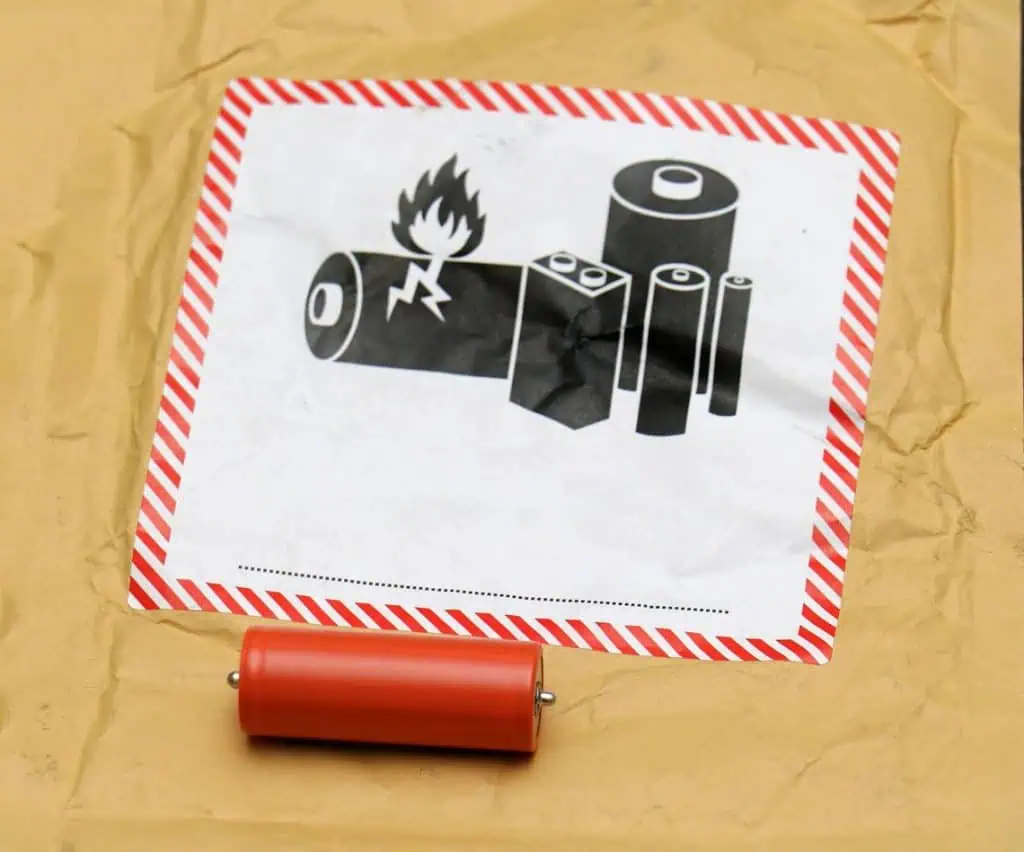
Another consideration is whether your products are Dangerous Goods that could be flammable or corrosive. These products must follow strict “dangerous goods” requirements and are generally prohibited from being transported on passenger aircraft. The most common dangerous goods are li-ion batteries, perfume, and nail polish as they are all flammable.
How Brands Can Prepare Before Entering a New Market
Before shipping internationally, brands should review their product catalog and identify which items may be prohibited, restricted, or subject to additional documentation.
- A good market-readiness review should include:
- Product type and intended use.
- Ingredient, material, or formula details.
- HS code classification.
- Country-specific import restrictions.
- Carrier restrictions.
- Dangerous goods status
- Required permits, licenses, or certificates
- Labeling or market notification requirements
- Whether personal-use exemptions may apply
This process helps brands understand which products can ship, which products need additional preparation, and which markets may require a different go-to-market approach.
How Passport Can Help
Passport’s team of licensed customs brokers and trade advisors can help you understand the customs and trade regulations for your products. From proper commodity classification and description of goods to reduced customs holds to an evaluation of restrictions and prohibitions by product, our goal is to help you be successful in selling to international consumers.
If you’re interested in learning more, contact our team here.
Frequently Asked Questions
What are import restrictions?
Import restrictions are country-specific rules that determine whether certain products can enter a market. Some products may be prohibited entirely, while others may be allowed only if they meet additional requirements, such as permits, licenses, certificates, ingredient reviews, labeling rules, or other documentation.
What is the difference between prohibited and restricted products?
Prohibited products cannot be imported into a country under any circumstances.
Restricted products may be imported, but only if they meet specific requirements. These requirements may vary by country, product type, quantity, value, ingredients, or intended use.
Why do import restrictions matter for ecommerce brands?
Import restrictions help determine where a brand can sell and ship its products. Understanding these rules before launch can help reduce the risk of denied entry, returned shipments, abandoned packages, disposal fees, fines, or customer experience issues.
Can a product clear customs but still violate local product rules?
Yes. Customs clearance and product compliance are related, but they are not the same. A product may clear customs but still face enforcement from another local authority if it does not meet market-specific requirements, such as health, safety, agriculture, labeling, or product notification rules.
What products are commonly prohibited or heavily restricted in international shipping?
Common examples include firearms, ammunition, weapons, controlled substances, certain medications, CBD products, products of animal origin, perishable foods, pet food and treats, alcohol, cash and monetary instruments, agricultural products, tobacco, vapes, ENDS products, and military or dual-use equipment.
Are restricted products always off-limits?
No. Restricted products are not necessarily off-limits. Many can be imported if the right requirements are met. Depending on the market and product, this may include permits, licenses, certificates, ingredient checks, formula reviews, labeling updates, market notifications, or a local distributor.
Which product categories should DTC brands review most closely?
Direct-to-consumer brands should pay close attention to categories such as vitamins and supplements, cosmetics and personal care products, and food and beverage products. These categories often depend on specific ingredients, formulas, concentrations, intended use, and labeling requirements.
What are dangerous goods?
Dangerous goods are products that may pose risks during transportation because they are flammable, corrosive, explosive, or otherwise hazardous. Common examples include lithium-ion batteries, perfume, and nail polish. These products may require special packaging, labeling, documentation, or carrier approval.
Can personal-use exemptions help ecommerce brands ship restricted products?
In some countries, personal-use exemptions may allow consumers to import limited quantities of restricted products for personal use. However, these rules vary by country, product type, quantity, and value. They usually do not apply to products intended for resale.
How can brands check whether their products can be shipped internationally?
Brands should review the product type, intended use, ingredients or materials, HS code classification, destination-country restrictions, carrier restrictions, dangerous goods status, and any required permits or documentation before entering a new market.