





cln29p8aj0qrr3yewjtvfdl9s-blog-images-6.full
Health & Wellness Last Updated July 6, 2026

Wellness Without Borders: How to Sell and Ship Supplements Internationally

Get expert tips on how to successfully sell and ship wellness supplements internationally, from navigating shipping to optimizing customer experience.

The global dietary supplements market is projected to reach over $230 billion by 2027.

There’s a good reason for this. Given their small size and light weight, supplements and wellness products are highly-suited for international shipping. And while market regulations may vary by country, it’s worth noting that in many regions these rules aren’t nearly as complex as, for instance, those for prescription drugs. 

That’s a lot of opportunity for wellness brands to spread their influence, make an impact, and boost their bottom line. But to make the most of these prospects, brands must execute just as successfully with their international shipping as they do when shipping domestically.

The Role of International Shipping in Supplement Brand Growth

Here are some key elements to consider when determining how to navigate international expansion for your supplements brand:

Consider Your Value Propositions From a Fresh Angle

While customers are often ready to invest in wellness products, brands should take a fresh look at how they position the value of their offerings to different cultures. 

Much of what works domestically may translate, but consider also how your overall international value proposition extends beyond your products—including when it comes to transparent and competitive pricing. 

Particularly with it comes to shipping fees and import duties, put yourself in the shoes of your prospective customers, and then make any necessary added efforts for assuring them that their personal investment into your products will be worthwhile. 

Deeper Customer Connections, Across the World

Swift responses tailored to individual concerns, empathetic handling of problems, and personalized interactions all create an experience that makes your global customers feel truly valued. This moves your international shipping beyond transaction, and into a transformational process for deepening the connection between you and your customers.

In a market flooded with choices, this relationship-centric approach can foster deeper loyalty, turning your customers into advocates and setting your brand apart in the crowded supplement industry. 

Standout International Shipping as a Growth Strategy

Efficient, reliable shipping – in addition to representing a logistical consideration – can also be a strategic growth lever. 

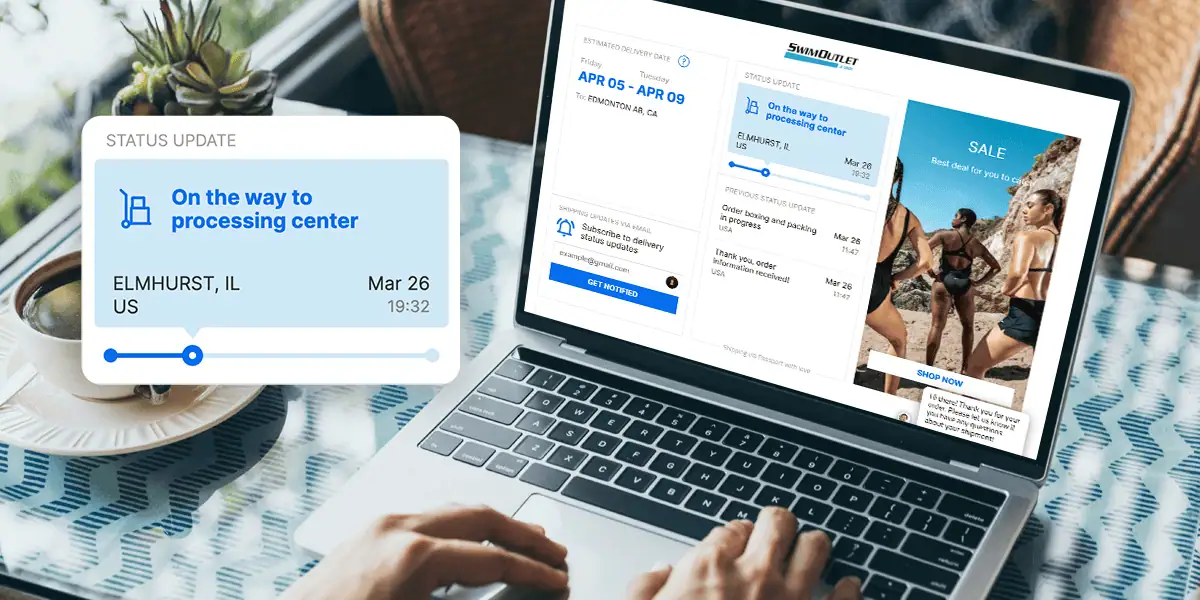
By ensuring timely deliveries and proactive communication about delivery status, brands can build a strong customer base, boost customer satisfaction, and ultimately drive global growth.

As with domestic growth, each successful delivery to new markets outside your base country is an opportunity for a repeat purchase and could become a stepping stone towards broader market recognition. While it may take some added up-front effort to mimic domestic success in this way (although not as much as you may think, with the right partner(s) on your side), efficient and informed global expansion will pay for itself and then some over time.

And with those aforementioned small form factors and lighter weight items on your side, supplement brands can also leverage opportunities in international shipping to cost-effectively explore new markets without overcommitting resources, widening your customer base and potential for increased order volume.

In essence, well-optimized international shipping can turn a logistical task into a competitive edge, helping you to establish your brand globally in the supplement industry. The question then arises, though, as to how to arrive at or cultivate this optimized state when shipping your supplements globally.

Key Factors to Consider When Navigating International Supplement Shipping 

At Passport, we’ve identified several common factors to assure a smooth and profitable expansion into international markets. These same factors would also help you get started with an internal audit, if you’re already shipping internationally but aren’t seeing the results you need.

  • Transparent Pricing: Unexpected costs can turn an online checkout from a joy to a jolt. Clearly outlining all taxes, duties, and shipping fees in the final cost can keep surprises at bay, potentially reducing cart abandonment rates for cross-border shipments. For these reasons, consider Delivered Duties Paid (DDP) pricing for your supplement brand. Or communicate costs clearly if Delivered Duties Unpaid (DDU) needs to be the method for you.

For further information read our DDP vs. DDU guide

  • Reliable Delivery: The journey towards better wellness, for your customers, extends beyond the simple act of purchasing. Reliable and predictable delivery becomes an essential part of your customer’s wellness routine, encouraging satisfaction and recurring business. Delivering packages within their original estimated delivery window is crucial to satisfying your eager international customers.
  • Effective Customer Support: Communication, again, is key here. Whether it’s proactively sharing order status updates or promptly addressing concerns, these interactions can significantly uplift your customer’s experience and form positive brand associations. Again, there may be a few added steps compared to your domestic customer support process, but these can be integrated and/or automated into your current domestic practices, with some work and maybe some help.
  • Fair Returns: As a category, supplements can yield varying results for different individuals. Having an easy, fair returns policy can encourage customers to try your products with less hesitation, knowing they have a safety net. Should this prove difficult for your brand, consider a combination of other policies for dissatisfied customers that balance your short and long term business interests.
  • Clearing Customs: The world of supplements can sometimes require contending with country-specific regulations, which might initially seem daunting. Guiding customers through this process, or ensuring it’s properly handled by your shipping partner(s), simplifies their journey and positions your brand as a reliable, customer-focused entity.
  • Unforgettable Packaging: In the supplement market, where repeat purchases are commonplace, every unboxing is an opportunity to reinforce a positive relationship with your brand. Thoughtful, personalized packaging can leave a lasting impression and amplify this experience. This doesn’t have to require an outsized amount of work or expense. It can be as simple as creating convenient packaging that adequately protects your product, perhaps also minimizes environmental waste, and which the customer finds easy to handle when unwrapping.

Your particular mileage may vary for your own brand and products, when it comes to these factors. But taking a fresh look at how your offerings and plans measure up will likely go a long way to optimizing yourself for international shipping success.

Case Study: How Promix Turned International Demand Into Repeat Global Growth

Promix Nutrition is a fast-growing health and wellness brand known for premium supplements, functional nutrition products, and a lean operating model. As demand grew from international customers, creators, and athletes, Promix saw a clear opportunity to expand beyond the U.S. But like many supplement brands, the company needed more than international interest. It needed an international shopping and delivery experience that could actually convert.

Before working with Passport, Promix faced several common challenges for supplement brands selling globally. International conversion was limited, heavy products made shipping more expensive, customs and documentation requirements created delivery friction, and country-specific supplement compliance was difficult to navigate. These issues made it harder to invest confidently in international growth.

With Passport Global Cross-Border Management, Promix launched a more localized, duty-paid international experience. Passport helped Promix offer market-specific storefront experiences, clearer pricing, local currency, duties and taxes shown upfront, more reliable cross-border delivery, and hands-on operational support.

The results show what is possible when supplement brands treat international shipping as a growth strategy rather than a back-office function. With Passport, Promix increased international conversion by 200%, reached a 40% international repeat customer rate, grew international web traffic by 167%, and expanded into dozens of international markets with more operational confidence.

For Promix, the biggest unlock was trust. International customers could see the full cost of their order upfront, avoid surprise fees at delivery, and receive a more predictable shipping experience. That improved checkout and delivery journey helped turn first-time international buyers into repeat customers and gave Promix the confidence to scale international marketing investment.

Partner with an International Shipping Expert for Enhanced Customer Success

Although nothing we’ve covered today should prove too complicated to your international expansion, busy supplement brands may still encounter enough complexity in execution that it might make sense to outsource your global shipping to a proven partner.

Partnering with an expert in international shipping can provide numerous benefits, such as:

  • Navigating International Regulations: Understanding and complying with global customs rules and product regulations can be a complex task. An expert partner can handle this for you.
  • Enhancing Operational Efficiency: Outsourcing international shipping can free up resources, enabling your team to focus on core business functions and growth.
  • Offering End-to-End Transparency: Expert shipping partners can provide full transparency in pricing, tracking, and delivery – enhancing the customer experience.
  • Mitigating Risk: With their experience and networks, shipping partners can better manage and mitigate the risks associated with international shipping, including lost or damaged packages.

This sort of partnership doesn’t signify a lack of control or influence on your part, when it comes to global expansion efforts. Rather, it can represent a strategic decision to optimize resources and capitalize on the expertise of others to provide a seamless global shopping experience for your customers.

As evidence, check out Passport’s success stories.

Reach out to our team anytime you’re ready to add or optimize international shipping for your own supplement brand.

Frequently Asked Questions 

Can supplement brands sell internationally?

Yes, supplement brands can sell internationally, but every destination country may have its own rules for ingredients, product classification, labeling, health claims, customs clearance, duties, taxes, and import restrictions. Before opening a new market, brands should confirm whether each product is allowed for sale and shipment in that country.

Are supplements easy to ship internationally?

Supplements are often well-suited for international ecommerce because they are usually small, lightweight, and easy to pack. However, they can still create compliance challenges. Vitamins, protein powders, capsules, herbal products, gummies, tinctures, and wellness formulas may be regulated differently depending on the destination market.

What should supplement brands check before shipping to a new country?

Before shipping supplements to a new country, brands should review product classification, ingredient restrictions, labeling rules, permitted claims, customs documentation, import duties and taxes, and whether any registrations or product approvals are required. A product that ships easily to one country may be restricted, regulated, or prohibited in another.

Why do supplement regulations vary by country?

Supplement regulations vary because each country defines and regulates wellness products differently. A product may be treated as a dietary supplement in one country, a natural health product in another, and a medicine or therapeutic good somewhere else. Classification often depends on the product’s ingredients, dosage, format, intended use, and marketing claims.

What supplement ingredients are commonly restricted internationally?

Restrictions vary by market, but brands should pay close attention to botanicals, stimulants, hormones, melatonin, CBD or hemp-derived ingredients, high-dose vitamins and minerals, probiotics, amino acids, weight-loss ingredients, and performance-enhancing ingredients. These categories often receive additional scrutiny from customs and regulatory authorities.

Can I use the same supplement label in every country?

Not always. Labeling requirements can vary significantly by country. Some markets require local language translations, specific nutrition or supplement facts panels, importer information, warning statements, dosage instructions, batch or lot details, expiration dates, or country-specific claims language. Brands should review labels before selling into each destination market.

Can supplement claims affect whether a product is allowed internationally?

Yes. Marketing claims can affect how a supplement is classified and whether it can be sold or imported. Claims that suggest a product treats, prevents, cures, or diagnoses a disease may cause the product to be regulated as a drug, medicine, or therapeutic product. Brands should review website copy, product pages, packaging, ads, influencer briefs, and marketplace listings before expanding internationally.

What is the difference between DDP and DDU shipping for supplements?

Delivered Duties Paid, or DDP, means duties and taxes are calculated and collected at checkout so the customer does not have to pay surprise fees on delivery. Delivered Duties Unpaid, or DDU, means the customer may be responsible for paying duties, taxes, or clearance fees when the package arrives. For supplements, DDP can help reduce delivery friction and improve the customer experience.

Why is transparent pricing important when selling supplements internationally?

Transparent pricing helps international customers understand the full landed cost before they buy. Unexpected duties, taxes, or shipping fees can lead to cart abandonment, delivery refusals, poor reviews, and customer support issues. Showing duties, taxes, and shipping costs clearly at checkout can help build trust and improve conversion.

Can supplements get stopped at customs?

Yes. Supplements can be delayed, inspected, refused, or returned if customs authorities identify issues with the product description, ingredients, label, claims, documentation, value, country of origin, or import eligibility. Customs risk is higher when a product contains restricted ingredients or is described inconsistently across invoices, labels, and product pages.

What customs information is needed to ship supplements internationally?

Supplement shipments should include accurate product descriptions, HS codes, values, country of origin, ingredient details when required, and any supporting documentation needed for the destination country. Product descriptions should be specific enough for customs authorities to understand what is being imported.

How can supplement brands reduce international delivery delays?

Brands can reduce delays by using accurate customs data, reviewing product eligibility before launch, offering transparent landed costs, selecting reliable shipping services, maintaining consistent product descriptions, and working with partners that understand supplement restrictions in key markets.

Are returns harder for international supplement orders?

Yes, international returns can be more complex for supplements because of product safety, customs, resale, and regulatory considerations. Some supplement products may not be eligible for resale after return. Brands should set clear international return policies and consider alternatives such as refunds, replacements, or store credit depending on the market and product type.

Which countries are best for supplement brands to expand into?

The best countries depend on demand, product category, regulatory requirements, shipping costs, duties, taxes, customer expectations, and local competition. Brands should start with markets where there is proven customer demand, manageable compliance risk, and a strong path to reliable delivery.

Should supplement brands test markets before investing in local fulfillment?

Yes. Cross-border shipping can be a useful way to test international demand before committing to local warehousing or in-country fulfillment. Once a market shows consistent order volume, brands can evaluate whether local inventory, domestic fulfillment, or a hybrid model would improve delivery speed, returns, and margins.

How can supplement brands improve customer experience for international shoppers?

Supplement brands can improve international customer experience by showing clear landed costs at checkout, offering reliable delivery estimates, sending proactive tracking updates, providing responsive customer support, setting clear return policies, and packaging products securely for cross-border transit.

Do supplement brands need an international shipping partner?

An international shipping partner can help supplement brands manage customs complexity, duties and taxes, delivery visibility, customer communication, and market-specific shipping requirements. For brands that want to scale globally without building every compliance and logistics process in-house, working with an experienced partner can reduce risk and improve operational efficiency.

How does Passport help supplement brands ship internationally?

Passport helps ecommerce brands simplify international shipping with support for cross-border delivery, duties and taxes, customs clearance, tracking visibility, customer experience, and global expansion strategy. For supplement brands, Passport can help create a more transparent and reliable international shipping experience while reducing the operational burden on internal teams.