

As de minimis exemptions narrow or disappear across major ecommerce markets, global brands need a more resilient way to protect margins, manage customs complexity, and keep delivering a strong customer experience.
For years, de minimis rules helped ecommerce merchants ship low-value orders across borders with reduced customs friction. These exemptions allowed qualifying shipments to enter certain markets through simplified processes, often lowering the cost and complexity of international direct-to-consumer fulfillment.
But that model is changing.
In the U.S., duty-free de minimis treatment for low-value commercial shipments is no longer a reliable foundation for cross-border growth. China and Hong Kong shipments lost de minimis eligibility in May 2025, and broader U.S. restrictions followed later that year. In the EU, the €150 customs duty exemption for low-value imports ended on July 1, 2026, adding new cost and compliance pressure for cross-border ecommerce.
For merchants, the takeaway is clear: relying on low-value import exemptions as the foundation of international growth is becoming riskier.
As the global ecommerce landscape enters a post-de minimis era, brands need fulfillment models that can adapt to changing trade rules while supporting profitable growth. One of the most effective options is in-country enablement.
In-country enablement allows brands to import inventory into a destination market in bulk, store it locally, and fulfill customer orders domestically. For the right products and markets, this model can reduce customs friction, improve delivery speed, simplify returns, support compliance, and create a stronger foundation for long-term international growth.
What Is In-Country Enablement?
In-country enablement is an operating model that allows ecommerce brands to sell, fulfill, and support customers inside a destination market.
At its core, in-country fulfillment means storing inventory within the market where customers are located. Goods are imported in bulk, placed in a local warehouse or 3PL facility, and then shipped domestically once customers place orders.
But in-country enablement goes beyond fulfillment. Depending on the market and the merchant’s needs, it can also include:
- Bulk importation
- Customs clearance
- Importer of Record support
- Local warehousing
- Domestic fulfillment
- Local returns
- Merchant of Record services
- Tax compliance support
- Marketplace enablement
- B2B and wholesale support
In other words, in-country enablement helps brands treat a priority international market less like an export destination and more like a local growth market.
How It Works:
- Goods are shipped in bulk to the U.S. as inventory (not consumer orders).
- Customs value is based on the price paid to the manufacturer or supplier as the starting point, not the retail price.
- Goods are cleared as a single customs entry, reducing broker charges and customs fees.
- Goods are stored in U.S. warehouses and fulfilled domestically once sold.
A word of caution: Determining the value for customs is not always as simple as declaring the price paid to the foreign manufacturer or supplier. The “value for appraisement of merchandise exported to the United States” must follow one of the six approved valuation methods detailed in 19 CFR Part 152. These rules have many considerations and any number of variables can preclude one method – the Incoterms (International Commercial Terms), contracts, terms of sale, relationship between buyer and seller, whether the order was clearly destined for the U.S., and a host of other factors. And the valuation method must be supported by a clear document trail including purchasing agreements, purchase orders, commercial invoices, payment records, bills of lading, etc.
Looking for more information on the latest U.S. global trade changes? Visit TrumpTradeTracker.com for real-time updates.
How Passport Enables In-Country Fulfillment for Global Brands
The good news is that you don’t have to sort all of this out yourself. To make this model easy and accessible, Passport has built a full-service In-Country Enablement solution tailored to ecommerce merchants — especially those impacted by the end of de minimis.
Following our acquisition of Brand Access, Passport now provides a complete, modular solution for in-country operations in the U.S., including:
Bulk Importation & Customs Clearance
- Passport arranges ocean or air freight to the U.S. and acts as Importer of Record (IOR) if needed.
- All import paperwork is managed, including classification, customs valuation, and entry filing.
- Duties are declared at the lowest allowed customs value consistent with CBP guidance.
Warehousing & Fulfillment
- Inventory is stored and fulfilled via Passport’s 3PL partners.
- Passport helps merchants optimize warehouse placement and inventory levels across the U.S.
Sales Tax Compliance via Merchant of Record (MOR)
- Passport can serve as the official Merchant of Record, assuming responsibility for state and local tax compliance in all relevant jurisdictions.
- This removes the burden of sales tax registration and remittance for brands that don’t want to track 50+ state thresholds.
Whether you need the full stack or only select services, Passport’s infrastructure is modular and scalable, making it suitable for both high-growth startups and large enterprise merchants.
In-Country Enablement Does More Than Mitigate Duties
We call it In-Country Enablement because it is so much more than just “fulfillment.” This model unlocks far more than tariff relief. Brands that adopt this model benefit from:
Faster, Cheaper Delivery
- With stock located inside the U.S., merchants can offer 2–3 day delivery to most consumers — without international shipping costs.
- Last-mile costs are often 30–50% lower than cross-border shipping.
- This boosts conversion, reduces cart abandonment, and improves NPS.
Easier Returns and Customer Service
- Returns can be processed at a U.S. address, creating a seamless experience.
- Returned items can be restocked or refurbished instead of being written off — particularly valuable in high-return categories like footwear, apparel, and beauty.
Access to New Sales Channels
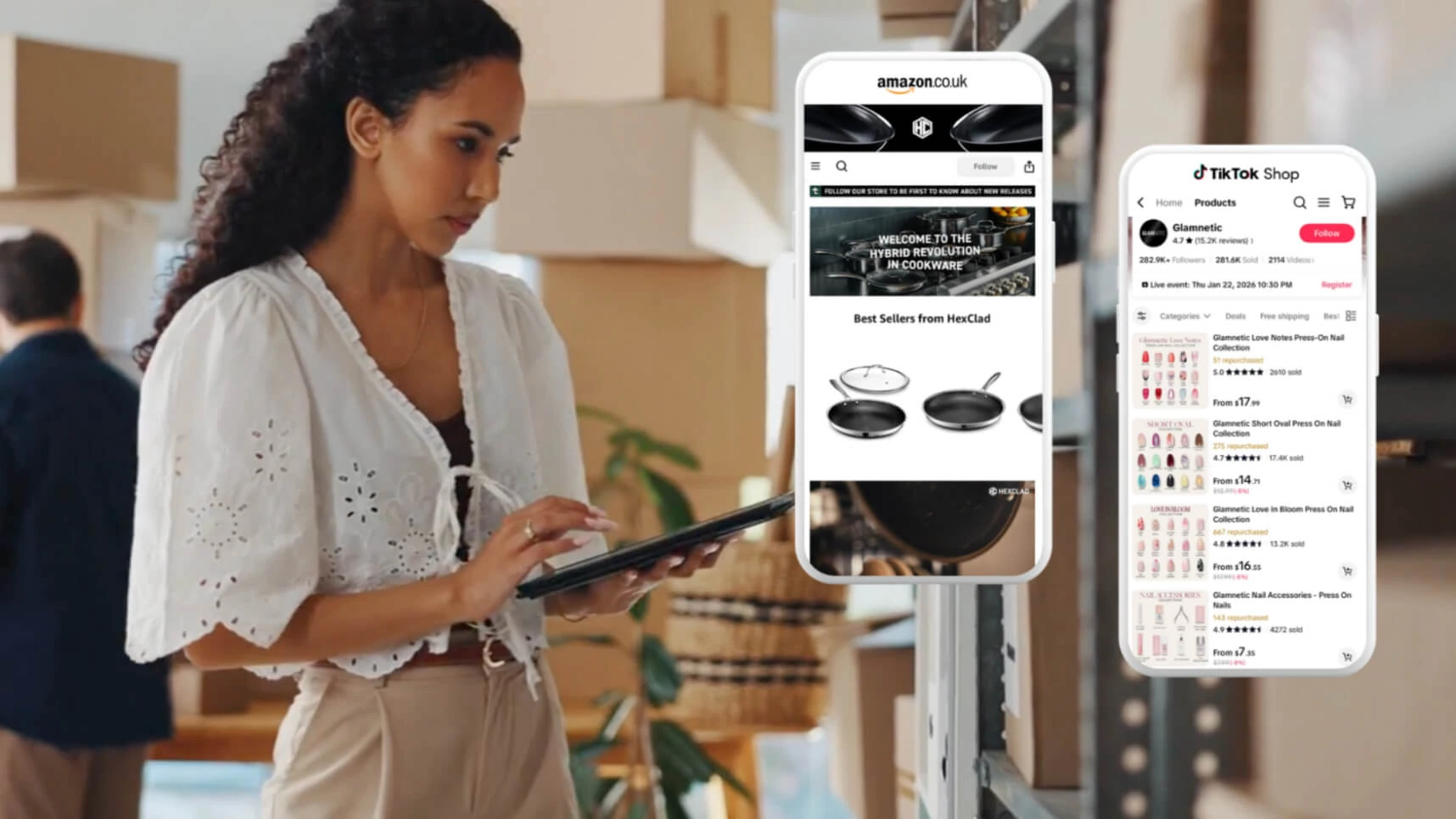
- U.S.-based inventory unlocks participation in marketplace fulfillment programs (e.g., Amazon FBA, Walmart Fulfillment Services).
- Enables wholesale and B2B opportunities with U.S. retailers and distributors.
Regulatory Confidence
- Inventory that clears customs in bulk under standard procedures reduces audit risk and eliminates grey-zone workarounds.
- There’s no need to rely on risky customs valuations, consumer-as-IOR setups, or multi-parcel splits to manage duties.
A Platform for Scalable U.S. Growth
- In-country enablement gives brands a strategic foothold in their most important international market.
- With local fulfillment, domestic returns, and optional MOR services in place, brands can treat the U.S. as a native market — not just an export destination.
The U.S. policy shift on de minimis may mark the end of an era — but it’s also the start of a smarter, more strategic one. Merchants who pivot to in-country fulfillment will not only protect their margins — they’ll improve customer experience, reduce compliance exposure, and unlock long-term growth.
When Should Brands Consider In-Country Fulfillment?
In-country fulfillment is not required for every brand, product, or market. But it becomes worth evaluating when a market has enough demand or complexity to justify local operations.
Brands should consider in-country enablement when:
- A destination market is already generating meaningful order volume
- Cross-border shipping costs are reducing margin or conversion
- De minimis changes increase duty, tax, or clearance exposure
- Delivery times are too slow or unpredictable for customer expectations
- Products have high average order value or meaningful duty exposure
- Products are bulky, heavy, regulated, restricted, or difficult to ship internationally
- Return rates are high and local returns would improve inventory recovery
- The brand wants to expand into marketplaces, wholesale, retail, or B2B channels
- The brand has enough demand predictability to store inventory locally
- The brand wants a more resilient model for changing trade policy
For many brands, the right approach is not an immediate full-market rollout. It may start with a limited set of best-selling SKUs, a priority market, or a product category where cross-border economics are already under pressure.
How Passport Helps Brands Adapt After De Minimis
Passport helps ecommerce brands evaluate and launch in-country enablement strategies in key global markets.
Whether a brand is responding to U.S. de minimis restrictions, preparing for EU changes, or building a more resilient international fulfillment model, Passport can help design the right operating structure.
Passport’s in-country enablement support is modular and scalable, so merchants can use the services they need based on market, product mix, operational maturity, and growth goals.
With Passport’s integrated services and global trade expertise, transitioning to in-country enablement is faster and more cost-effective than ever.
This article is provided for informational purposes only and does not constitute legal advice. Merchants are advised to consult with their customs broker and legal counsel to ensure compliance with all applicable laws and regulations based on their specific circumstances.
Frequently Asked Questions
What does the end of de minimis mean for ecommerce brands?
The end or narrowing of de minimis means qualifying low-value shipments may no longer receive simplified customs treatment. Ecommerce brands may face more formal customs entries, higher duty and tax exposure, additional brokerage or clearance fees, and longer or less predictable delivery timelines.
Why does in-country fulfillment become more important after de minimis?
In-country fulfillment becomes more important because it reduces reliance on individual cross-border parcel clearance. Instead of shipping each order internationally, brands import inventory in bulk, store it locally, and fulfill orders domestically.
Does in-country fulfillment eliminate duties after de minimis?
No. In-country fulfillment does not eliminate duties or taxes. It can help brands manage customs processes more efficiently and may reduce per-order clearance friction depending on the destination market, product classification, country of origin, valuation method, and import structure.
How can in-country enablement help protect margins?
In-country enablement can help protect margins by reducing international parcel shipping costs, limiting repeated brokerage or clearance fees, improving inventory recovery through local returns, and creating a more predictable landed-cost structure.
Is cross-border shipping still useful after de minimis?
Yes. Cross-border shipping can still be useful for testing demand, serving lower-volume markets, or selling products where local inventory does not yet make financial sense. Many brands use cross-border shipping for market entry and in-country fulfillment for markets with proven demand.
Which markets should brands prioritize for in-country fulfillment?
Brands should prioritize markets with strong order volume, high growth potential, high cross-border shipping costs, high return rates, marketplace opportunities, or meaningful duty and customs exposure after de minimis changes.
What products are best suited for in-country fulfillment after de minimis?
Products with consistent local demand, high average order value, high duty exposure, bulky dimensions, delivery sensitivity, or high return rates are often strong candidates. Apparel, footwear, beauty, electronics, home goods, and specialty products may benefit depending on the market.
How does in-country fulfillment improve customer experience?
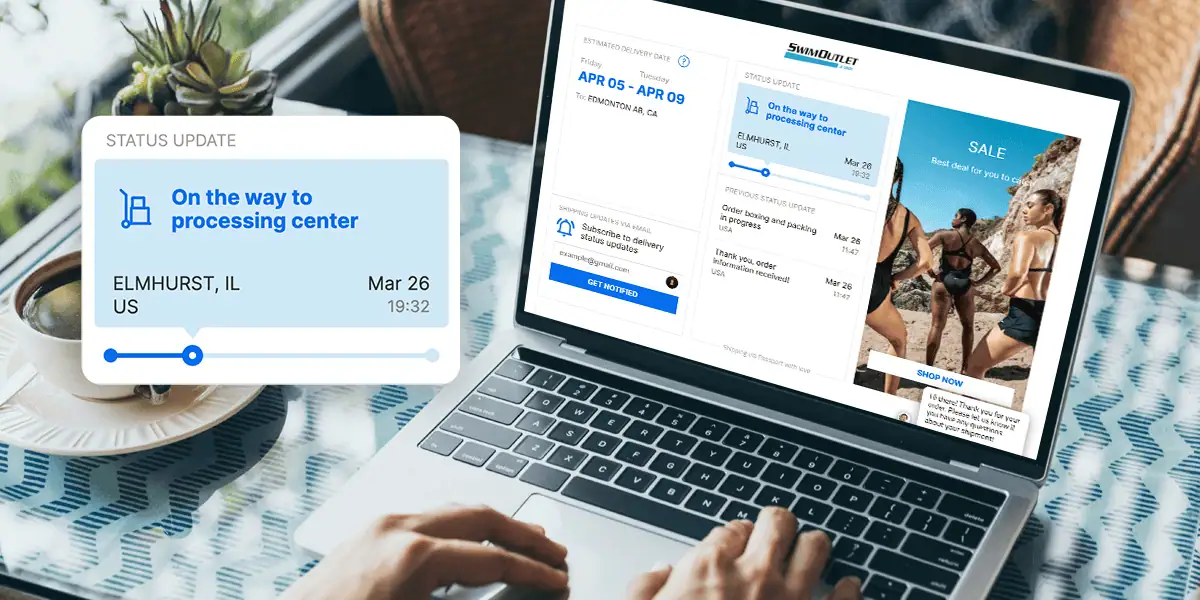
In-country fulfillment can improve customer experience by enabling faster domestic delivery, more predictable delivery timelines, easier returns, quicker exchanges or refunds, and fewer customs-related delays after checkout.
Is in-country fulfillment only useful because of de minimis changes?
No. De minimis changes are one reason brands evaluate in-country fulfillment, but the model also supports faster delivery, lower last-mile costs, easier returns, marketplace access, B2B expansion, and a more scalable international growth strategy.
How does Passport help brands adapt after de minimis?
Passport helps brands evaluate post-de minimis fulfillment options and launch in-country enablement in key markets. Support can include importation, customs coordination, warehousing, fulfillment, returns, Merchant of Record services, tax support, and marketplace enablement.