

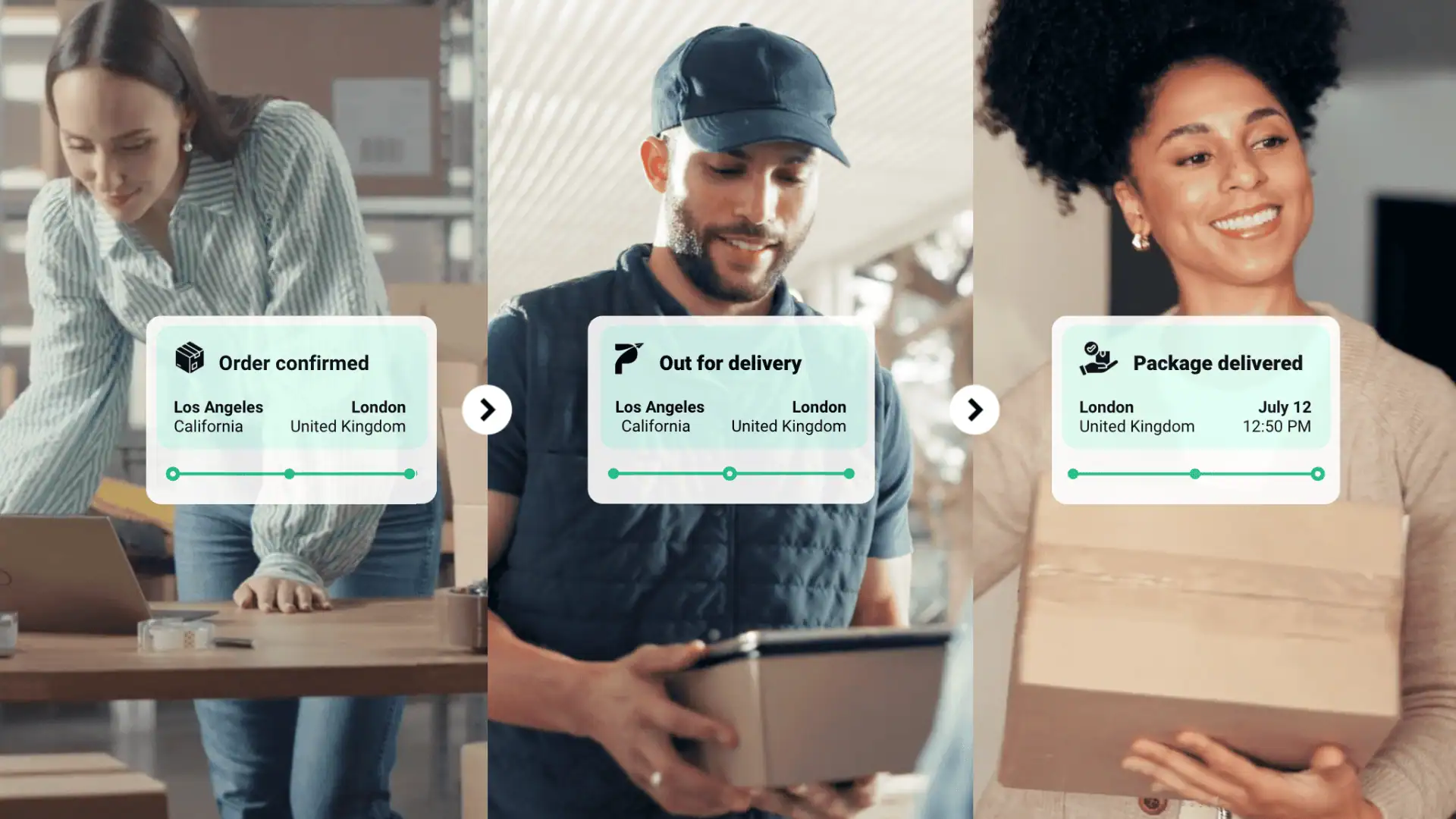



Cross-border ecommerce continues to be one of the largest growth opportunities for direct-to-consumer brands. Consumers are increasingly comfortable purchasing from international retailers, creating new revenue opportunities well beyond domestic markets.
At the same time, selling internationally has become more complex. Brands must navigate customs requirements, duties and taxes, localization expectations, delivery performance, and returns logistics across multiple markets. Customers also expect a seamless shopping experience regardless of where they are located.
As a result, evaluating shipping providers is no longer just about finding the right carrier. Brands increasingly need partners that can support shipping, compliance, localization, and the overall international customer experience.
This guide explores what modern cross-border ecommerce solutions look like in 2026, the capabilities brands should evaluate, and when it makes sense to move beyond a carrier-only approach.
What Are Cross-Border Ecommerce Solutions (And Why the Definition Changed in 2026)
A few years ago, a cross-border ecommerce solution often meant little more than a carrier with international delivery capabilities. Today, that definition has expanded significantly.
Modern cross-border ecommerce solutions provide the operational infrastructure brands need to sell internationally in a compliant and customer-friendly way. This typically includes international shipping, duties and tax management, customs support, and localization tools that help brands deliver a consistent experience across markets.
As international ecommerce has matured, brands have realized that shipping is only one part of a successful cross-border strategy. The ability to provide transparent pricing, meet local customer expectations, navigate regulatory requirements, and streamline operations across multiple countries has become equally important.
For growing brands, the right cross-border solution isn’t just a logistics provider – it’s a partner that helps support international expansion at scale.
Cross-Border Shipping vs. International Ecommerce Solutions: Main Differences
We see these terms used interchangeably all the time, but understanding the difference is important when evaluating providers.
Cross-border Shipping Companies:
These companies focus primarily on moving parcels across borders. They typically provide carrier rates, tracking, customs support, and last-mile delivery services. While some providers offer additional tools and services, their primary focus remains transportation and logistics.
International Ecommerce Solutions:
These solutions take a broader approach. Shipping is one component, but they also help brands manage duties and taxes, localization, checkout experiences, compliance, returns, and other aspects of the international customer journey. Rather than simply delivering a package, they help brands create a seamless buying experience for customers in global markets.
For brands that are just beginning to test international demand, a carrier relationship may be enough. As international revenue grows, however, many brands find they need additional infrastructure to handle compliance requirements, improve conversion rates, and streamline operations across multiple markets.
The Cross-Border Opportunity for Growing Brands
Cross-border shopping has become a mainstream purchasing behavior around the world. Today, 59% of global online shoppers buy from international retailers, with 35% doing so every month. This means international demand already exists; Customers are actively looking beyond their home markets to discover and purchase products.
For DTC brands, cross-border expansion represents an opportunity to reach new customers, diversify revenue streams, and unlock growth beyond domestic markets. Rather than relying solely on a single market, brands can build a global customer base and expand into regions where demand for their products already exists. Many brands already have international traffic and customers today but aren’t fully capturing that demand because the shopping experience isn’t optimized for those markets.
For example, Passport customer Ridge scaled from little to no international revenue into an eight-figure international business.

The 4 Capabilities Every Cross-Border Ecommerce Solution Must Have in 2026
Choosing a cross-border ecommerce solution involves much more than evaluating shipping rates and delivery times. The strongest solutions help brands manage the entire international customer experience from shipping and compliance to localization and returns.
As you evaluate providers, here are five key capabilities to look for.
1. International Shipping and Carrier Network
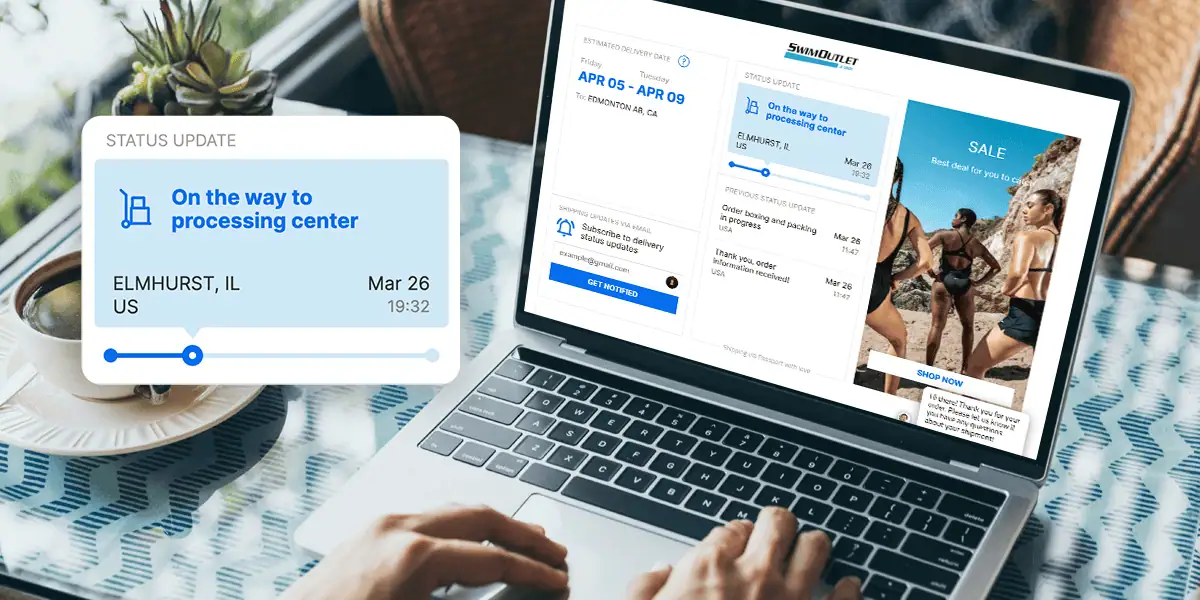
Reliable shipping is the foundation of any cross-border ecommerce strategy, but not all solutions deliver the same level of performance. Brands should evaluate delivery speed, reliability, tracking visibility, and how well a provider supports the markets where their customers are located.
The best solutions offer reliable transit times, strong delivery performance, shipment visibility, and the flexibility to adapt when disruptions occur. These factors can have a direct impact on customer satisfaction, repeat purchases, and overall international growth.
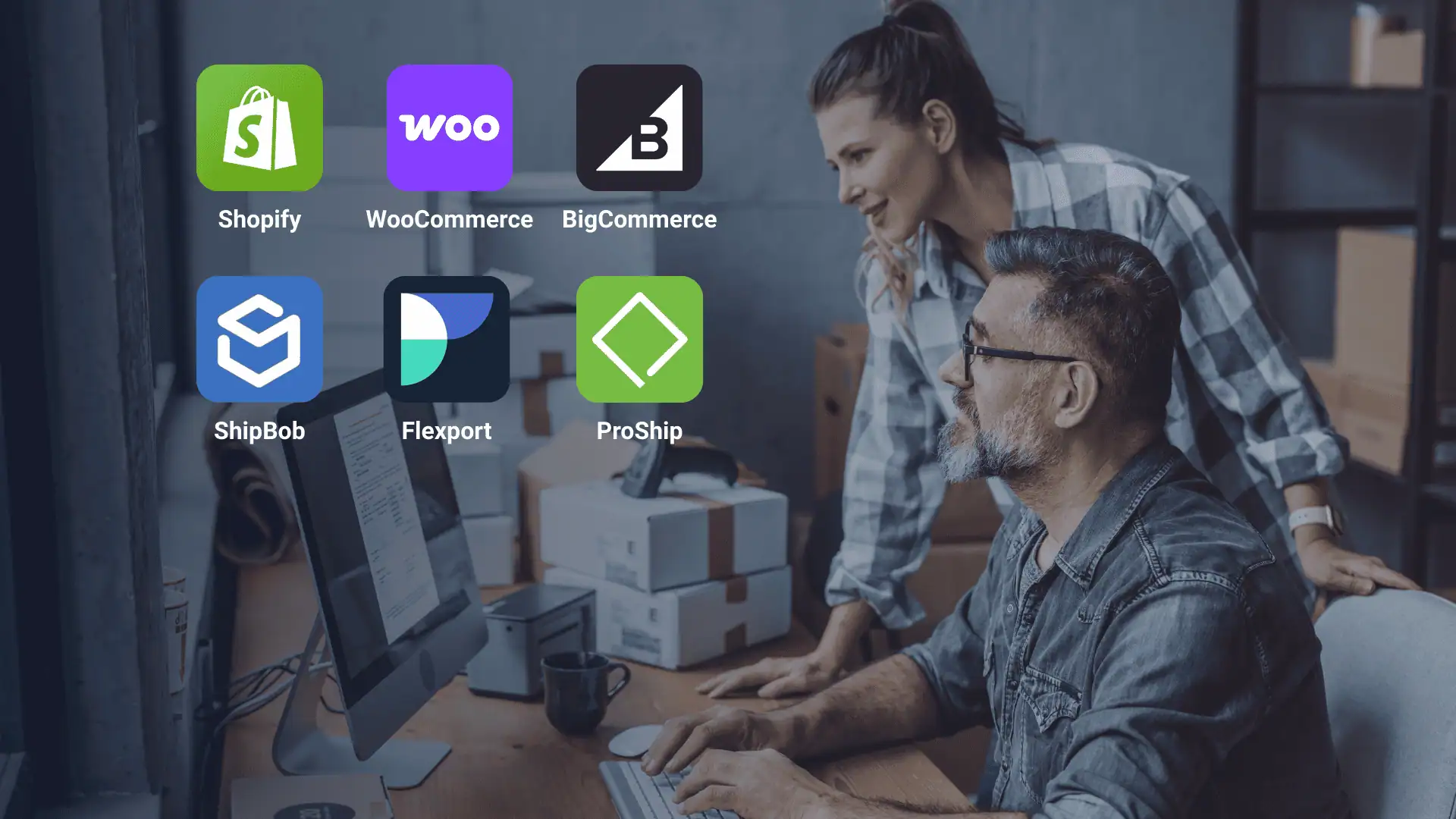
As an example, during the 2024 Canada Post strike, ShipBob maintained 92–95% operational capacity and continued supporting merchants by leveraging alternative delivery options through Passport. The ability to adapt during disruptions helped ShipBob continue serving customers while expanding its Canadian operations by 40%.
“Passport has allowed us to expand our capacity and also remain competitive in the rates that we offer our merchants. We are continuing to grow….we’re physically investing in our footprint. Canada is here to stay for us.”
— Kevin Swearingen, Sr. Manager of Transportation at ShipBob
As international demand grows, shipping performance becomes more than an operational concern, it becomes a competitive advantage.
2. Duties, Taxes, and Customs Compliance
One of the most important capabilities in a cross-border ecommerce solution is the ability to accurately calculate and manage duties, taxes, and other import-related costs. Customers increasingly expect to see the full landed cost of an order before they complete their purchase, rather than being surprised by additional charges at delivery.
The right solution should help brands calculate duties and taxes at checkout, support Delivered Duty Paid (DDP) experiences, simplify customs processes across multiple markets, and ensure the information needed for customs declarations and product classification is handled accurately.
As brands expand internationally, they may also need to navigate VAT, GST, and other market-specific tax requirements. Some providers offer additional compliance support, including Seller of Record (SOR) services, to help simplify these obligations and reduce operational complexity.

Ultimately, the goal is to make international purchasing as predictable and seamless as possible for both the brand and the customer.
4. Localization: Currency, Language, and Payment Methods
Localization can have a significant impact on international conversion rates. Customers are more likely to complete a purchase when prices are displayed in their local currency, content is tailored to their market, and checkout supports their preferred payment methods.
While credit cards remain important, many consumers around the world prefer local payment options such as iDEAL in the Netherlands, BLIK in Poland, PayPay in Japan, and other region-specific methods. In many markets, supporting these payment methods isn’t just a convenience, it’s an expectation.
Brands often underestimate the role localization plays in international performance. Low conversion rates are not always a demand problem; they can be a signal that the shopping experience isn’t aligned with local customer expectations.
The best cross-border solutions help brands deliver localized experiences at scale without the complexity of managing separate storefronts or systems for every market.
5. Returns Management
Returns are one of the most overlooked aspects of cross-border ecommerce. While brands often focus on getting products to customers, the post-purchase experience can have an equally significant impact on customer satisfaction, loyalty, and profitability.
An effective cross-border solution should make returns simple for customers while helping brands manage reverse logistics efficiently. Local return options, clear return processes, and streamlined workflows can reduce friction for customers and help brands control costs.
A poor returns experience can discourage repeat purchases and create unnecessary complexity for both customers and support teams. As international sales grow, having a scalable approach to returns becomes an important part of delivering a consistent customer experience across markets.
Biggest Challenges When Going Cross-Border
While the opportunity is significant, international expansion comes with challenges. The most successful brands are often the ones that identify and address these obstacles early as they scale into new markets.
1. Unexpected Duties, Taxes, and Landed Costs
One of the most common friction points in cross-border ecommerce is cost transparency. When customers encounter unexpected duties, taxes, or fees after placing an order, it can lead to abandoned carts, refused deliveries, and a poor overall experience.
For brands, accurately calculating landed costs across multiple markets can be complex, especially as regulations and requirements evolve. Providing transparent pricing upfront helps create a more predictable experience for customers while protecting margins.
2. Operational Complexity Across Markets
Every market has its own shipping requirements, customs processes, tax considerations, and customer expectations. As brands expand internationally, managing these differences across multiple countries can quickly become difficult without the right systems and partners in place.

Challenges such as customs delays, incomplete product information, and inconsistent shipping performance can create operational inefficiencies and impact the customer experience. The more markets a brand enters, the more important it becomes to have scalable processes that support international growth.
3. Localization Gaps That Limit Conversion
Many brands invest heavily in acquiring international customers but fail to create an experience that feels local once those shoppers arrive on site.
Displaying the wrong currency, offering limited payment methods, providing English-only content, or creating a checkout experience that doesn’t align with local expectations can all reduce conversion rates. In many cases, weak international performance is less about demand and more about the customer experience.
Brands that consistently localize the shopping experience are often better positioned to convert international traffic into long-term customers.

How Passport Simplifies Cross-Border Ecommerce for DTC Brands
Passport helps DTC brands grow internationally without the complexity of managing multiple vendors, systems, and processes across markets.
Our solution brings together international shipping, duties and tax management, localization, and returns into a single cross-border solution. Brands can provide transparent landed costs at checkout, offer localized experiences for shoppers around the world, and deliver a seamless post-purchase experience across key markets.
As brands expand internationally, Passport helps simplify the operational challenges that often come with growth – from navigating compliance requirements and managing international logistics to improving conversion rates and customer satisfaction.
Instead of piecing together a cross-border strategy on your own, Passport provides the infrastructure and expertise needed to help brands scale globally with confidence.
See how Passport can help you reach your global potential.
FAQ: Cross-Border Ecommerce Solutions
What’s the best cross-border ecommerce solution for DTC brands?
The best cross-border ecommerce solution is one that supports the full international customer journey—from shipping and duties management to localization and returns. The right solution depends on your target markets, operational requirements, and growth goals. As international revenue grows, many brands move beyond a carrier-only approach and adopt a solution like Passport that helps manage the complexities of selling globally.
What’s the difference between a cross-border shipping provider and a cross-border ecommerce solution?
A cross-border shipping provider focuses primarily on moving parcels across borders. A cross-border ecommerce solution goes beyond shipping to help brands manage duties and taxes, localization, compliance, returns, and other aspects of the international customer experience.
What features should I look for in a cross-border ecommerce solution?
The best cross-border ecommerce solutions help brands manage the entire international customer journey. Key capabilities include reliable international shipping, duties and tax management, localization, and returns support. Together, these capabilities help brands deliver a seamless experience across global markets.
How do I know if my brand is ready for international expansion?
Many brands discover international demand before launching a dedicated cross-border strategy. Website traffic from international markets, customer inquiries about international shipping, and engagement from international audiences can all be signs that it’s time to invest in your international growth strategy.
When should a brand invest in a cross-border ecommerce solution?
Many brands begin evaluating cross-border solutions once international sales become a meaningful source of revenue or when operational complexity starts increasing across multiple markets. Signs it may be time to invest include growing international demand, low international conversion rates, challenges managing duties and taxes, or increasing customer support issues related to shipping and delivery.
Can I manage cross-border ecommerce with multiple vendors?
Many brands start with a combination of carriers, technology providers, and regional partners. As international sales grow, however, managing multiple vendors can increase operational complexity and create inconsistencies across markets. A unified cross-border solution can help simplify operations and create a more consistent customer experience.

Authored by Casey Bright
VP of Marketing | Passport
Casey Bright, an accomplished marketing leader with 15+ years of experience, specializes in brand and demand building for B2B and B2C global companies. Proficient in go-to-market, inbound, and demand generation strategy, she collaborates with sales, product, and RevOps teams to fuel revenue growth. Previously at Flock Freight, Casey achieved over 3x acquisition growth. Her diverse experience includes roles at Coyote Logistics, USG, and agency work for global brands like John Deere.