
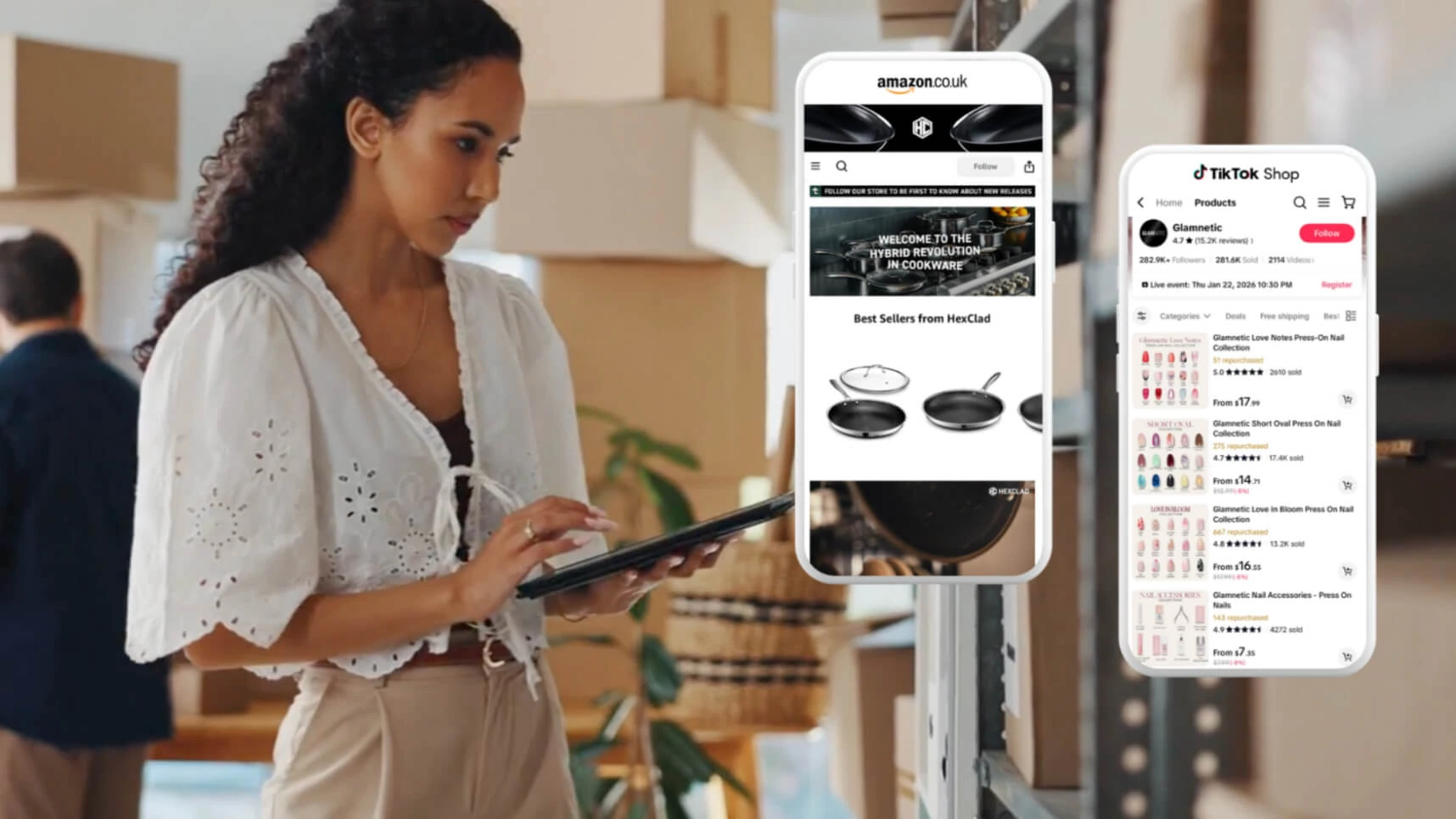


The days when international expansion was reserved for enterprise brands are over. Today, even small ecommerce businesses can reach customers around the world, often without adding significant staff or infrastructure.
Cross-border shipping has become an accessible fulfillment strategy for brands of all sizes. While the opportunities for growth and diversification are substantial, going global also comes with operational, logistical, and customer experience challenges that aren’t always obvious at first.
Whether you’re preparing for your first international launch or looking to optimize an existing global strategy, this guide will help you navigate the essentials of cross-border shipping.
In this guide, we’ll cover:
- How international shipping works (and what to expect)
- The core components of a cross-border delivery
- How to create a positive international customer experience
- The three primary cross-border shipping models
- Five practical steps for launching into new markets
How Cross-Border Shipping Works
If your business has only fulfilled domestic orders, international shipping can feel significantly more complex. Cross-border shipping is the process of moving goods from a warehouse in one country to a customer in another, but it involves far more than simply extending transit distance.
In addition to standard shipping requirements, international orders must comply with customs regulations and import laws in the destination country. That means navigating new procedures, documentation requirements, taxes, and carrier networks.
Here are some of the key differences brands should expect when shipping internationally:
- Customs clearance: Each international shipment is reviewed by customs authorities before entering its destination country. When documentation is accurate and complete, this process is usually straightforward. However, even minor errors can result in customs holds, delays, additional fees, or rejected shipments.
- Additional fees and taxes: Cross-border shipments are subject to a wider range of costs than domestic orders, including duties, tariffs, and value-added tax (VAT). These charges vary based on the destination country, product category, declared value, and applicable trade agreements.
- Longer and less predictable delivery timelines: International deliveries typically take longer than domestic shipments due to customs processing, transportation handoffs, and varying regional infrastructure. Delivery times can also fluctuate depending on the countries involved, shipping method, and product type.
- Multi-carrier handoffs: Many cross-border shipments involve multiple logistics providers before reaching the customer. A package may move through local carriers, international freight providers, customs brokers, and last-mile delivery partners along the way.
While these handoffs add complexity and increase the potential for disruption, the right cross-border shipping model can help simplify operations and reduce risk.
Essential Cross-Border Shipping Documents
Efficient international shipping depends heavily on accurate documentation. The following documents are commonly required for cross-border deliveries:
- Commercial invoice – A bill of sale that outlines the buyer, seller, products, quantities, and declared values. Customs authorities use this document to verify ownership and assess duties and taxes.
- Customs declaration – A legal document that details the shipment contents, transaction information, and product classifications. Customs officials use it to confirm compliance with import regulations and calculate applicable fees.
- Packing list – A detailed summary of the shipment’s contents, dimensions, and packaging configuration. This document helps support customs inspections, transportation planning, and inventory verification.
- Certificate of origin – An official document identifying where the goods were manufactured or produced. Customs agencies use certificates of origin to determine tariff eligibility and apply country-specific trade regulations.
Making International Shipping Manageable
International expansion does come with a learning curve, especially for businesses without prior cross-border experience. Fortunately, modern cross-border shipping solutions can help simplify everything from customs compliance to tax calculation and carrier management.
With the right partners and operational model, businesses of all sizes can successfully reach customers around the world.

The Core Components of Cross-Border Shipping
Cross-border shipping can seem overwhelming at first, but most international logistics operations can be broken down into three core areas: transit, landed costs, and compliance.
Understanding these fundamentals makes it much easier to evaluate shipping models, control costs, and scale internationally with confidence.
1. Transit
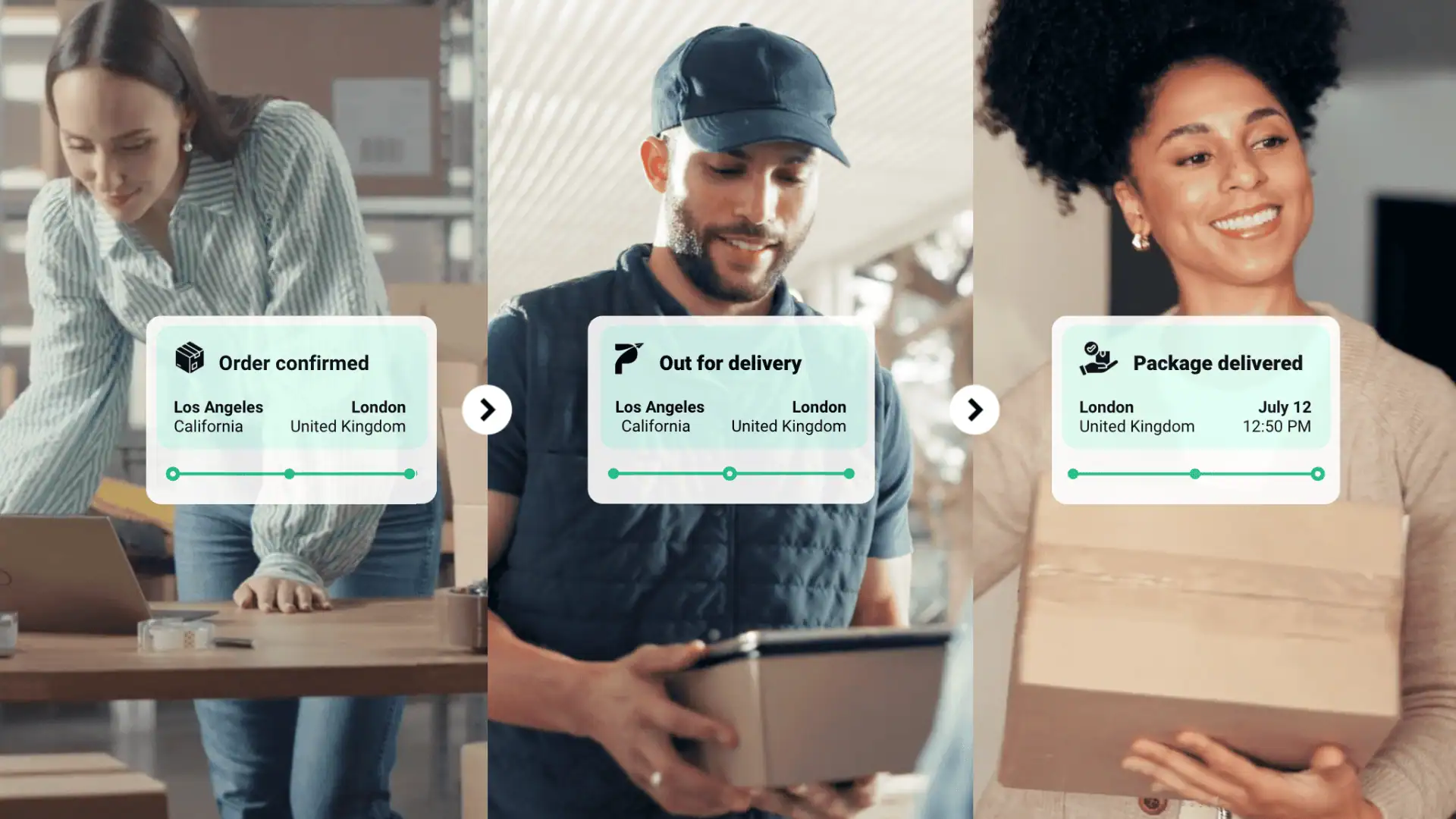
At a high level, international shipping follows the same basic transportation flow as domestic delivery, just with additional checkpoints and coordination involved.
Most cross-border shipments include three stages:
- First mile – The shipment moves from a warehouse or fulfillment center to the origin carrier or export facility, where it begins its international journey.
- Middle mile – After export clearance, the package is transported between countries (typically by air, ocean, rail, or long-haul ground transportation) to an import facility in the destination market.
- Last mile – Once the shipment clears customs in the destination country, it moves through the local delivery network and ultimately reaches the customer or fulfillment center.
The biggest difference between domestic and international shipping is coordination. Many domestic carriers only operate within limited regions, which means cross-border deliveries often require multiple logistics providers working together across the delivery journey.
Fortunately, modern cross-border shipping solutions can simplify this process by consolidating carrier management and streamlining international fulfillment operations.
2. Landed Costs
Landed cost refers to the total cost required to deliver a product to the end customer. This includes:
- Product cost
- Shipping and transportation fees
- Duties and tariffs
- Taxes such as VAT or GST
- Insurance and handling fees
- Customs brokerage and related charges
Understanding landed costs is essential for maintaining healthy margins and building a sustainable international pricing strategy. These costs influence everything from product pricing and shipping options to market selection and profitability forecasting.
Because landed costs vary by country, product classification, and shipping method, many businesses rely on automated landed cost calculators to improve accuracy and reduce manual work.
When calculated correctly, landed costs help businesses scale internationally with greater predictability and fewer surprises.
3. Compliance
Compliance is often one of the most challenging aspects of cross-border shipping.
Every destination country has its own import regulations, documentation requirements, restricted product categories, tax rules, and labeling standards. In many cases, compliance obligations also vary by product type and industry.
Beyond shipping requirements, businesses may also need to ensure that their products, packaging, and customer communications meet local legal and regulatory standards.
Compliance failures can lead to delayed shipments, additional fees, customs holds, rejected imports, or legal penalties.
While some regions, such as the European Union, offer more standardized frameworks across multiple markets, international expansion generally introduces new compliance requirements in every country you enter.
To reduce operational complexity, many businesses partner with third-party providers or Seller of Record (SOR) services that help manage tax registration, import compliance, and local regulatory obligations on their behalf.
Cross-Border Shipping from the Customer’s Perspective
So far, we’ve focused primarily on the operational side of cross-border shipping. But successful international expansion depends just as much on the customer experience as it does on logistics.
International shoppers are often asked to accept higher shipping costs, longer delivery timelines, and additional import requirements. To remain competitive, businesses need to offset that friction with a buying experience that feels clear, trustworthy, and convenient.
One of the most effective ways to achieve this is through localization.
Localization is the process of adapting your ecommerce experience to a customer’s market. This can include displaying:
- Local currencies
- Preferred languages
- Region-specific product catalogs
- Market-appropriate pricing
- Estimated delivery timelines
- Local payment methods
These adjustments help international shoppers feel more confident throughout the purchasing process and reduce friction at checkout.
A well-localized storefront also improves transparency around duties, taxes, shipping expectations, and product availability — all of which can have a major impact on conversion rates and customer satisfaction in cross-border ecommerce.
While localization may seem like a small detail, it often plays a significant role in building trust with international customers and creating a seamless global shopping experience.
Cross-Border Shipping Models for Ecommerce Brands
Now that we’ve covered the fundamentals of cross-border commerce, let’s look at the operational models businesses use to fulfill international orders.
While there are countless ways to move products across borders, most cross-border shipping strategies fall into three broad categories: DIY operations, carrier-led solutions, and end-to-end cross-border platforms.
Each model offers different tradeoffs in terms of cost, complexity, scalability, and operational control.
1. The DIY Approach
The most hands-on option is building and managing your own cross-border shipping operation.
Large enterprises may develop dedicated logistics infrastructure and internal compliance teams, but most businesses that pursue this route rely on a mix of carriers, brokers, tax advisors, and third-party service providers to support international fulfillment.
This approach typically involves:
- Managing and optimizing shipping routes internally
- Comparing domestic, international, and destination-country carriers
- Coordinating customs brokers and logistics partners
- Handling duties, taxes, and compliance requirements
- Managing regulatory and documentation workflows
While this model offers maximum control and flexibility, it also introduces significant operational complexity — especially as international order volume grows.
For most ecommerce brands, managing cross-border logistics entirely in-house can become resource-intensive and difficult to scale efficiently.
2. Carrier-Led Cross-Border Shipping Services
Many ecommerce businesses simplify international fulfillment by partnering with a carrier or logistics provider that offers cross-border shipping services.
In this model, the provider helps streamline transportation, customs processing, and international delivery operations through a more centralized shipping network.
A strong carrier-led solution may offer features such as:
- Transparent shipping rates and delivery estimates
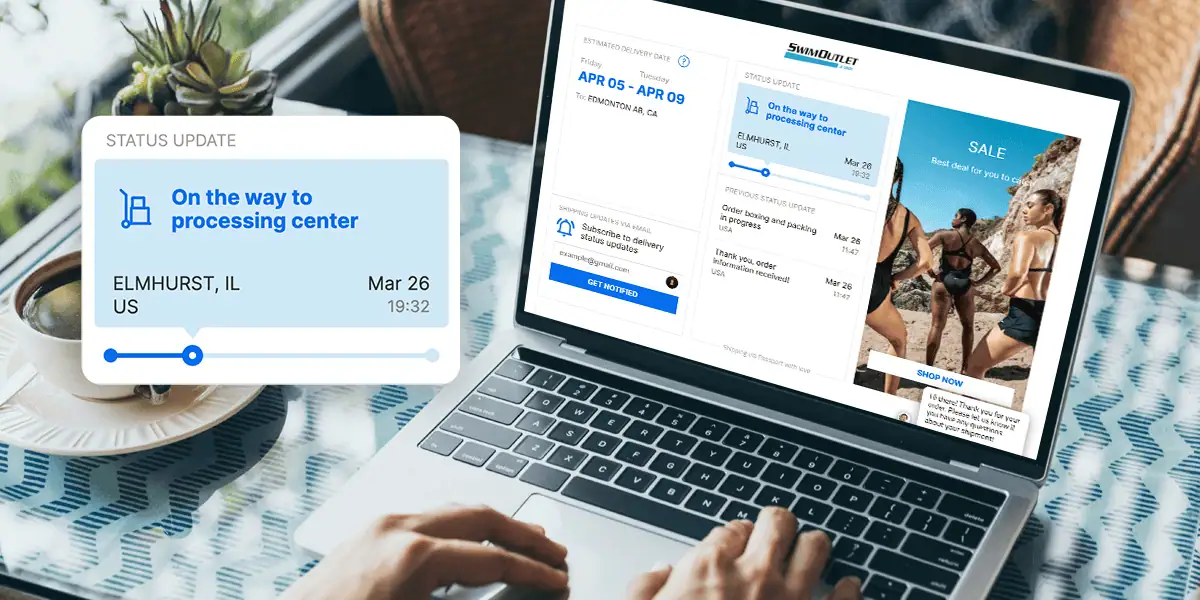
- International order tracking
- Customs documentation support
- Duty and tax collection options
- Consolidated carrier management
This approach can significantly reduce logistical complexity while remaining relatively cost-effective for growing ecommerce brands.
However, carrier-led solutions are typically focused on transportation and delivery operations. Businesses may still need to manage storefront localization, tax registration, compliance obligations, and international customer experience considerations separately.
3. End-to-End Cross-Border Solutions
End-to-end cross-border solutions combine shipping, localization, compliance, and international ecommerce enablement into a unified platform.
Rather than managing multiple vendors and disconnected systems, businesses can centralize many aspects of international selling through a single integration or technology partner.
Depending on the provider, these platforms may support:
- Storefront localization and currency conversion
- Duties and tax calculation
- Landed cost transparency
- International payment methods
- Customs and compliance support
- Cross-border shipping and tracking
- Market-specific checkout experiences
For ecommerce brands looking to scale internationally, this model can reduce operational overhead while improving the customer experience across global markets.
Because many of these capabilities would otherwise require separate tools, service providers, or internal teams, end-to-end platforms often provide a more scalable path to international growth.

Step-by-Step: How to Launch Cross-Border Ecommerce
Now that we’ve covered the fundamentals of cross-border commerce, let’s turn those concepts into an actionable expansion strategy.
Launching internationally doesn’t require rebuilding your business overnight. With the right approach, ecommerce brands can test new markets, learn quickly, and scale sustainably over time.
Step 1: Validate International Demand
Before choosing how to ship internationally, determine where demand already exists for your products.
Start by analyzing signals such as:
- Website traffic by country
- International social media engagement
- Customer inquiries from abroad
- Regional purchasing trends and product demand
For businesses entering international markets for the first time, it’s usually best to focus on a single high-potential region rather than launching globally all at once.
Expanding into multiple markets simultaneously can create operational strain, especially when managing localization, compliance, shipping expectations, and customer support across different regions.
Starting with one market allows your team to learn, refine processes, and scale more strategically.
Step 2: Choose the Right Shipping Model
Select the cross-border shipping model that best fits your business goals, operational resources, and customer experience priorities.
Whether you manage logistics internally or partner with a provider, make sure you have a clear plan for shipping, landed costs, and compliance before launching internationally.
Step 3: Start with Cross-Border Fulfillment
For many ecommerce brands, cross-border shipping is the fastest and most accessible way to begin serving international customers.
While in-country fulfillment can reduce delivery times at scale, it also requires significantly greater upfront investment in inventory placement, warehousing, operations, and legal infrastructure.
Cross-border fulfillment allows businesses to:
- Enter new markets more quickly
- Test international demand with lower risk
- Avoid major upfront operational costs
- Learn before committing to localized infrastructure
For brands in the early stages of international expansion, this approach often provides the flexibility needed to validate markets before scaling further.
Step 4: Optimize Pricing & Customer Experience
Every market comes with different customer expectations, purchasing behaviors, and competitive pressures. What works well domestically may not always translate internationally.
As you expand, pay close attention to how customers respond to your pricing, shipping experience, localization, and checkout flow. Small adjustments to areas like currency display, delivery transparency, payment methods, or product assortment can significantly improve conversion rates and customer satisfaction.
During the early stages of expansion, regularly monitor customer feedback, reviews, and performance metrics to identify opportunities for improvement and better tailor the experience to each market.
Step 5: Scale What Works
As your international sales grow, use performance data to guide future investment.
Continue expanding the strategies, markets, and customer experiences that produce strong results, while refining or reducing efforts that underperform.
Over time, sustained international demand may justify transitioning from cross-border fulfillment to localized infrastructure. At sufficient scale, in-country fulfillment can help reduce shipping costs, improve delivery speed, and streamline certain tax and import processes.
Successful cross-border expansion is rarely about launching everywhere at once. More often, it’s the result of testing strategically, learning continuously, and scaling intentionally over time.
For a more in-depth look at international fulfillment strategies, check out our guide: Cross-Border Ecommerce vs. In-Country Fulfillment: Which Is Best for Your Brand?.
FAQs: Cross-Border Shipping Services & Solutions
Find answers to common questions from ecommerce brands on the way to going global.
What is cross-border shipping?
Cross-border shipping is an order fulfillment model that delivers goods from one country to customers in another. Unlike domestic shipping, it involves customs clearance, international taxes and duties, and country-specific regulations.
What are the biggest challenges in cross-border shipping?
The most common challenges include customs compliance, landed cost management, delivery coordination, and maintaining a strong international customer experience.
Many ecommerce brands simplify these complexities by partnering with cross-border management providers.
Do I need to set up a local entity to sell internationally?
Not always. Some countries require businesses to register locally after reaching certain sales or tax thresholds, often referred to as permanent establishment (PE) requirements.
However, many ecommerce brands use solutions such as Seller of Record (SOR) services to help manage compliance and reduce operational burden.
Does cross-border shipping help power business growth?
Yes, when done correctly. International shipping can put you in touch with new markets, increasing and diversifying your revenue sources. However, ill-prepared expansions can cost more than they earn.
What are the best cross-border shipping service providers?
The best provider depends on your needs. For example, Passport specializes in direct-to-consumer ecommerce brands with small- to medium-sized products.
Do I have to pay customs to send an order internationally?
In many cases, yes. International shipments may be subject to duties, taxes, VAT, and customs processing fees depending on the destination country and product category.
However, businesses can often reduce surprises at delivery by using transparent landed cost calculations and prepaid duty options.
What is the cheapest way to ship internationally?
Postal services are often the lowest-cost international shipping option, particularly for lightweight packages. However, they may also come with slower delivery times, limited tracking visibility, and fewer customer experience features compared to premium cross-border shipping solutions.

Authored by Casey Bright
VP of Marketing | Passport
Casey Bright, an accomplished marketing leader with 15+ years of experience, specializes in brand and demand building for B2B and B2C global companies. Proficient in go-to-market, inbound, and demand generation strategy, she collaborates with sales, product, and RevOps teams to fuel revenue growth. Previously at Flock Freight, Casey achieved over 3x acquisition growth. Her diverse experience includes roles at Coyote Logistics, USG, and agency work for global brands like John Deere.